Live Demo :

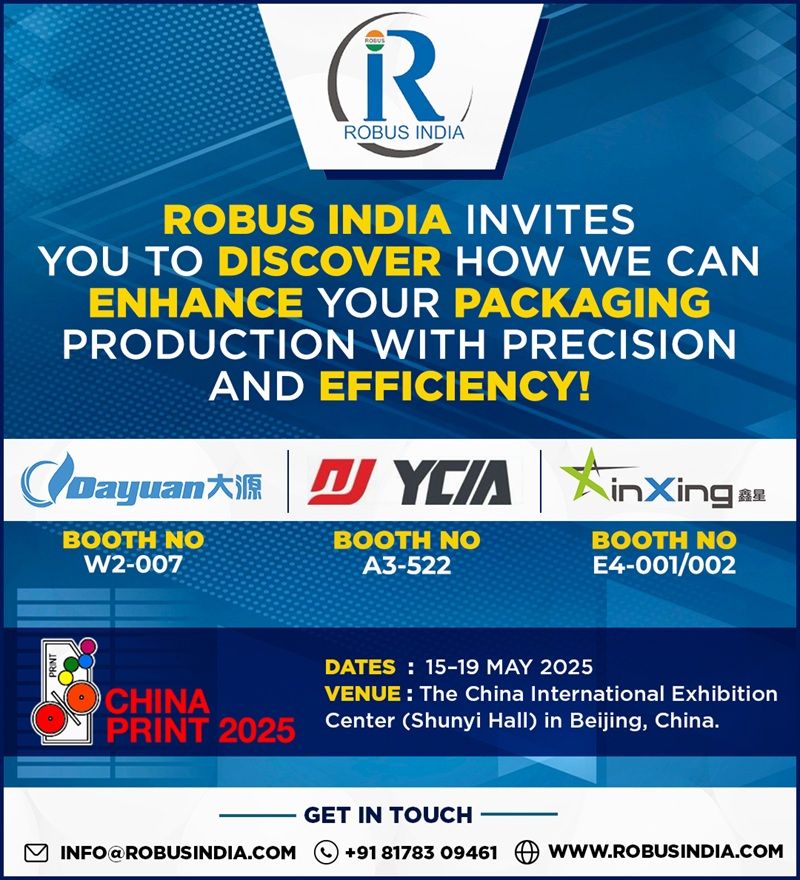
ROBUS INDIA at CHINA PRINT 2025 | Discover how we enhance your packaging production with precision and efficiency! | Meet us at Booths: W2-007 (Dayuan), A3-522 (YCIA), E4-001/002 (Xinxing) | 15–19 May 2025 | China International Exhibition Center (Shunyi Hall), Beijing | [email protected] | +91 81783 09461 | www.robusindia.com

Carton Box Making Machine: How It Improves Efficiency in the Modern Packaging Industry

Carton Box Making Machine - Robus India

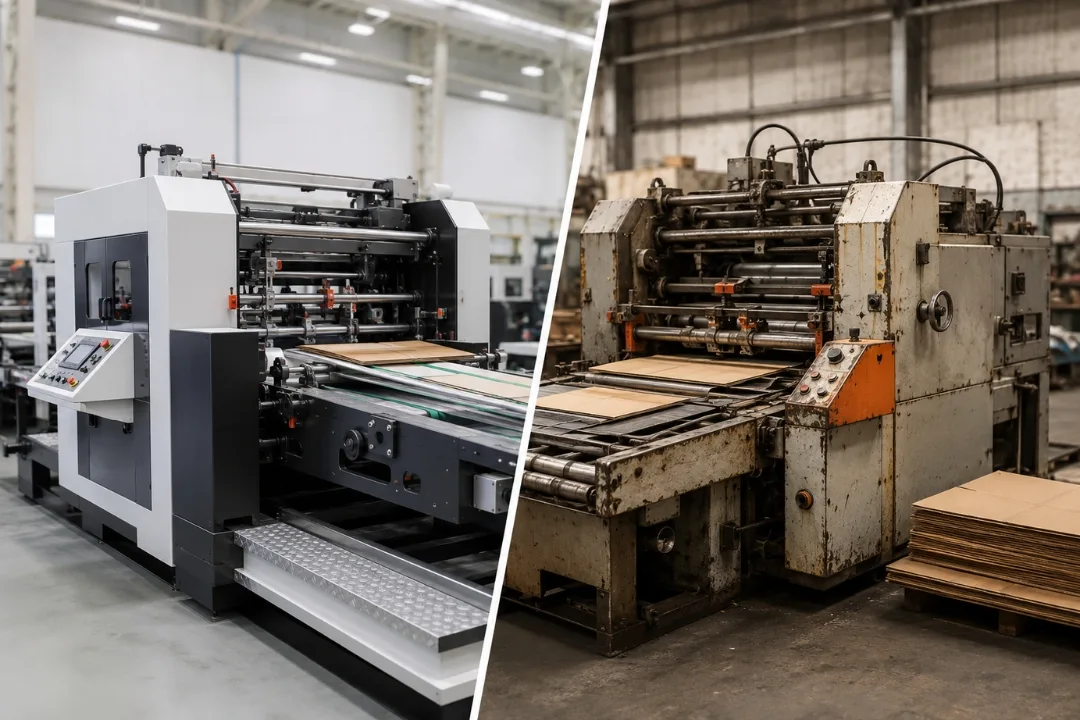
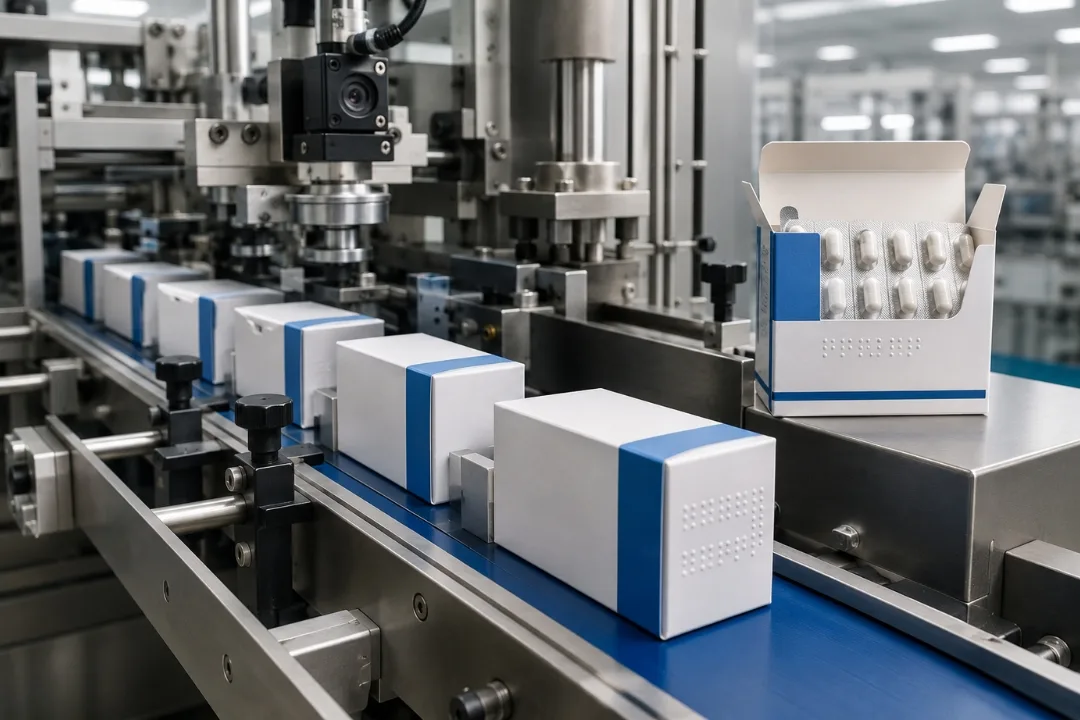
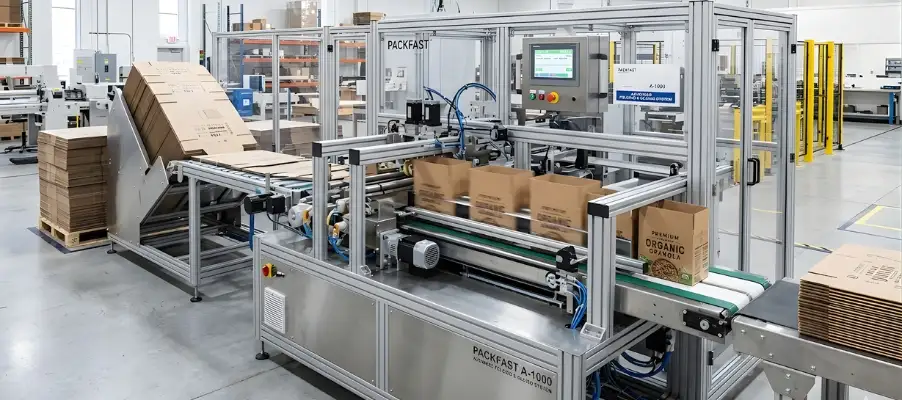
In today’s fast-moving packaging industry, speed, precision, and consistency are non-negotiable. Whether you’re producing pharmaceutical cartons, e-commerce boxes, or food packaging, manual processes can’t keep up with modern demand. A carton box making machine automates the entire carton production process – from die cutting and folding to gluing and finishing – helping Indian manufacturers reduce waste, increase output, and stay competitive.   What Is a Carton Box Making Machine? A carton box-making machine is industrial equipment that converts flat sheets of paperboard or corrugated material into finished carton boxes. It handles multiple production stages in one continuous, automated workflow. Modern machines cover: Cutting and creasing – Shaping the board to exact dimensions Folding – Bending along pre-scored lines for a clean, precise box form Gluing – Applying adhesive to seal flaps firmly and consistently Finishing – Lamination, hot foil stamping, or Braille embossing where required The result is a high-speed, low-waste production line that a small team can operate with minimal supervision.   How Carton Box Making Machines Improve Packaging Efficiency   1. Dramatically Higher Production Speed Manual carton assembly is slow and inconsistent. A modern automatic folder gluer machine can process hundreds of cartons per minute, compared to a fraction of that output from a manual team. For manufacturers handling large orders – pharma, FMCG, food and beverage – this speed difference directly impacts profitability and delivery timelines.   2. Consistent Quality Across Every Box Human error during folding, glueing, or cutting results in rejects and rework. Automated carton machines use servo-controlled systems to ensure: Uniform crease depth on every sheet Precise glue application with zero overflow Consistent dimensional accuracy across thousands of boxes Less rework means lower material waste and higher throughput.   3. Reduced Labour Dependency One of the biggest operational challenges for Indian packaging businesses is labour availability and cost. A single automatic carton box making machine typically requires just one to two operators, replacing a team of five to ten manual workers. This isn’t just a cost saving – it also reduces production disruptions caused by absenteeism or labour shortages.   4. Versatility Across Box Types and Industries Modern machines handle a wide range of carton formats without lengthy changeovers: Folding cartons for pharma and cosmetics Corrugated shipping boxes for e-commerce Rigid boxes for premium packaging Braille-embossed cartons for pharmaceutical compliance Quick-change tooling and touchscreen controls mean you can switch between box sizes and styles in minutes – not hours.   5. Lower Material Waste Precision cutting and creasing systems minimise offcuts and board damage. Servo-controlled feeding ensures accurate sheet positioning in every cycle, significantly reducing the scrap rate compared to semi-automatic or manual methods. For high-volume operations, even a 2–3% reduction in material waste translates into substantial annual savings.   Types of Carton Box Making Machines Used in India Choosing the right machine depends on your production volume, box type, and level of automation required: Machine Type Best For Automation Level Automatic Folder Gluer Folding cartons – pharma, FMCG, cosmetics Fully automatic Automatic Die Cutter Custom shapes, windows, and perforations Fully automatic Flute Laminator Corrugated cartons with printed top sheets Fully automatic Film Lamination Machine Surface finishing – gloss, matte, soft-touch Fully automatic Semi-Auto Die Cutter Smaller runs, corrugated boxes Semi-automatic Hot Foil Stamper Premium packaging with foil branding Fully automatic If you’re a mid-size Indian packaging company producing 500,000+ cartons per month, a fully automatic folder gluer paired with a die cutter covers most of your production needs.   Industries in India Benefiting the Most Carton box making machines are transforming packaging operations across several high-growth Indian sectors: Pharmaceuticals – high-volume folding cartons with Braille compliance (mandatory under Indian drug regulations) E-commerce and Q-commerce – fast-turnaround corrugated boxes for platforms like Flipkart, Amazon, and Blinkit fulfilment centres Food and beverage – FSSAI-compliant printed cartons for retail shelves Cosmetics and personal care – premium rigid boxes and foil-stamped folding cartons Consumer electronics – sturdy corrugated cartons for device packaging   What to Look for When Buying a Carton Box Making Machine in India Before investing, evaluate the following: Production speed – Sheets per hour at your required box size. Maximum sheet size – Ensure it covers your largest carton format. Servo vs mechanical drive – Servo-controlled machines offer higher precision and lower energy consumption. After-sales support – Local service engineers matter more than price; downtime is expensive. Spare parts availability – Confirm parts are stocked in India, not imported on long lead times. Installation and training – A reputable manufacturer will handle site assessment, commissioning, and operator training.   Why Indian Manufacturers Are Upgrading Now India’s packaging industry is projected to grow significantly over the next five years, driven by pharmaceutical exports, the e-commerce boom, and stricter quality standards for food and drug packaging. Manufacturers who invest in automated carton box-making machinery now are positioning themselves to: Handle larger orders without proportionally increasing headcount Meet tighter quality standards demanded by large buyers and exporters Reduce per-unit production costs as volume scales The shift from semi-automatic to fully automatic machinery is no longer a luxury – it’s a competitive necessity for Indian packaging businesses that want to grow.   Frequently Asked Questions   What is the price of a carton box-making machine in India?  Pricing varies based on machine type and automation level. Entry-level semi-automatic die cutters start at a lower investment, while fully automatic folder gluers and die cutters with servo controls are priced higher. Contact a manufacturer directly for an accurate quote based on your specific box dimensions and production volume.   Which carton box making machine is best for a pharma packaging company?  Pharmaceutical manufacturers typically need an automatic folder gluer with inline Braille embossing capability, combined with a high-speed die cutter. This covers folding carton production with the regulatory compliance Indian pharma packaging requires.   How long does installation take?  For most automatic carton machines, installation and commissioning take 3 to 7 days, including operator training. A quality manufacturer will send their own engineers to your facility.   Robus India … Read more

Essential Maintenance Tips to Extend the Life of Packaging Machines

Packaging Machines

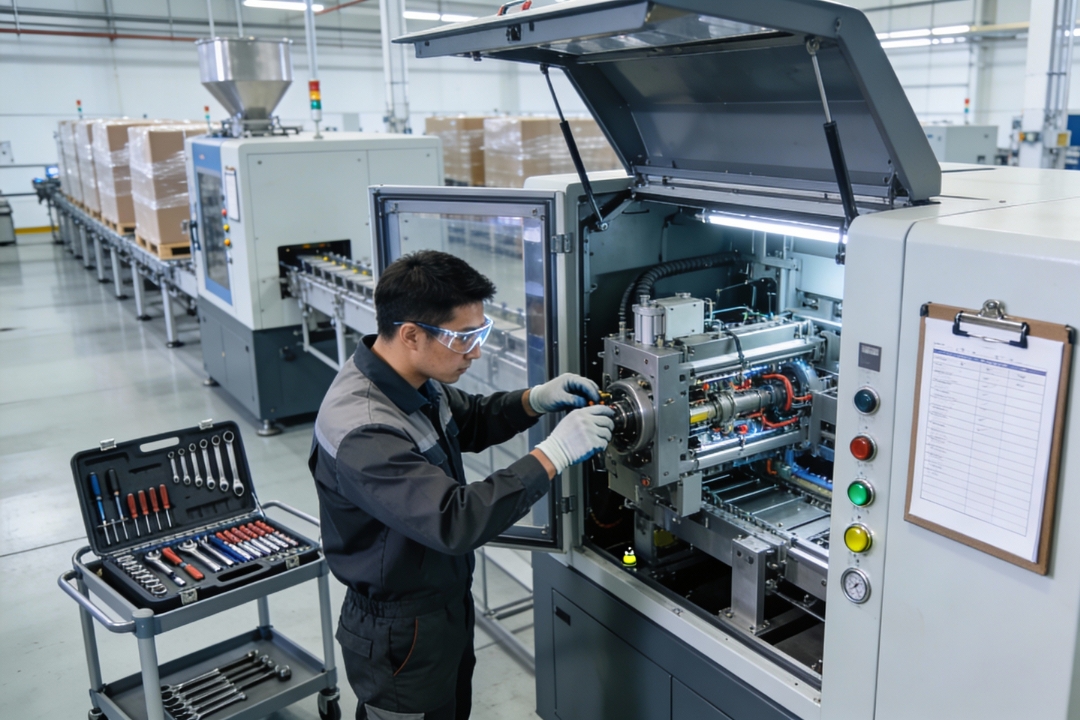
Packaging machines are very important in modern manufacturing, especially for making cartons, corrugated boxes, and post-printed materials. These machines directly affect productivity, output quality, and delivery times.  They can do things like die cutting, folder gluing, lamination, and finishing. But even the best industrial packaging machines can break down or not work as well as they should if they aren’t properly maintained.  A disciplined approach to maintenance not only reduces downtime but also extends machine life, makes them safer, and protects your investment. This guide offers useful maintenance tips based on real-world experience, designed for production environments.   Packaging Machines Require Preventive, Not Reactive Maintenance One of the most expensive mistakes manufacturers make is waiting until something breaks down before doing something. The goal of preventive maintenance is to find problems before they cause operational issues. Unplanned stoppages often lead to: Missed delivery commitments Increased scrap and rework Higher repair and replacement costs Preventive maintenance keeps packaging machines running smoothly and helps maintenance teams plan downtime, rather than dealing with emergencies.   Follow a Structured Daily, Weekly, and Monthly Maintenance Routine A well-defined maintenance schedule ensures nothing is overlooked and responsibilities are clear. Daily checks should include: Look for any loose parts or unusual noises during your inspection. Clean away dust, paper fibers, and any sticky residue you find. Check that lubrication levels are where they should be.   Weekly tasks may involve: Check the belts and chains, and make sure the feeder is properly aligned. Clean the glue systems and sensors thoroughly. Test all safety mechanisms to ensure they work correctly.   Monthly inspections should focus on: Electrical connections and control panels. Inspect wear parts, including rollers and bearings. Perform calibration and alignment checks. Documenting these actions helps identify recurring issues and supports compliance audits.   Keep Machines Clean to Avoid Hidden Wear and Failures Many people overlook the importance of cleanliness in industrial packaging. When debris builds up, it can accelerate equipment wear and reduce accuracy. Regular cleaning is especially important for: Dust affects the accuracy of cutting on die-cutting machines. Glue buildup on folder gluers can affect bond quality. Lamination machines, where leftover material can hurt rollers. A clean machine runs more smoothly, uses less energy, and maintains the quality of its output.   Use Manufacturer-Recommended Spare Parts and Lubricants Using spare parts that don’t fit or aren’t of good quality may seem like a good idea, but they often make things break down faster and put your safety at risk. Best practices include: Using genuine or manufacturer-approved spare parts Following recommended lubrication types and intervals Replacing worn components before they fail completely This method keeps important parts safe and makes sure that your packaging machines work as they should.   Train Operators to Identify Early Warning Signs Operators work with machines every day and are often the first to notice small changes. With the right training, they become a powerful tool for prevention. Common early warning signs include: Unusual noise or vibration Inconsistent feeding or alignment Glue application irregularities Sensor errors or repeated stoppages When operators report problems right away, small issues can be fixed before they become bigger.   Schedule Professional Servicing and Machine Health Audits Professional inspections add significant value, even when companies have strong practices in place. Technicians with experience can spot problems that daily operators can’t. Professional servicing typically covers: Precision calibration and alignment Performance benchmarking Software and control system checks Periodic checks of machine health help determine whether parts need to be repaired, replaced, or upgraded, which can extend the life of the equipment as a whole.   Environmental Conditions Matter More Than You Think Packaging machines are highly sensitive to the conditions under which they operate. Bad conditions can shorten parts’ lifespans and make them less accurate. Key factors to control include: Temperature and humidity levels Stable electrical supply and grounding Floor vibration and adequate spacing Maintaining the right conditions protects electronics, mechanical parts, and the finished product’s quality.   Digital Maintenance Tracking Improves Consistency Using digital logs and maintenance checklists helps people stay accountable and reduces the need to rely on memory. Benefits include: Automated reminders for servicing Clear maintenance history for audits Better coordination between teams Even basic digital tracking makes it much easier to keep up with preventive maintenance.   Conclusion To make packaging machines last longer, you don’t need to do complicated things. You just need to be consistent, disciplined, and knowledgeable. Structured routines, trained operators, real parts, and professional servicing all work together to reduce downtime and improve reliability.  Businesses get more work done, more predictable performance, and lower long-term costs when they view maintenance as a strategic investment rather than an operational burden. Well-maintained machines help build customer trust and drive long-term growth.   Frequently Asked Questions How often should packaging machines be serviced? Most industrial packaging machines work better when they are checked daily, inspected weekly, and serviced by a professional every 3 to 6 months, depending on how much they are used.   What is the most common cause of packaging machine breakdowns? Not doing preventive maintenance, allowing dust or glue residue to accumulate, and waiting too long to replace worn parts are all common causes of failure.   Can regular maintenance really extend machine life? Yes. Consistent maintenance can add several productive years to a machine’s lifecycle while reducing repair costs and unplanned downtime.

A Complete Guide to Carton Packaging Machinery

Carton Packaging Machinery

Carton packaging machinery has become a game-changer in industries where efficiency, scalability, and precision are critical. From FMCG to luxury goods, these machines not only ensure products are securely packed but also enhance their overall presentation. Let’s dive into the world of carton packaging machinery, exploring its types, benefits, and real-world applications. What is Carton Packaging Machinery? Think of carton packaging machinery as the backbone of modern packaging solutions. These machines are designed to assemble, seal, and finish carton-based packaging with incredible speed and accuracy. Whether it’s ensuring a product stays safe during transit or adding that perfect aesthetic touch, carton packaging machinery makes it all possible. Different Types of Carton Packaging Machinery If you’re planning to invest in packaging machinery, it’s essential to understand the variety of options available. Each type serves a unique purpose, and here’s a breakdown to make things easier: 1. Folder Gluer Machines These machines are the workhorses for folding and gluing cartons, making them a staple for high-volume packaging. Options: Choose between automatic or semi-automatic models based on your production scale. Best For: Industries that need consistent, high-quality folded cartons. 2. Die-Cutting Machines Want your packaging to stand out? Die-cutting machines precisely shape cardboard or paperboard into eye-catching designs. Choices: Automatic for speed or semi-automatic for cost-efficiency. Ideal For: Unique, customized packaging solutions. 3. Lamination Machines Adding a sleek, protective layer to your packaging has never been easier. Options: Film or flute laminators, depending on the finish you’re after. Where It Shines: Luxury packaging and products requiring a premium touch. 4. Hot Foil Stamping Machines Looking to make your packaging pop? Hot foil stamping adds metallic details that scream sophistication. Perfect For: Branding and products that need a high-end look. 5. Rigid Box Machines Luxury products deserve luxury packaging. These machines craft sturdy, elegant boxes. Uses: Perfect for jewelry, electronics, and premium gift items. 6. Specialized Machines From Tape Applicators to Inline Braille Rotary Embossing Machines, there’s a machine for every niche need, ensuring your packaging is as functional as it is beautiful. Why Businesses Love Carton Packaging Machinery The benefits of these machines go far beyond just packaging. Here’s why companies are making the switch: Boosts Productivity: Automating repetitive tasks means more work gets done in less time. Saves Money: Reduces dependency on manual labor and cuts long-term costs. Ensures Consistency: Uniform packaging protects your brand image. Eco-Friendly Options: Many machines now support sustainable materials, helping your business go green. Real-Life Applications Carton packaging machinery isn’t just for big factories; its versatility makes it a fit for businesses of all sizes. Here’s how different industries use it: Fast-Moving Consumer Goods (FMCG): Packages snacks, beverages, and household products securely and attractively. Pharmaceuticals: Ensures medicines meet strict packaging standards while staying tamper-proof. Luxury Goods: Elevates the unboxing experience with premium designs and materials. Keeping Your Machines in Tip-Top Shape Investing in good machinery is just the first step. Keeping it well-maintained is what guarantees long-term success. Inspect Regularly: Catch wear and tear early to avoid costly repairs. Train Your Team: Operators who understand the machinery can work faster and safer. Use Quality Materials: Great materials equal great results and longer machine life. Schedule Maintenance: Regular check-ups keep your equipment running smoothly. Wrapping Up Carton packaging machinery is much more than a tool—it’s a smart investment in your business’s future. Whether you’re focused on efficiency, aesthetics, or sustainability, the right machine can transform your packaging process. From rigid box machines for luxury items to die-cutters for creative designs, there’s a perfect solution for every need. Ready to take your packaging game to the next level? Let carton packaging machinery do the heavy lifting for you!

Looking for a Braille Machine with Standard Marburg Medium?

Kindly fill out the form below to request more information.