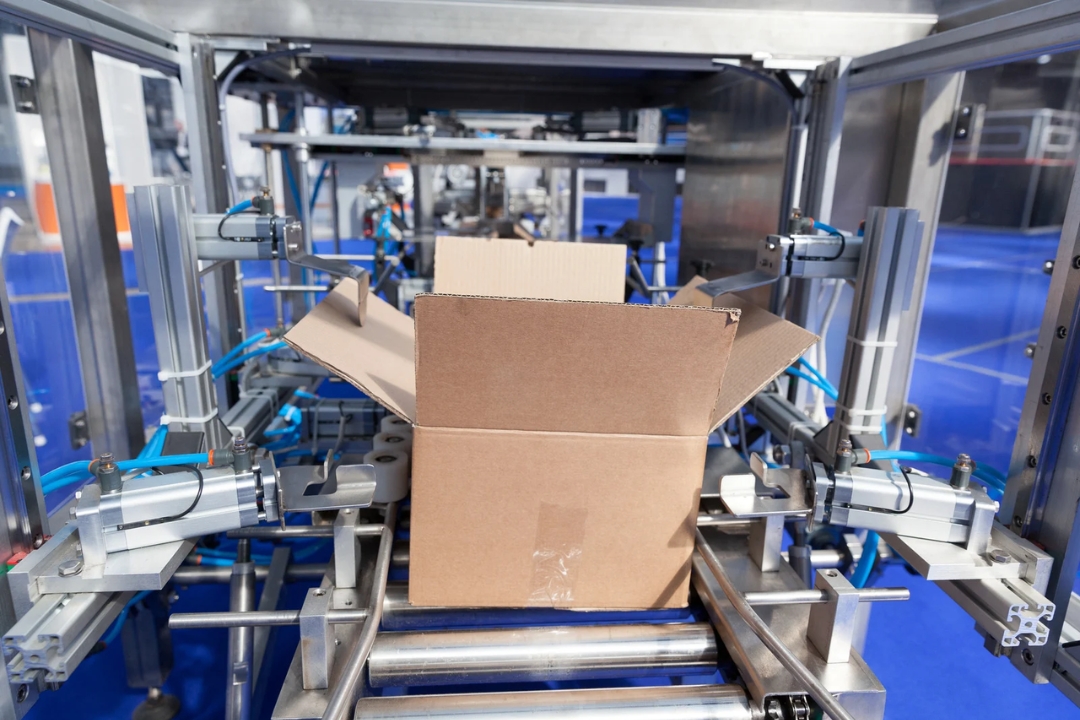
A die-cutting machine is a key investment for packaging and printing businesses that work with folding cartons and corrugated boxes. The right machine improves cutting accuracy, production speed, material use, and overall efficiency. If you choose the wrong one, you may face more downtime, uneven quality, and higher long-term costs.
When buying a machine, it’s important to look beyond just the price. Understanding which features matter most will help you make a smart investment that benefits you over time.
Die-Cutting Machine: Why the Right Features Matter
The die-cutting machine is the most important part of the packaging process. Its performance affects every step that follows, from shaping cartons to ensuring creases are perfect.
Key reasons why features matter include:
- Consistent output quality for premium packaging
- Reduced paperboard and corrugated waste
- Higher production efficiency
- Lower maintenance and operational disruptions
Selecting a machine with the right setup helps keep operations running smoothly as production increases.
Type of Die-Cutting Machine (Manual, Semi-Automatic, Automatic)
Understanding machine types is the first step in decision-making.
Manual die-cutting machines
- Suitable for low-volume or sample production
- It requires more manual labor compared to other methods.
Semi-automatic machines
- Balance between cost and efficiency
- Well-suited for medium-sized packaging operations
Automatic die-cutting machines
- Designed for high-speed, large-volume production
- Minimal manual intervention and higher consistency
For growing packaging companies, using an automatic die-cutting machine can increase productivity and reduce costs over time.
Cutting Precision and Consistency
Precision is essential in carton and packaging work. Even minor errors can affect how the box looks after it is folded, glued, and finished.
Look for features that support:
- Uniform pressure distribution
- Stable cutting platforms
- The equipment delivers consistent accuracy, even during long production runs.
When packaging is made with high precision, the edges are clean, the creases are accurate, and the overall quality is better.
Material Compatibility and Application Range
A good carton die-cutting machine should be able to cut through a variety of materials without losing performance.
Common materials include:
- Paperboard and duplex board
- Corrugated sheets
- Laminated and printed boards
Flexible machines help manufacturers handle diverse applications and serve more packaging markets without requiring additional equipment.
Production Speed and Output Capacity
Speed can help improve delivery times and boost profits. However, going faster is not always better if it leads to lower quality.
When evaluating speed:
- Check sheets-per-hour ratings
- Ensure speed stability at higher loads
- Adjust the output to maintain both capacity and cutting accuracy.
An industrial die-cutting machine must remain accurate even at high speeds.
Machine Build Quality and Durability
Build quality indicates how well a machine will perform and how long it will last.
Important aspects include:
- The frame is built to be strong and durable.
- The moving parts are designed for accuracy and reliability.
- The machine runs smoothly with minimal vibration.
A solid structure helps ensure more consistent cutting and can also reduce long-term maintenance costs.
Ease of Operation and Automation Features
Today’s packaging units need machines that are simple to operate and quick to set up.
Key usability features include:
- Easy-to-use control panels
- Quick job changeovers
- Automatic feeding and stripping options
Automation lowers the need for operators, cuts down on errors, and makes production run more smoothly.
Safety Features and Compliance
When choosing packaging die-cutting equipment, it is important to consider operator safety.
Essential safety features include:
- Emergency stop systems
- Safety guards and sensors
- Compliance with industrial safety standards
A safer machine keeps people safe and helps prevent production delays.
After-Sales Support and Service Availability
Even the best machines need help with service. Reliable after-sales service keeps operations running smoothly.
Consider:
- Installation and commissioning support
- Operator training
- Availability of spare parts and technical assistance
A dependable local service can help you avoid downtime and protect your investment.
Total Cost of Ownership (Not Just Machine Price)
The purchase price is only one part of the investment.
Evaluate:
- Energy efficiency
- Maintenance and spare part costs
- Machine lifespan and resale value
Spending a bit more at the start can help reduce operating costs and improve your return on investment in the long run.
Conclusion
If your packaging company wants to grow and keep quality high, choosing the right die-cutting machine is key.
Focus on accuracy, durability, automation, safety, and long-term costs to make a smart investment that supports efficiency and profits. Checking these features closely will help your machine stay useful as your production needs change.
Frequently asked questions
1. What is the difference between a manual and an automatic die-cutting machine?
Manual machines require more operator involvement and are suited to low-volume work, while automatic machines offer higher speed, consistent quality, and greater efficiency for large-scale packaging production.
2. How do I choose the right die-cutting machine for carton packaging?
Consider your production volume, the materials you need, the machine’s level of automation, and the after-sales support available. These factors help ensure the machine is right for your business.
3. What maintenance is required for an industrial die-cutting machine?
To keep equipment working well over time, make sure to lubricate it regularly, check cutting parts often, replace worn parts promptly, and properly train operators.