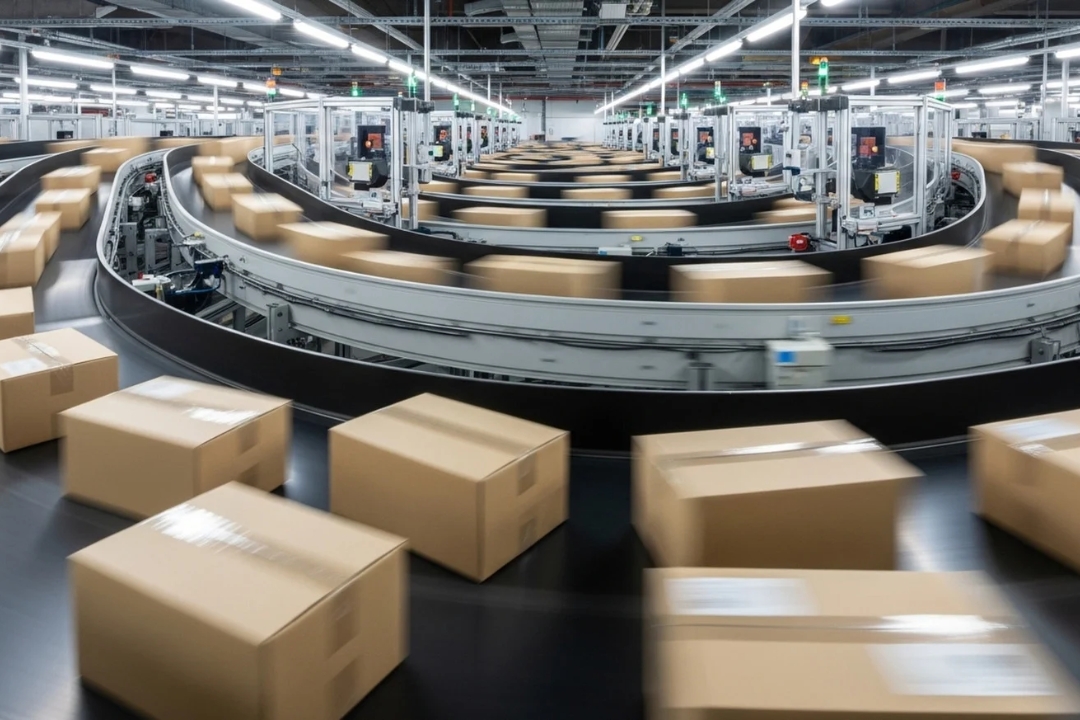
The Indian packaging industry is changing faster than ever. As demand from the FMCG, pharmaceutical, and e-commerce sectors grows, manufacturers need packaging solutions that are faster, more accurate, and can grow with them. In 2025, automation will become the main force behind this change.
Challenges in the Indian Packaging Industry with Traditional Methods
A lot of packaging units still use manual or semi-automatic methods. These methods don’t work anymore because of:
- Inconsistent folding, gluing, and cutting
- Slower production rates
- High labour dependency
- Frequent errors and wastage
- Struggles to meet bulk orders
As competition intensifies, these limitations make scaling difficult.
How Automation Is Transforming the Indian Packaging Industry in 2025
Automation adds speed, accuracy, and operational excellence, which are all necessary for today’s packaging needs.
1. Improved Precision and Quality
Automation ensures:
- Cutting the die correctly
- Clean creasing
- Folding in a uniform way
- Fewer people who say no
This boosts consistency across large production runs.
2. Higher Speed and Output Efficiency
Automated folder-gluer and lamination machines make it easier for manufacturers to:
- Increase the number of cartons produced per hour
- Finish things on time more easily
- Handle designs that are different and complicated
- Speed up the time it takes to get things done
This is crucial for sectors with high-volume requirements.
3. Stronger and More Attractive Packaging
Automation makes products last longer and look better by:
- Lamination of high quality
- Precise pasting
- Premium finishes like foil stamping
- Better visual appeal for retail shelves
Brands get better packaging and more visibility on store shelves.
4. Reduced Downtime and Maintenance Costs
Most modern automated machines offer:
- Faster job setup
- Smart control systems
- Durable engineering
- Lower vibration and wear
This means fewer breakdowns and production that goes on without stopping.
5. Scalability Without Increasing Workforce
Automation helps businesses grow without hiring more people:
- Fixes problems with not enough workers
- Makes sure the output is predictable
- Handles peaks in the seasons
- Lessens the mistakes made by workers
This makes it easy and cheap to scale operations.
Why 2025 Is a Turning Point for the Indian Packaging Industry
Several things are speeding up the use of automation:
- Huge growth in online shopping
- More strict rules for pharmaceutical packaging
- Growth of the FMCG market
- More demand for exports
- Expectations for better packaging quality
- Automated machines are easier to get in India
These trends are reshaping competitiveness across the Indian Packaging Industry.
Benefits of Automation for Brands and Packaging Manufacturers
Automation makes things run more smoothly and strengthens brand relationships:
- Quality that stays the same
- Shorter delivery times
- Less damage to products while they’re being shipped
- Fewer complaints and returns
- Better design for looks and structure
- More profit and less waste
Manufacturers can easily handle more complicated and custom packaging jobs.
Conclusion
The Indian packaging industry is changing because of automation. Automated machines are now necessary, not just nice to have.
They make things better, faster, and more scalable. Companies that automate their processes today will set the standard for the market tomorrow.
FAQs
1. Why is automation important for the Indian Packaging Industry in 2025?
It speeds up production, cuts down on waste, improves quality, and helps packaging units keep up with the growing demand from e-commerce, FMCG, and pharma brands.
2. Which packaging processes improve the most with automation?
Processes like die-cutting, folding, gluing, lamination, and finishing get the most out of it because they are more accurate and make fewer mistakes.
3. Is automation cost-effective for packaging manufacturers?
Yes. Automation costs more at first, but it saves money in the long run by lowering labour costs, waste, downtime, and rework.