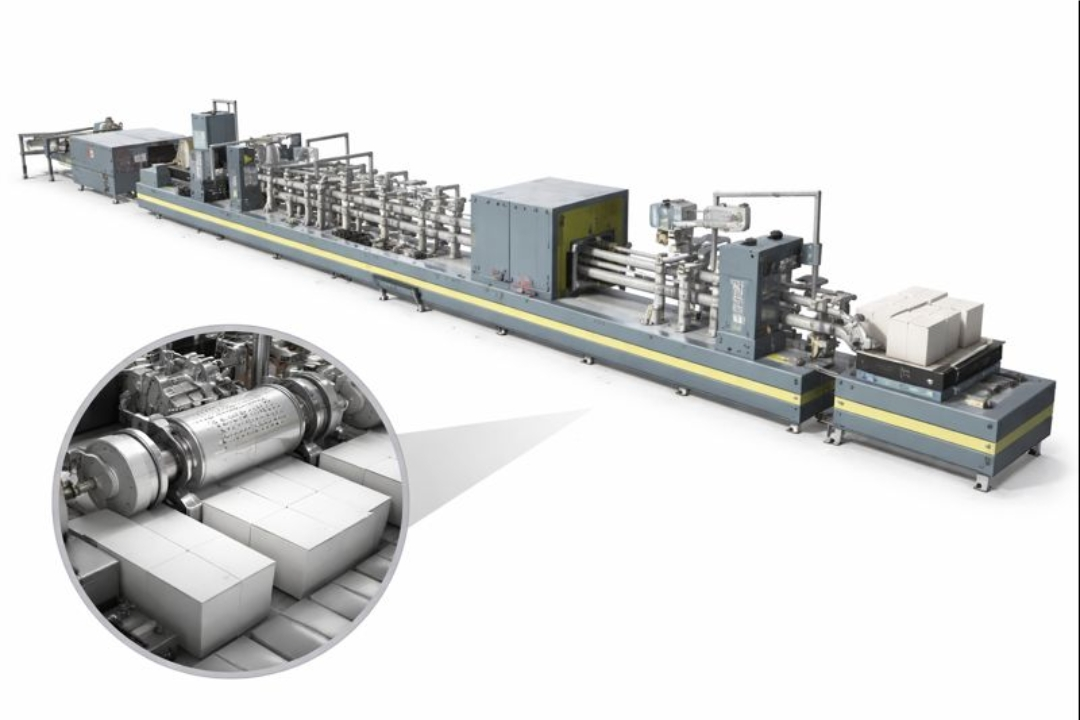
Braille Embossing helps visually impaired consumers identify products safely and independently. Everyday items like snacks, medicines, or cosmetics become easier to use. Even small businesses can implement it without much difficulty. This guide explains its importance, techniques, benefits, and tips for inclusive packaging.
What is Braille Embossing in Packaging?
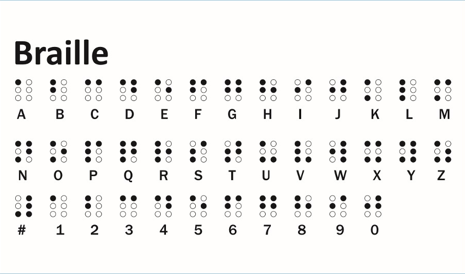
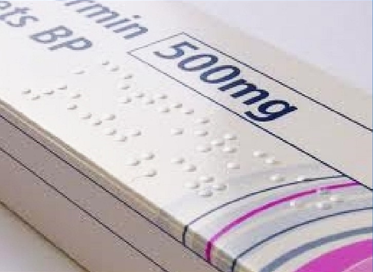
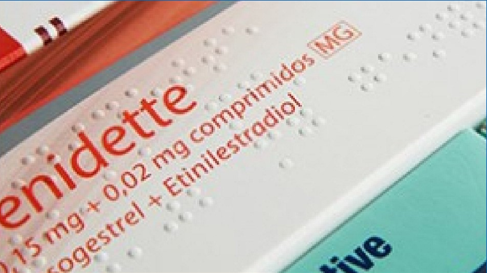
Braille embossing is the process of creating raised dots on product packaging that represent Braille letters. These tactile dots let visually impaired people read important information by touch.
Some common details included in Braille are:
- Product name
- Ingredients or contents
- Usage instructions
- Expiration dates
Even though it might sound technical, the idea is simple: provide information that people with visual impairments can read. Adding Braille isn’t just about following regulations-it shows that your brand cares about inclusivity and all customers. It also makes the user experience better and packaging more thoughtful.
Why Braille Embossing Matters
Adding Braille to packaging isn’t just about accessibility-it’s about empowerment and safety:
- Empowers consumers to make decisions on their own
- Improves safety with clear instructions and accurate information
- Builds brand credibility by showing responsibility and inclusivity
Many countries now legally require Braille on certain products, like medicines, food, and cosmetics. Following these rules not only ensures compliance but also builds trust with consumers. In today’s market, accessibility can also increase customer loyalty.
Techniques of Braille Embossing
There are several ways to add Braille to packaging, depending on your product, material, and budget:
- Heat Embossing (Thermoforming): Uses heat and pressure to create raised dots. Works well on flexible materials like plastic or foil.
- Offset Embossing: Combines printing and embossing, usually for cardboard or paper packaging.
- Digital Embossing: A high-tech method that allows precise, customizable Braille on many types of packaging.
Beginners can start with simpler methods and explore advanced techniques later. Choosing the right method is important to make sure Braille is durable and readable.
Benefits of Braille Embossing in Packaging
Adding Braille has many advantages:
- Enhanced accessibility: Visually impaired consumers can use products independently
- Improved brand loyalty: Shows your company cares about inclusivity and social responsibility
- Regulatory compliance: Helps meet packaging laws locally and internationally
- Safety and accuracy: Reduces mistakes in product usage or consumption
Besides these, Braille also communicates that your brand values ethical practices and cares for all customers, which strengthens your brand image.
Tips for Beginners
If you’re just starting, the process can feel overwhelming. Some practical tips:
- Place Braille in visible areas: Near product name or important instructions so it’s easy to find
- Check dot size and spacing: Proper sizing ensures tactile readability
- Choose the right materials: Make sure your packaging works with the embossing method you pick
- Test with real users: Ask visually impaired people to read the Braille to confirm it’s accurate
Quick Beginner Checklist:
- Pick the embossing method that suits your packaging
- Keep placement consistent across products
- Verify readability before mass production
What Information to Include in Braille
Include the most essential details:
- Product name and brand
- Ingredients or key contents
- Usage instructions and expiration dates
Providing this info makes products safer and easier to use for visually impaired consumers. It also shows your commitment to accessibility.
Common Misconceptions About Braille
Some myths still exist:
- “Braille is too expensive.” Modern technology has made it affordable for most products.
- “It’s only for visually impaired people.” It also improves your brand image and shows social responsibility.
- “It’s difficult to implement.” With some guidance, even beginners can add Braille without major problems.
Knowing these helps brands adopt Braille confidently and effectively.
Conclusion
Braille embossing isn’t just a legal requirement-it’s a way to make packaging inclusive, ethical, and responsible. Proper implementation empowers visually impaired consumers while improving safety, usability, and trust. Beginners can start with basic techniques, focus on correct placement, and test readability to make it work smoothly. With careful planning, Braille embossing turns packaging into a tool that benefits both your customers and your brand.