
Emerging Packaging Trends in India Every Brand Should Follow
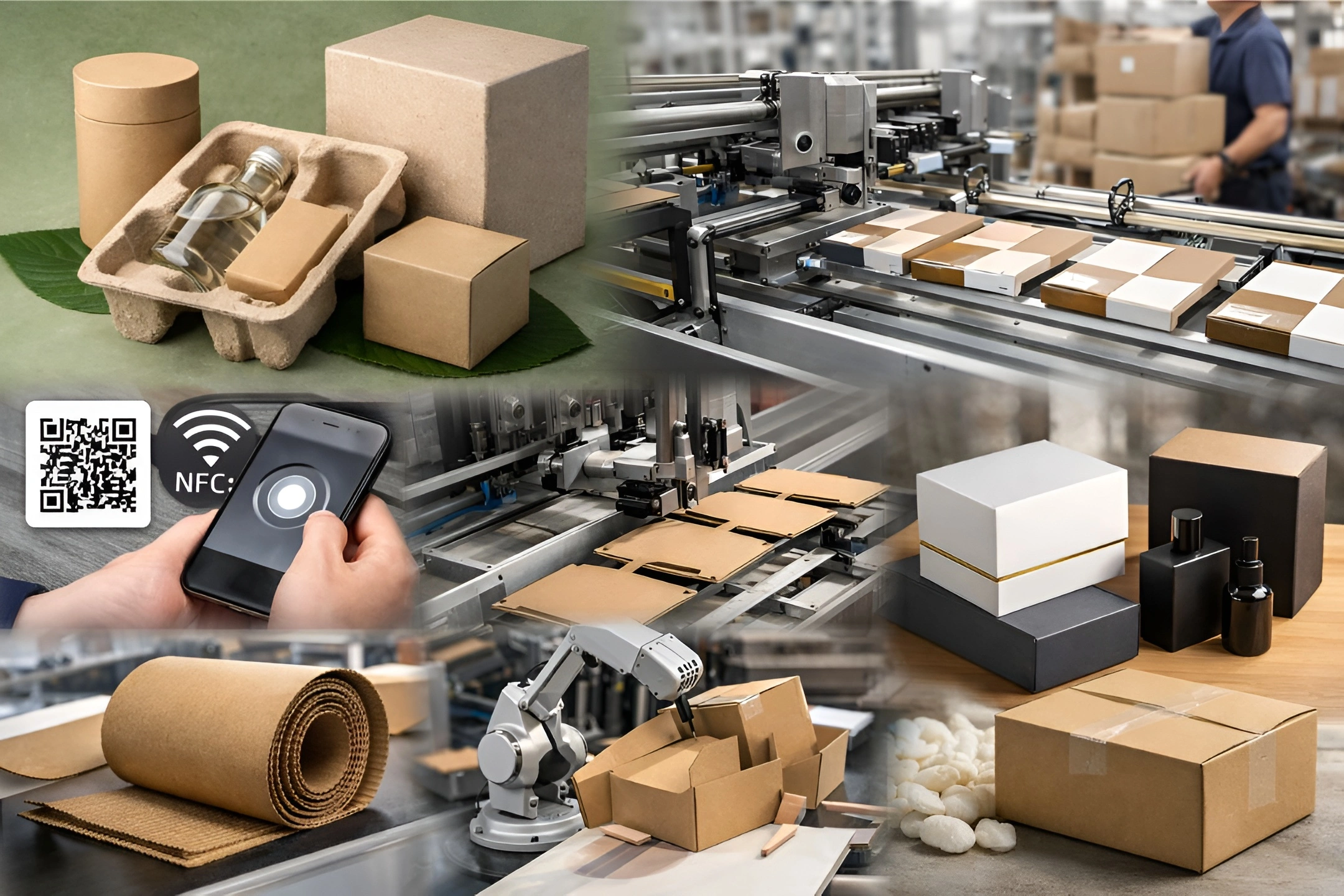
Packaging trends in India are shifting from simple product protection to high-tech, sustainable brand storytelling. As we move through 2026, the Indian market is witnessing a massive transformation driven by conscious consumerism and the rapid growth of e-commerce. For brands, staying relevant means moving beyond the “standard box” and embracing innovations that offer both aesthetic appeal and operational efficiency. At Robus India, we see firsthand how top-tier brands are upgrading their production lines to meet these new standards. Whether you are in FMCG, pharmaceuticals, or luxury retail, these trends are no longer optional – they are the new benchmark for success. Why Are Sustainable Materials No Longer Optional? The push for sustainable packaging materials has moved from a marketing “extra” to a core business requirement. With stricter government regulations on single-use plastics and a consumer base that actively seeks “green” labels, brands must adapt. Mono-material Packaging: Using a single type of polymer or fiber makes recycling significantly easier and aligns with the circular economy. Fiber-based Solutions: We are seeing a surge in high-strength corrugated designs and moulded pulp trays replacing plastic inserts. Waste Reduction: Precision is key. Advanced automated packaging machinery minimizes material waste during die-cutting and folding. How Is Automation Redefining the Packaging Trends in India? Packaging Trends in India are increasingly defined by the transition from manual labor to high-speed, error-free automation. In a high-demand market, brands cannot afford the bottlenecks of traditional production. High-Speed Processing: Modern machines, like the Robus Excellence Series, allow converters to process complex carton designs at speeds of up to 350 meters per minute. Consistency & Quality: Automation removes the “human error” factor, ensuring every crease and glue line is perfect, which is vital for luxury rigid boxes and pharmaceutical safety. Lower Operational Costs: While the initial investment in smart packaging solutions is higher, the long-term reduction in rejections and downtime offers a much higher ROI. Can Smart Packaging Bridge the Gap Between Brands and Consumers? Packaging is now a digital touchpoint. In India, where smartphone penetration is at an all-time high, smart packaging solutions are the ultimate tool for consumer engagement. Interactive QR Codes: Brands are using these for everything from authenticating expensive spirits to providing farm-to-table traceability in the food sector. NFC & RFID: These technologies help in high-level inventory tracking and prevent counterfeiting, a major concern for the Indian pharma and luxury sectors. Engagement: A simple scan can lead a customer to an AR experience or a loyalty program, turning a one-time buyer into a brand advocate. Is Minimalism the Secret to High-End Brand Differentiation? “Loud” packaging in a crowded retail environment is giving way to minimalist, eco-friendly branding. This “less is more” approach signals premium quality and environmental responsibility. Tactile Finishes: Instead of busy prints, brands are using Hot Foil Stamping and embossing to create a sensory experience that feels expensive. Clean Typography: Modern Indian brands are opting for bold, simple fonts and earth-toned color palettes that emphasize “natural” or “authentic” ingredients. Structural Innovation: Specialized carton packaging innovations are creating unique box shapes that stand out on the shelf, giving brands a distinct physical identity. How Does E-commerce Specific Packaging Reduce Returns? With the e-commerce sector in India projected to hit $18.8 billion by 2030, packaging must be “courier-proof.” E-commerce packaging trends now focus on “Right-size” packaging to save costs and protect products. Frustration-Free Design: Boxes that are simple to open but difficult to tamper with during transit. Durability: Using high-speed automatic flute laminators ensures that corrugated boxes maintain their structural integrity throughout the last-mile delivery. Sustainability in Shipping: Reducing “void fill” (the air or plastic peanuts inside a box) by creating custom-sized cartons for every product. Conclusion Adapting to the latest packaging trends in India is about more than just aesthetics; it’s about choosing the right technology to bring those designs to life. From sustainable packaging materials to the precision of automated packaging machinery, the future belongs to brands that prioritize both the planet and the consumer experience.