Live Demo :

ROBUS INDIA at CHINA PRINT 2025 | Discover how we enhance your packaging production with precision and efficiency! | Meet us at Booths: W2-007 (Dayuan), A3-522 (YCIA), E4-001/002 (Xinxing) | 15–19 May 2025 | China International Exhibition Center (Shunyi Hall), Beijing | [email protected] | +91 81783 09461 | www.robusindia.com

Food packaging boxes in India: material choices, machine requirements, and FSSAI compliance

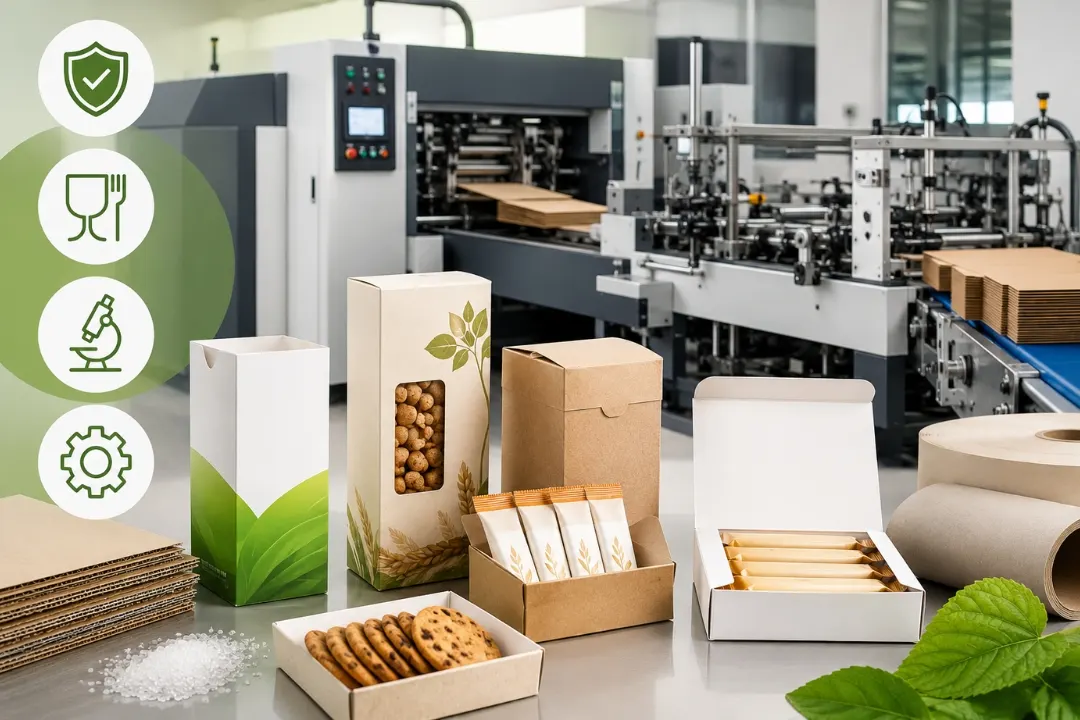
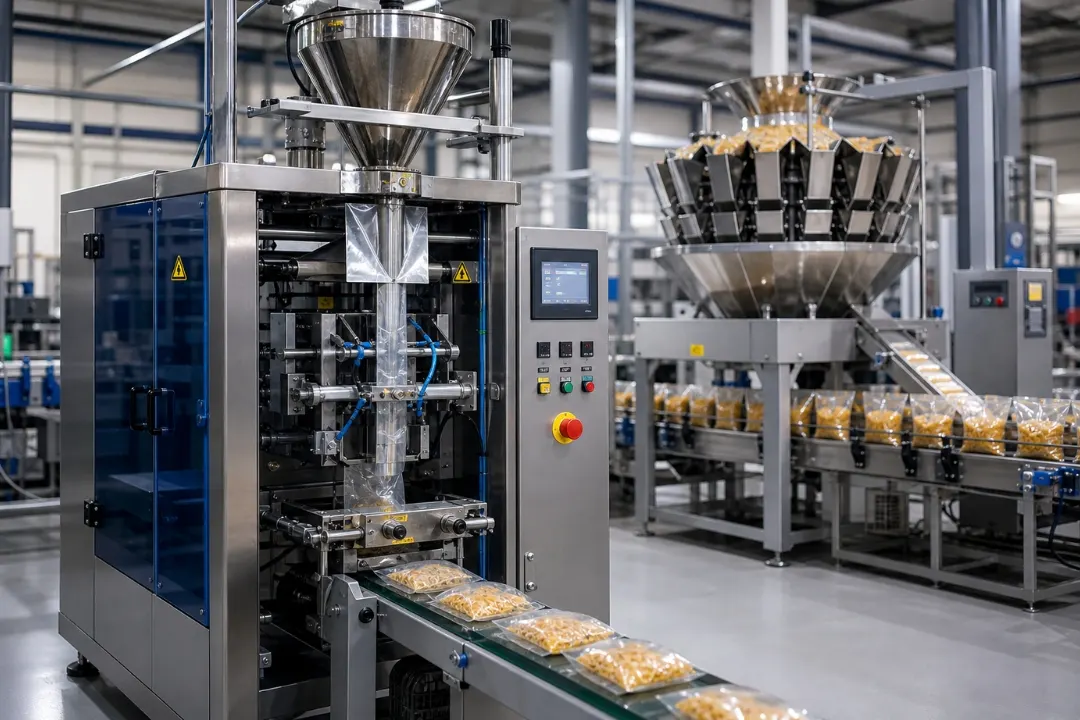
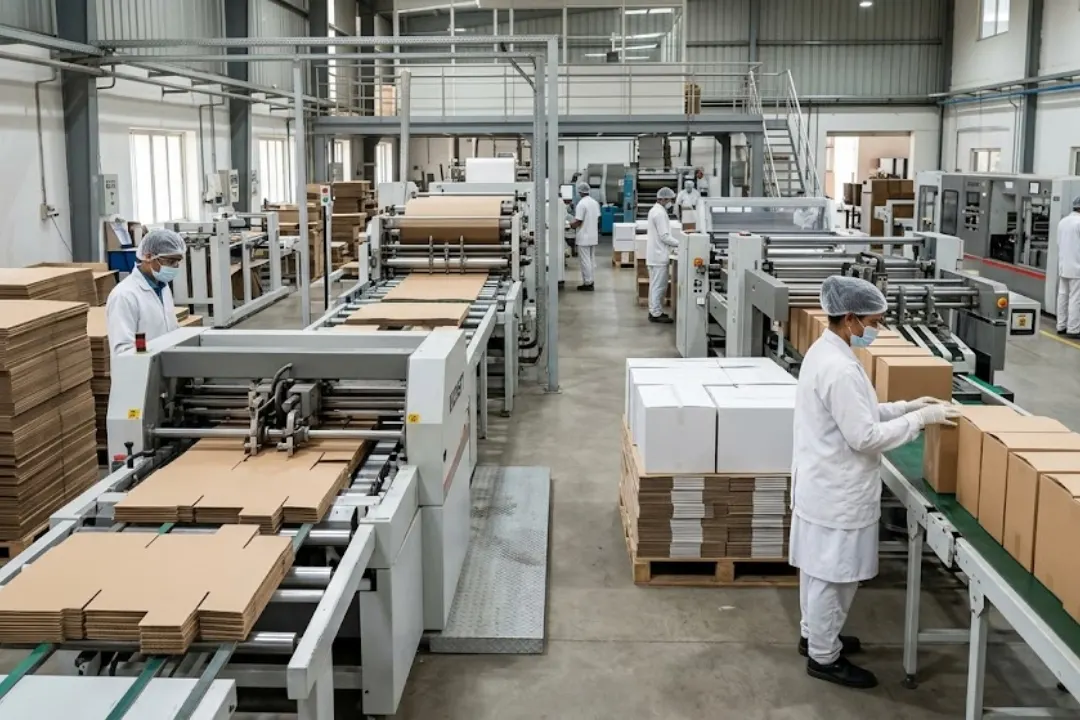
Food packaging boxes in India production line with paperboard cartons and packaging machines in a hygienic factory

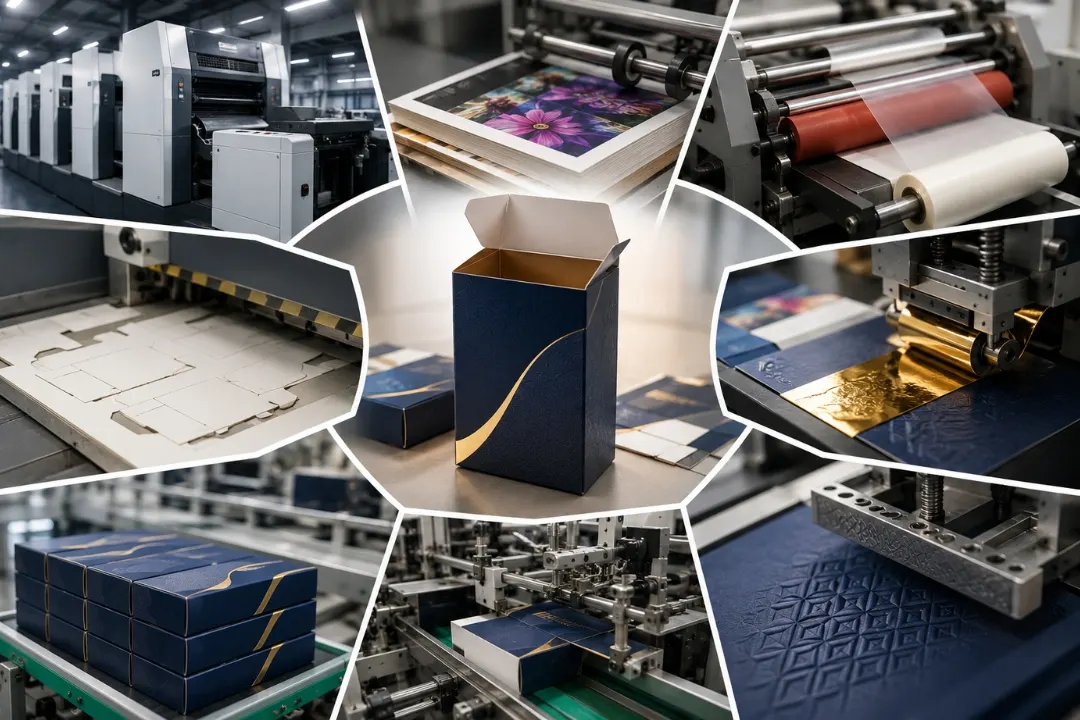
Food packaging boxes in India have quietly become one of the more complex decisions a food business has to make. Pick the wrong board, run it through the wrong machine, or miss a line in the FSSAI rulebook – and you’re looking at either a failed inspection, damaged product, or a box that falls apart somewhere between the factory floor and a customer’s hands. India’s food packaging market was valued at around USD 14.2 billion in 2025 and is on track to cross USD 25 billion by 2034. That kind of growth means more competition, tighter quality expectations, and – importantly – stricter regulatory scrutiny. Whether you run a snack brand, a bakery, or a mid-sized packaging converter supplying food companies, the fundamentals here are worth getting right.   Food Packaging Boxes in India: Getting the Material Right First The material you choose isn’t just a cost decision. It directly affects how long your product stays fresh, how it looks on a retail shelf, and whether it passes a food safety audit. Folding Paperboard – SBS, Duplex, and Kraft For retail food cartons – think biscuit boxes, cereal packs, dry snack sleeves, spice cartons – folding paperboard is the standard. SBS (solid bleached sulphate) board is the cleanest option when the inner surface touches food directly. Duplex board works well when you need decent printability on the outside without the premium cost of SBS. Kraft board has found its own audience with organic and natural food brands because it signals something unprocessed and earthy – which a lot of consumers actually respond to these days. Corrugated Board – 3-ply, 5-ply, and Beyond Corrugated is the workhorse of food transit packaging. A 3-ply box handles lighter, dry goods. 5-ply is better suited for frozen foods, heavy packaged products, or anything travelling through India’s varied logistics conditions. For very heavy industrial food shipments, some manufacturers go up to 7-ply. One thing worth noting: paper and paperboard captured close to 39% of India’s food and beverage packaging market in 2025, and that share is growing as brands shift away from single-use plastics and respond to recycled-content regulations. Coated and Laminated Boards Some food products need more than plain board. Greasy snacks, frozen items, and bakery products with high moisture content need a barrier layer – usually PE coating or a BOPP laminate film applied over the board. This stops oil migration and moisture damage, which would otherwise ruin both the product and the box. A quick but important note here: whatever coating or film you use on packaging that touches food, it needs to be food-grade. This isn’t optional.   The Machines That Actually Make the Boxes Getting the material sourced is the first half. The second half is having a production setup that can convert flat sheets into finished, FSSAI-compliant food cartons at volume. Here’s how a typical production line looks: Die Cutter This is where sheets get cut and creased into the exact shape your box will take. Precision at this stage matters more than people realise – poor crease lines lead to corners that tear open on retail shelves, which is a real problem for food brands trying to hold a clean shelf presentation. Folder Gluer After cutting, blanks are folded and glued into finished boxes. For food packaging in particular, glue placement accuracy is non-negotiable. A misaligned glue joint on a food carton isn’t just an aesthetic problem – it’s a hygiene concern. High-speed servo-controlled folder gluers handle this well; older mechanical machines often can’t maintain the consistency needed at scale. Flute Laminator Used when you’re making corrugated food boxes that need a printed outer surface. The flute laminator bonds a pre-printed sheet onto the corrugated board, giving you the structural strength of corrugated with the clean look of a printed carton. The result is what you typically see on retail-ready corrugated trays in modern trade. Film Lamination Machine For the coated finish we talked about earlier – BOPP gloss, matte, or soft-touch laminate – a film lamination machine applies the film over the printed surface before the sheet goes to die cutting. Premium food brands use this a lot because it also strengthens the box against handling damage. Hot Foil Stamper Not strictly necessary for every food box, but common in the premium category. Chocolates, speciality teas, dry fruit gift boxes – anything positioned at the higher end of the market. Foil stamping gives a box that tactile, premium feel that’s hard to replicate with print alone. Robus India, a carton packaging machine manufacturer based in Greater Noida, offers the full line of these machines – from die cutters to folder gluers, flute laminators to hot foil stampers – with installation support and after-sales service across India. For a food packaging operation that needs to scale, having one supplier cover the full machine portfolio is genuinely convenient.   FSSAI Compliance: What the Rules Actually Say This is where a lot of food businesses get caught off guard, especially smaller ones. FSSAI’s rules on packaging aren’t just about what’s printed on the label – they cover the packaging material itself. The governing document is the Food Safety and Standards (Packaging) Regulations, 2018, which replaced the earlier 2011 regulations. In April 2025, FSSAI also reclassified food-grade packaging materials from “non-critical” to “critical” in its inspection checklists – meaning packaging compliance now gets audited with the same weight as hygiene and food handling practices. That’s a significant shift. What the regulations require for food packaging boxes: Any material in direct contact with food must be food-grade and conform to the relevant BIS (Bureau of Indian Standards) specification – for example, IS 6622 applies to greaseproof paper used in food-contact applications. You need a certificate of conformity from a NABL-accredited laboratory for any packaging material touching food directly. Printing inks on the outer surface must not come in direct contact with food – there must be a barrier layer between the printed surface and the food. Migration of harmful substances from … Read more

Corrugated Box Making Machine Manufacturers: Key Factors to Consider Before Choosing the Right Supplier

Corrugated Box Making Machine Manufacturers - Robus India

India’s corrugated packaging industry is booming. From e-commerce giants shipping millions of orders daily to pharmaceutical companies protecting sensitive products, corrugated boxes are everywhere – and the demand is only growing. At the heart of this industry are corrugated box-making machine manufacturers who design and supply the equipment that powers modern packaging lines. But with so many suppliers claiming to be the best, how do you identify the right one for your business? This guide gives you a clear, practical framework to evaluate corrugated box making machine manufacturers in India – so you can invest confidently and scale your packaging operations without disruption.   Why Choosing the Right Manufacturer Matters A corrugated box-making machine is not a small purchase. It is a long-term asset that directly impacts your production speed, output quality, and profitability. A poor choice leads to: Frequent machine breakdowns and unplanned downtime. Inconsistent box quality that damages your brand reputation. High maintenance costs are eating into your margins. Lack of technical support when you need it most. Choosing the right corrugated box-making machine manufacturer from the beginning saves you from these costly mistakes and sets your business up for sustainable growth.   Key Types of Corrugated Box Making Machines Before evaluating manufacturers, it is important to understand the core machines involved in corrugated box production: Automatic Die Cutting Machine: Precisely cuts corrugated sheets into box blanks at high speed. Available in single, double, and triple-station configurations for varying production volumes. Folder Gluer Machine:- Folds and glues die-cut blanks into finished corrugated boxes. Fully automatic models offer high-speed production with minimal manual intervention. Flute Laminator: Bonds a printed or coated sheet onto corrugated board, creating the 3-ply or 5-ply board used for stronger, retail-ready packaging. Folder Gluer and Stitcher: Combines folding, gluing, and wire stitching in one machine, ideal for heavy-duty corrugated cartons used in industrial packaging. Semi-Automatic Die Cutting Machine: A cost-effective entry point for smaller operations, offering precision cutting with some manual feeding. A manufacturer who offers the full range of these machines under one roof is far more valuable than a single-product supplier – because as your business grows, your machine requirements will too.   Top Factors to Evaluate Corrugated Box Making Machine Manufacturers 1. Proven Industry Experience Years in business matter. Experienced corrugated box-making machine manufacturers have encountered and resolved real-world production challenges across industries. Look for manufacturers with a strong installation record – 400+ successful machine installations is a reliable benchmark of consistency and trust. 2. Machine Quality and Technology Evaluate the build quality of the machines – servo motor technology, PLC control systems, vibration levels, and energy efficiency. High-quality machines deliver precise, repeatable results even during long production runs. Always ask for a live demonstration before purchasing. 3. Customization Capability Your packaging line is unique. The best manufacturers offer machines that can be customized to your sheet size, speed requirement, and production workflow. A one-size-fits-all approach is a red flag when evaluating corrugated box machine suppliers in India. 4. After-Sales Service and Support This is where many manufacturers fall short. Strong after-sales service includes on-site installation, operator training, scheduled maintenance visits, and fast response to breakdown calls. Always ask: What is your average service response time? And are genuine spare parts available locally? 5. Client References and Testimonials Ask for references from existing customers – ideally in your industry segment. A manufacturer confident in their product will have no hesitation connecting you with satisfied clients. Positive reviews from real businesses are worth more than any marketing claim. 6. Total Cost of Ownership Do not evaluate price in isolation. A machine that costs less upfront but breaks down frequently, consumes more energy, or requires imported spare parts will cost significantly more over its lifetime. Always calculate the total cost of ownership, including maintenance, energy, and support. 7. Compliance, Innovation, and Global Presence Top corrugated box-making machine manufacturers invest in R&D, participate in international trade expos, and continuously upgrade their technology. This signals long-term reliability and a commitment to keeping your production line future-ready.   Why Robus India Stands Among the Top Corrugated Box Making Machine Manufacturers in India Robus India, headquartered in Greater Noida, has established itself as one of the most trusted names among corrugated box-making machine manufacturers in India since 2016. Here is what sets Robus India apart: 410+ machines installed across India and international markets Full product range covering automatic die cutters, folder gluers, folder gluer and stitchers, flute laminators, film laminators, and semi-automatic die cutting machines for corrugated carton production Servo-controlled technology ensures high precision, low vibration, and energy efficiency End-to-end service from consultation and installation to scheduled maintenance and spare parts support Proven client satisfaction across pharma, food, e-commerce, and industrial packaging sectors Global recognition with presence at international packaging expos Robus India does not just sell machines – it partners with packaging businesses to help them grow, scale, and compete.   Frequently Asked Questions (FAQs)   Q1. Who are the leading corrugated box-making machine manufacturers in India?  Several manufacturers operate in this space, but companies with strong installation records, full product ranges, and robust after-sales support – like Robus India – consistently stand out as reliable long-term partners. Q2. What machines are needed to make corrugated boxes?  A complete corrugated box production line typically includes a flute laminator, an automatic die cutting machine, and a folder gluer or folder gluer and stitcher machine. Q3. What is the price of a corrugated box-making machine in India?  Prices vary significantly based on machine type, automation level, and production capacity. Semi-automatic machines are more affordable for smaller operations, while fully automatic lines involve a higher investment with faster ROI. Q4. How do I choose the best corrugated box machine manufacturer in India?  Evaluate their experience, installation track record, machine technology, after-sales support quality, client testimonials, and total cost of ownership – not just the upfront price. Q5. Does Robus India offer after-sales support for corrugated box machines?  Yes. Robus India provides complete after-sales support, including on-site installation, operator training, … Read more

Custom Cardboard Boxes: Why Businesses Are Choosing Sustainable Packaging Solutions

Custom cardboard boxes - Robus India

Custom cardboard boxes have quietly become one of the most practical decisions a business can make – not just for packaging, but for how a brand is perceived. As consumers grow more aware of waste and environmental impact, companies across industries are rethinking how their products reach people. Sustainable packaging is no longer a niche preference. It has become a real business consideration, affecting purchasing decisions, operational costs, and brand trust.   What Are Custom Cardboard Boxes? Custom cardboard boxes are packaging solutions tailored to a specific product’s shape, size, and branding needs. Unlike standard off-the-shelf options, they are designed with a particular business in mind – from the structural build to the printed finish. They typically come in three forms: Folding cartons – Lightweight, commonly used in retail and food packaging. Corrugated cardboard boxes – Sturdier, suitable for shipping and e-commerce. Rigid boxes – Premium-feel packaging used in the luxury and gifting segments. All three can be made from recyclable or biodegradable materials, which makes them a natural fit for businesses looking to reduce their environmental footprint without compromising quality.   Why Businesses Are Moving Toward Sustainable Packaging The shift is not happening overnight, but it is clearly picking up pace. A few key factors are driving this change across sectors: Consumer expectations have changed – Buyers today are more likely to support brands that show environmental responsibility. Regulatory pressure is increasing – Packaging norms in India and globally are pushing manufacturers toward greener alternatives. Cost savings over time – Eco-friendly cardboard packaging is lighter, which directly reduces shipping expenses. Recyclability – Cardboard breaks down more cleanly than plastic, reducing the overall carbon footprint of a product’s lifecycle. Brand perception – Sustainable packaging signals quality and responsibility, two things that matter to modern buyers. For businesses in India, particularly, where the packaging industry is growing fast, this shift also opens up export opportunities – since international buyers often require sustainable packaging compliance.   Key Benefits of Using Custom Cardboard Packaging Beyond sustainability, there are several practical reasons why businesses across industries are making the switch. Brand Customization: Custom packaging gives brands full control over how their product looks – from logo placement to finishing techniques like hot foil stamping, lamination, and embossing. This directly impacts shelf appeal and the unboxing experience. Product Protection: A well-designed box protects the product during transit and storage. Corrugated layers and precise die-cut structures significantly reduce damage, returns, and wastage – something especially relevant for fragile goods. Versatility Across Industries: Custom cardboard works across pharma, food and beverage, FMCG, e-commerce, and retail – making it one of the most adaptable packaging formats available. Scalability: Whether a business is running small batches or high-volume production, cardboard packaging can scale without major changes in the production process. Modern automated machines make this even more efficient.   How Packaging Machinery Makes Sustainable Production Possible Sustainable packaging is not just about the material – it is also about how efficiently that material is used. Modern packaging machinery plays a large role in reducing waste during the production process itself. Here is how different machines contribute: Folder gluer machines form boxes with precision, reducing misalignment and material wastage Die-cutting machines cut shapes accurately with minimal offcuts, making better use of each cardboard sheet Flute laminators produce corrugated packaging that is lightweight yet durable – using less raw material without compromising strength Braille embossing machines support pharmaceutical compliance, allowing pharma brands to use cardboard packaging that meets regulatory requirements The result is a leaner production process – one that produces less waste, uses materials more efficiently, and supports higher output volumes with consistent quality.   Which Industries Are Seeing the Most Impact Custom cardboard packaging is finding strong use across a range of sectors: E-commerce and Q-commerce – Where packaging has to be sturdy, lightweight, and brand-consistent across thousands of daily shipments. Pharmaceuticals – Where Braille compliance and tamper-evident features are needed on folding cartons. Food and beverage – Where food-safe, printed cardboard packaging supports both hygiene and marketing requirements. FMCG and personal care – Where shelf appeal and compact packaging directly influence purchase decisions. Luxury retail and gifting – Where rigid boxes with premium finishes deliver a strong unboxing experience.   What to Look for in a Custom Packaging Partner Choosing the right packaging partner matters more than most businesses initially realise. A few things worth considering: End-to-end support – From initial consultation and machine setup to regular after-sales service. Machinery that supports sustainable materials – Not all equipment handles recyclable or thinner cardboard well. Customization range – The ability to handle different finishes, sizes, and formats under one roof. Proven track record – Client references and installed machine numbers are a more reliable indicator than marketing claims. Technical expertise – Both in electrical and mechanical systems, so issues are resolved quickly with minimal downtime.   Packaging as a Long-Term Business Decision The move toward sustainable custom cardboard packaging is not driven by trend alone. It is being pushed by real factors – consumer behaviour, supply chain efficiency, regulatory direction, and the economics of modern manufacturing. For businesses still relying on generic or plastic-heavy packaging, the window to make a cost-effective transition is still open – but it is narrowing. Eco-friendly cardboard packaging is becoming the baseline, not the exception. Whether you are a growing FMCG brand, a pharmaceutical company, or an e-commerce business scaling rapidly, investing in the right custom packaging solution today is one of the more straightforward ways to reduce costs, improve brand perception, and align with where the market is clearly heading.

Why Eco-Friendly Packaging Boxes Are the Future of Sustainable Packaging

Eco-Friendly Packaging Boxes - Robus India

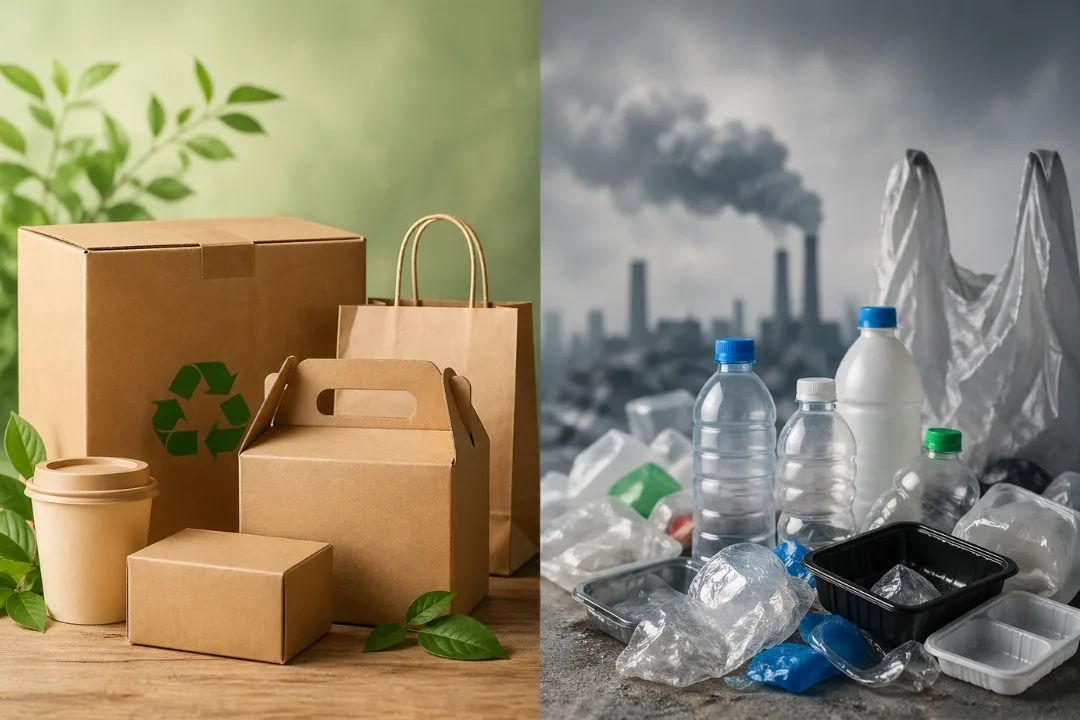
Eco-friendly packaging boxes are changing how businesses think about packaging. What started as a choice for a handful of conscious brands has now become a real shift – one that touches every industry from pharma to e-commerce. Consumers are more aware of packaging waste. Governments are tightening rules on plastics. Businesses that haven’t explored greener options are starting to feel pressure from both sides.   Eco-Friendly Packaging Boxes: What Is Driving the Change? Packaging waste is one of the most visible environmental problems today. And in India, the push toward greener packaging is coming from several directions at once: Regulations: India’s Extended Producer Responsibility (EPR) framework and BIS guidelines are encouraging manufacturers to adopt recyclable carton packaging and biodegradable materials. Consumer preference: Urban buyers increasingly prefer brands that use environmentally friendly packaging, which shapes purchase decisions. Export standards: Many international buyers now expect suppliers to meet basic sustainability requirements. Businesses that adapt early are not just staying compliant – they are building a reputation that pays off over time.   Real Benefits of Switching to Sustainable Packaging There are clear, practical reasons to make the switch – beyond just being responsible. Lower shipping costs: Lightweight eco packaging for businesses cuts freight costs per shipment. Less production waste: Precision-made green packaging materials mean fewer off-cuts and rejected units. Better shelf appeal: Customers associate paper-based packaging with quality and care – it builds trust quietly. Easier compliance: Adopting recyclable carton packaging now means less disruption when new rules come in. These add up to real savings and a stronger market position.   What Actually Makes a Packaging Box Eco-Friendly? The term gets used loosely. Here is what it should actually mean: Material: Biodegradable packaging boxes use FSC-certified paperboard, recycled kraft, or natural fibre – all of which break down without leaving harmful residues. Inks and coatings: Water-based or soy-based inks keep the box safe for recycling. Design: A good sustainable carton box uses only as much material as the product needs – nothing extra. How it’s made: Precision die cutters and folder gluers, like those from Robus India, cut material cleanly and generate less scrap per batch. Every one of these factors reduces the footprint across the full production run.   How Packaging Machines Support Greener Production Good materials alone are not enough. If your machines are imprecise, you will still generate excess scrap and waste energy. The right equipment makes a direct difference: Precise die cutting reduces paper wastage significantly compared to older setups. Servo-controlled folder gluers deliver consistent output at speed – less energy per finished box. Automatic flute laminators bond paper-based packaging solutions cleanly, without over-applying adhesive. Robus India’s folder gluers, die cutters, and flute laminators give manufacturers the tools to produce folding carton packaging at a commercial scale – with low waste and high output.   Which Industries in India Are Already Switching? A few sectors are ahead of the rest: Pharmaceuticals: Regulatory standards and Braille compliance pushed this sector toward folding cartons early on. Food and beverage: Plastic trays and wraps are being replaced with recyclable cartons across retail and delivery. E-commerce: Online brands are shifting to lighter, fully recyclable box designs to cut packaging waste. Cosmetics: Premium sustainable carton boxes are now a genuine selling point on retail shelves. India’s packaging market is growing fast. Brands that build sustainable practices now will be better positioned to compete – locally and globally.   To Wrap Up The move toward eco-friendly packaging reflects a real, lasting change in how businesses, consumers, and regulators think about materials and waste. Robus India helps manufacturers across India make this transition practical. Our folder gluers, die cutters, and lamination machines are built to handle paper-based packaging at high speed with minimal waste.    Frequently Asked Questions What are eco-friendly packaging boxes made of? Most are made from FSC-certified paperboard, recycled kraft paper, or corrugated fibreboard. They use water-based inks and skip plastic coatings – making them straightforward to recycle or compost after use.   How do eco-friendly packaging boxes help the environment? The materials biodegrade without releasing harmful chemicals. They are lighter than plastic, which cuts transport emissions. And because they are recyclable, they stay out of landfills far longer than standard packaging.   Are eco-friendly packaging boxes cost-effective for businesses? Generally, yes. Some sustainable materials cost slightly more upfront. But businesses save on shipping (lighter boxes), material waste (precision manufacturing), and long-term compliance. Most find the numbers work in their favour after the first year.

What is a Double-Sided Tape Applicator and How Does It Improve Packaging Efficiency?

Double-Sided Tape Applicator - Robus India

A double-sided tape applicator is a game-changer for any modern packaging or printing facility. In simple terms, it is a machine that automates the bonding process. It replaces the slow, inconsistent method of applying adhesive tape by hand. Manual taping is often the primary bottleneck in post-press finishing. It leads to wasted hours and uneven results. By using an applicator, you integrate speed and precision into your production line. These machines are designed to work with various materials. This includes corrugated board, heavy paper, and even plastic films. The goal is to move products through the finishing stage as fast as possible. The technology behind these machines has evolved rapidly. Today’s models use advanced sensors to detect the edge of a product. This ensures the tape is placed perfectly every single time.   How a Double-Sided Tape Applicator Maximizes Your Output The manufacturing sector relies heavily on efficiency. When you use a double-sided tape applicator, you are choosing a path of consistency. Hand-taping is prone to human error, which can ruin an entire batch of premium packaging. Automation removes these variables. Here is a breakdown of how it improves your operational workflow:   Unmatched Speed for High-Volume Orders Manual application is limited by human speed and fatigue. Machines can run at speeds exceeding 40 meters per minute. High-speed application allows you to take on larger contracts. You can meet tight deadlines without hiring temporary seasonal staff.   Precision Placement for Professional Results Sensors ensure the tape starts and stops at the exact millimeter. This is vital for “peel and seal” envelopes and e-commerce boxes. Consistent placement improves the structural integrity of the box. It ensures that the final consumer has a seamless unboxing experience.   Drastic Reduction in Material Waste Manual workers often pull more tape than is actually required. Small scraps of wasted tape add up to kilometers of lost profit over a year. Automatic cutters trim the tape to the exact programmed length. This precision saves money on raw materials instantly.   Versatility Across Different Tape Types These machines aren’t limited to standard office-grade tape. They can apply heavy-duty foam tapes for industrial use. They handle thin tissue tapes for retail displays. Many units support “finger-lift” tape, which is easier for customers to peel.   Why Packaging Firms are Switching to Automation The packaging industry in India is becoming highly competitive. Clients now demand faster turnaround times and lower prices. To stay profitable, you must lower your internal costs. A Double-Sided Tape Applicator is a smart financial move. While there is an upfront cost, the savings in labor are immense. A single machine can often do the work of four to five manual laborers. This type of equipment doesn’t just save money; it solves staffing issues. It is challenging to find and train workers for repetitive manual tasks. A machine doesn’t get tired or lose focus during an eight-hour shift. Furthermore, the floor space required for a machine is much smaller than that of a manual packing line. This allows you to maximize your warehouse footprint. You can fit more production capacity into the same square footage.   Technical Advantages for the Modern Press Robus India manufactures durable machines. These are not flimsy tools; they are industrial-grade powerhouses. Here are some technical highlights to look for: PLC Control Systems: Easy-to-use screens for setting tape lengths. Adjustable Heads: You can move the tape head to different positions easily. Compatibility: They can be mounted on folder-gluers or used as standalone units. High-Speed Cutters: These ensure a clean snap with no adhesive buildup. Anti-Static Features: This prevents the tape liner from sticking to the machine. Reliability is key in this industry. If your machine breaks down, your production stops. That is why choosing a reputable supplier is just as important as the machine itself.   Final Thoughts on Scaling Your Business Investing in a Double-Sided Tape Applicator is about future-proofing your business. As e-commerce continues to grow, the demand for self-sealing boxes will only rise. If you cannot produce these efficiently, you will lose market share. Automation allows you to bid on complex jobs that were previously too labor-intensive. It gives you the confidence to promise high quality to your most demanding clients. At Robus India, we specialize in helping businesses transition from manual to automated workflows. Our machines are designed to be intuitive, requiring minimal training for your existing staff. Typically, these systems yield a return on investment in less than a year. Between labor savings and material efficiency, the machine pays for itself while your profits grow.

Emerging Packaging Trends in India Every Brand Should Follow

Packaging Trends in India - Robus India

Packaging trends in India are shifting from simple product protection to high-tech, sustainable brand storytelling.  As we move through 2026, the Indian market is witnessing a massive transformation driven by conscious consumerism and the rapid growth of e-commerce. For brands, staying relevant means moving beyond the “standard box” and embracing innovations that offer both aesthetic appeal and operational efficiency. At Robus India, we see firsthand how top-tier brands are upgrading their production lines to meet these new standards. Whether you are in FMCG, pharmaceuticals, or luxury retail, these trends are no longer optional – they are the new benchmark for success.   Why Are Sustainable Materials No Longer Optional? The push for sustainable packaging materials has moved from a marketing “extra” to a core business requirement. With stricter government regulations on single-use plastics and a consumer base that actively seeks “green” labels, brands must adapt. Mono-material Packaging: Using a single type of polymer or fiber makes recycling significantly easier and aligns with the circular economy.   Fiber-based Solutions: We are seeing a surge in high-strength corrugated designs and moulded pulp trays replacing plastic inserts.   Waste Reduction: Precision is key. Advanced automated packaging machinery minimizes material waste during die-cutting and folding.   How Is Automation Redefining the Packaging Trends in India? Packaging Trends in India are increasingly defined by the transition from manual labor to high-speed, error-free automation. In a high-demand market, brands cannot afford the bottlenecks of traditional production. High-Speed Processing: Modern machines, like the Robus Excellence Series, allow converters to process complex carton designs at speeds of up to 350 meters per minute.   Consistency & Quality: Automation removes the “human error” factor, ensuring every crease and glue line is perfect, which is vital for luxury rigid boxes and pharmaceutical safety.   Lower Operational Costs: While the initial investment in smart packaging solutions is higher, the long-term reduction in rejections and downtime offers a much higher ROI.   Can Smart Packaging Bridge the Gap Between Brands and Consumers? Packaging is now a digital touchpoint. In India, where smartphone penetration is at an all-time high, smart packaging solutions are the ultimate tool for consumer engagement. Interactive QR Codes: Brands are using these for everything from authenticating expensive spirits to providing farm-to-table traceability in the food sector.   NFC & RFID: These technologies help in high-level inventory tracking and prevent counterfeiting, a major concern for the Indian pharma and luxury sectors.   Engagement: A simple scan can lead a customer to an AR experience or a loyalty program, turning a one-time buyer into a brand advocate.   Is Minimalism the Secret to High-End Brand Differentiation? “Loud” packaging in a crowded retail environment is giving way to minimalist, eco-friendly branding. This “less is more” approach signals premium quality and environmental responsibility. Tactile Finishes: Instead of busy prints, brands are using Hot Foil Stamping and embossing to create a sensory experience that feels expensive.   Clean Typography: Modern Indian brands are opting for bold, simple fonts and earth-toned color palettes that emphasize “natural” or “authentic” ingredients.   Structural Innovation: Specialized carton packaging innovations are creating unique box shapes that stand out on the shelf, giving brands a distinct physical identity.   How Does E-commerce Specific Packaging Reduce Returns? With the e-commerce sector in India projected to hit $18.8 billion by 2030, packaging must be “courier-proof.” E-commerce packaging trends now focus on “Right-size” packaging to save costs and protect products. Frustration-Free Design: Boxes that are simple to open but difficult to tamper with during transit.   Durability: Using high-speed automatic flute laminators ensures that corrugated boxes maintain their structural integrity throughout the last-mile delivery.   Sustainability in Shipping: Reducing “void fill” (the air or plastic peanuts inside a box) by creating custom-sized cartons for every product.   Conclusion Adapting to the latest packaging trends in India is about more than just aesthetics; it’s about choosing the right technology to bring those designs to life.  From sustainable packaging materials to the precision of automated packaging machinery, the future belongs to brands that prioritize both the planet and the consumer experience.

Packaging Industry in India: Growth and Future Scope

Packaging Industry in India - Robus India

The Packaging Industry in India is currently the fifth-largest sector of the Indian economy, acting as a critical backbone for the country’s manufacturing and retail sectors. As we move through 2026, the industry is witnessing an unprecedented shift from simple containment to technology-enabled, sustainable solutions. Driven by a surge in e-commerce, a booming pharmaceutical sector, and a shift toward organized retail, this industry is projected to reach a staggering market value of over $140 billion by 2029. This growth is not just about volume; it is about the high-tech transition within the folding carton and corrugated industries.   What is the current state of the Packaging Industry in India? The packaging industry in India is growing at a rapid annual rate of roughly 22% to 25%. At present, the market holds a valuation of approximately $86 billion, surpassing Japan to secure its position as the third-largest packaging market globally. Sector Dominance: Food and beverage packaging accounts for nearly 45% of the market share, followed closely by pharmaceuticals and personal care.   Segment Growth: While plastic remains a major material, paper-based packaging, including folding cartons and corrugated boxes, is growing at a 12% CAGR, driven by environmental regulations.   FDI & Infrastructure: With 100% Foreign Direct Investment (FDI) allowed under the automatic route, global players are increasingly setting up manufacturing hubs in India.   Key Drivers Powering the Future of Indian Packaging Several socioeconomic factors are pushing the demand for advanced packaging solutions to new heights. E-commerce & Q-commerce Explosion: The “Quick-commerce” model (10–30 minute deliveries) requires specialized, secondary packaging like corrugated mini-shippers and tamper-evident boxes.   Sustainability Mandates: New government regulations, such as Extended Producer Responsibility (EPR), are forcing brands to move toward 100% recyclable materials.   Rising Disposable Income: A growing middle class is opting for packaged and processed foods, which require high-barrier, aseptic, and visually appealing carton packaging.   Why is Automation the Future Scope of Packaging? As demand scales, manual processes are no longer viable. The future scope of the industry lies in high-speed, automated post-press machinery. Automated solutions like the Excellence Series folder gluers and high-precision die-cutting machines allow manufacturers to: Increase Output: Modern machines can handle thousands of sheets per hour, meeting the bulk requirements of FMCG giants.   Enhance Precision: Features like inline Braille embossing and rotary inspection ensure that pharmaceutical packaging meets global safety standards.   Reduce Wastage: Smart sensors and servo-controlled systems minimize substrate waste, significantly boosting the manufacturer’s ROI.   How is Robus India Shaping the Future of Carton Packaging? Since 2016, Robus India has been at the forefront of providing advanced machines for carton packaging. Operating from a high-tech facility in Greater Noida, the company has completed over 410 installations. Innovative Range: From the high-speed 3-ply flute laminators to the specialized Trio Press die-cutting machines, Robus India caters to both folding carton and corrugated industries.   Localized Solutions: Understanding the Indian market, they provide machines that are roughly 30% more cost-effective than international counterparts without compromising on speed or durability.   End-to-End Support: Beyond selling machinery, they offer expert consultation, seamless installation, and a professional engineering service to ensure maximum machine uptime.   Conclusion The Indian packaging landscape is evolving from a commodity-driven market to a technology-driven powerhouse. With the push for “Make in India” and a global shift toward sustainable paper packaging, the growth potential is limitless. The only way for businesses to stay competitive in this fast-paced economy is to invest in high-performance automation as they grow.   Frequently Asked Questions (FAQs) 1. What is the growth rate of the packaging industry in India? The industry is growing at an impressive rate of 22% to 25% annually. It is currently the 5th largest sector in India and is expected to grow significantly due to e-commerce and pharmaceutical demand.   2. Why is carton packaging becoming more popular than plastic? Consumer awareness and government mandates like EPR are driving the shift. Paper-based carton packaging is better for the environment because it breaks down naturally, is easier to recycle, and has great branding potential because it can be printed on in high quality.   3. How does automation help small-scale packaging units? Automation allows smaller units to achieve consistent quality, reduce labor costs, and take on larger orders that require high precision and fast turnaround times, helping them compete with larger players.

Best Cardboard Box Making Machine Manufacturers in India

Best Cardboard Box Making Machine - Robus India

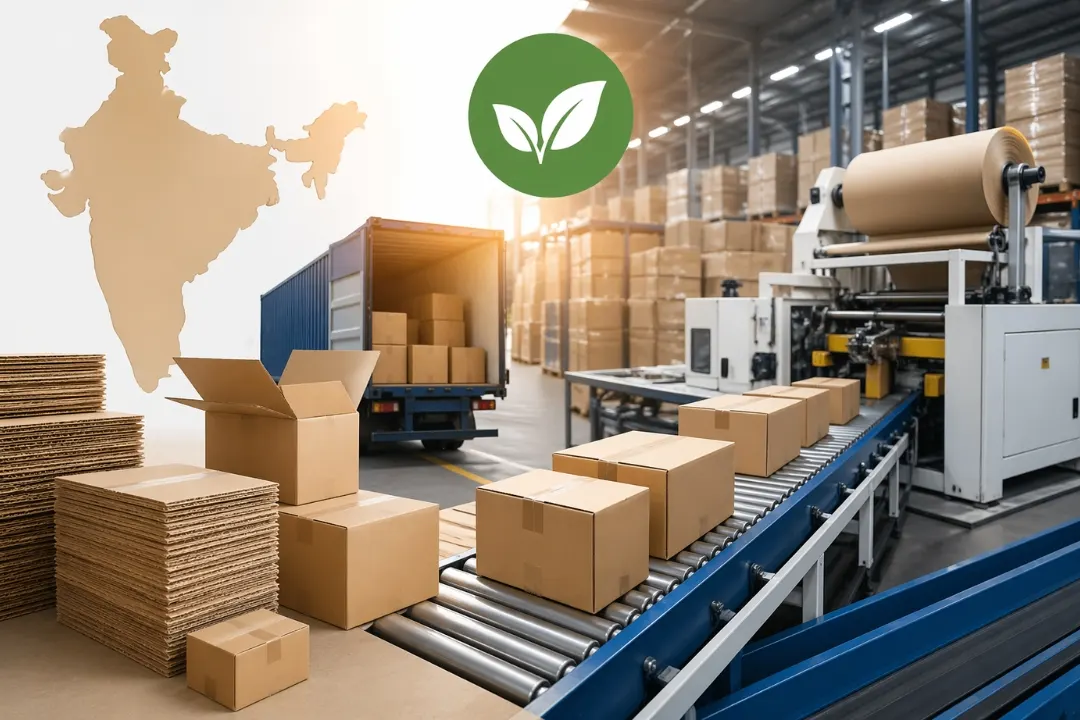
Cardboard Box Making Machine Manufacturers are the primary drivers of India’s industrial growth, supporting everything from retail to heavy electronics. As global brands shift their manufacturing bases to India, the demand for high-strength, precision-engineered packaging has skyrocketed. For a local business, the choice of machinery determines whether they can fulfill high-volume contracts or struggle with production bottlenecks and high rejection rates. Modern packaging is no longer just about protection; it is about branding and efficiency. High-speed automation is now the standard.  Manufacturers who invest in the right technology can offer their clients faster turnaround times, lower costs, and superior box finish. This article dives into why local machinery is winning the market and what features you should prioritize for your facility.   Why Choose Cardboard Box Making Machine Manufacturers in India? Cardboard Box Making Machine Manufacturers are the driving force behind India’s industrial self-reliance, especially in the packaging sector. As consumer expectations for “unboxing experiences” rise, the pressure on manufacturers to deliver flawless, high-strength cartons has never been greater.  For businesses in Greater Noida and across India, the shift toward smart automation isn’t just a luxury-it’s a survival strategy. Choosing a local manufacturer allows you to tap into world-class technology without the logistical headaches of international imports. The right partner provides not just a machine, but a long-term service ecosystem.  This guide explores the leading features of top-tier Indian machinery and how they are redefining the standards of the corrugated and folding carton industries.   Why Choose Cardboard Box Making Machine Manufacturers in India? Choosing Cardboard Box Making Machine Manufacturers based in India, such as Robus India, offers unique benefits that global competitors often struggle to match. Significant Cost Savings: Purchasing locally can reduce your capital investment by nearly 30% compared to European brands.   Immediate Engineering Support: Robus India’s Greater Noida headquarters ensures that service engineers can reach local units within hours.   Built for Local Substrates: Indian machines are specifically engineered to handle the varying humidity and paper grades common in South Asian markets.   Ready Spare Parts: You no longer have to wait weeks for a single sensor to clear customs; local inventory keeps your lines running.   Proven Reliability: With over 410 successful installations, Robus India has established a reputation for machines that run 24/7 with zero vibration.   Which is the Best Automatic Machine for Corrugated Box Making? For those looking to maximize their factory’s output, the Excellence Series by Robus India is widely considered the gold standard for high-speed production. High-Speed Folder Gluers: These machines can reach speeds of 350-400 meters per minute, allowing you to fulfill massive e-commerce orders.   Automatic Die Cutters: Robus’s “Trio Press” models offer precision stripping and blanking, ensuring clean edges for every carton.   Boxstream Innovation: The newly launched Boxstream machine is a game-changer for smaller, intricate e-commerce and beverage boxes.   Flute Laminators: Achieve perfect bonding for 3-ply and 5-ply boards with servo-controlled alignment systems.   Luxury Features: For premium branding, look for machines with Inline Braille and Hot Foil Stamping attachments.   Top Features to Look for in Industrial Box Making Machinery When comparing carton packaging machines in India, technical specifications will determine your long-term return on investment. Servo-Driven Accuracy: This technology ensures millimeter-precision in every fold, reducing material rejection by up to 20%.   Modular retrofitting: Choose machines that let you add attachments, like 4- and 6-corner units, as your business grows.   User-Friendly HMI: A digital touch-screen interface makes it easy for your staff to switch between box sizes in under 15 minutes.   Durability: A heavy-duty frame is essential for maintaining stability at high speeds, a feature prioritized in the Robus Performance Series.   Quality Sensors: Integrated cameras can automatically eject boxes with misaligned glue lines, protecting your brand’s reputation.   How Do Modern Machines Improve Packaging ROI? Upgrading to an automated line from Robus India is a strategic move that addresses the three biggest drains on a packaging plant’s profit: labor, waste, and time. Labor Reduction: Modern machines like the Boxstream can reduce labor requirements on a single line from 60 people to just five.   Increased Capacity: Automation allows your facility to increase production by approximately 35% to 70% without expanding your physical footprint.   Zero Waste Goals: Precision feeding and alignment systems minimize “fish-tailing” and other common defects in corrugated boxes.   Global Competitiveness: With professional-grade finishing, your boxes will meet the strict standards required for export to European and American markets.   Sustainable Operation: Modern inverter-driven motors significantly lower electricity consumption compared to older, manual equipment.   Conclusion The future of Indian packaging lies in high-tech automation and reliable local support. By partnering with leading Cardboard Box Making Machine Manufacturers like Robus India, you gain access to the same precision used by global e-commerce giants.  Whether you need an Automatic Die Cutter for heavy-duty cartons or an Automatic Folder Gluer for pharmaceutical boxes, the choice is clear. Don’t let outdated machinery hold your growth back; invest in local innovation that delivers global results.

Top Mistakes in Folding Carton Packaging and How to Avoid Them

Folding Carton Packaging - Robus India

Folding carton packaging is essential for protecting products, building brands, and improving the customer experience in many fields, including food, pharmaceuticals, FMCG, and retail.  Even minor errors in carton production can result in damaged goods, rejected batches, and increased prices. Many packaging companies in India face the same problems over and over again because they don’t plan, use outdated processes, or don’t understand technology well enough.  This blog discusses the most common mistakes people make with folding carton packaging and how to avoid them. Folding Carton Packaging Mistakes That Cost Time and Money Carton packaging mistakes often occur when production is rushed, testing isn’t done properly, or machines aren’t set up correctly. Finding these mistakes early can help manufacturers make better products, waste less, and maintain consistent quality in large-scale production. Poor Material Selection One of the most common mistakes people make when packing cartons is picking the wrong board material. Using the wrong GSM or board type without considering the product’s weight, moisture exposure, or storage can weaken the carton. Common issues include: Carton deformation during stacking Reduced durability during transportation Higher product damage rates How to avoid it: Choose the board material based on its use, the weather, and its weight limit. Testing the quality of materials before making many of them helps prevent problems. What Happens When Carton Design Is Ignored? Ignoring structural design can create serious problems during folding and gluing. When carton layouts are poorly planned, production can become inefficient, and the packaging may be weak. Design-related mistakes include: Incorrect crease placement Improper glue flap dimensions Tight tolerances affecting folding accuracy Solution: Before making the final product, use CAD-based tools to design the cartons and test prototypes. Planning the design properly makes things more consistent and reduces the need to redo things. Printing & Registration Errors Printing quality directly impacts brand perception. Misalignment, color inconsistency, or smudging can make cartons look unprofessional and lead to customer complaints. Common printing problems: Off-register prints Color mismatch across batches Ink smearing or uneven coverage How to avoid it: Regularly calibrating printing machines and conducting rigorous quality checks ensures consistent results. Keeping the printing area clean also improves the output. Why Is Die-Cutting Accuracy So Important? Die-cutting accuracy affects how well a carton folds and maintains its shape. If the die-cutting isn’t done right, it can make the structure unstable and the finish look bad. Typical die-cutting issues include: Uneven cuts Burr edges Misaligned creases Solution: Use precision die-cutting machines and maintain cutting tools regularly. Accurate die-cutting improves folding efficiency and carton strength. Ignoring Folder Gluer Settings Another major problem in making folding cartons is incorrectly setting up the folder gluer. If you set the wrong speed, glue, or pressure, the cartons can get weak. Problems caused by poor settings: Weak glue bonding Carton opening during transit Lower production efficiency How to avoid it: Ensure each carton type is set up correctly and that operators are trained to verify glue accuracy during production. How Can Packaging Manufacturers Avoid These Mistakes? Preventing errors is more cost-effective than fixing them later. Best practices include: Investing in modern packaging machinery in India Regular operator training Standardized quality control checklists Testing cartons before mass production Taking a proactive approach reduces production losses and improves the overall quality of the packaging. Why Choosing the Right Packaging Machinery Matters Advanced machinery is crucial for reducing mistakes in folding carton packaging. Modern machines are more accurate, automated, and consistent than older or manual systems. Key benefits include: Higher production speed Improved accuracy Reduced material wastage Long-term cost savings For Indian manufacturers of carton packaging, the right machines ensure consistent production and growth. Conclusion Many mistakes occur when folding cartons, but you can avoid them all with the right approach.  Choosing the right materials, designing the packaging correctly, die-cutting it accurately, and properly setting the machines all make a big difference in the packaging’s quality.  Businesses can produce high-quality, durable cartons that protect products and build brand trust by hiring skilled workers and investing in advanced machinery. FAQs What is the most common mistake in folding carton packaging? Poor material selection is one of the most common mistakes, often resulting in weak cartons and higher rejection rates. How can folding carton packaging quality be improved? Using the right board material, ensuring the carton is the right size, calibrating the machines regularly, and conducting strict quality checks can all help improve things. Why do folding cartons fail during transportation? Weak materials, poor gluing, or incorrect die-cutting are the most common causes of carton failures. Which machines help reduce folding carton packaging errors? Die-cutting machines, folder gluers, and laminators are essential for improving accuracy and reducing packaging mistakes.

Understanding Braille Embossing in Packaging: A Complete Guide

Braille Embossing - Robus India

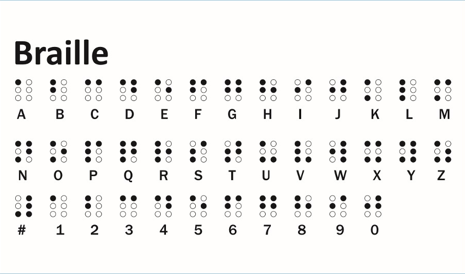
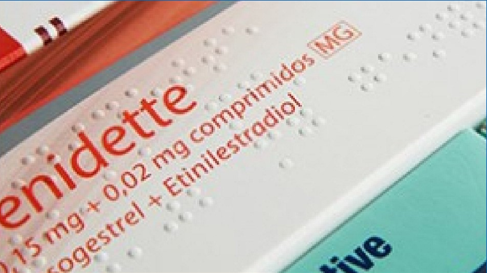
Braille Embossing helps visually impaired consumers identify products safely and independently. Everyday items like snacks, medicines, or cosmetics become easier to use. Even small businesses can implement it without much difficulty. This guide explains its importance, techniques, benefits, and tips for inclusive packaging. What is Braille Embossing in Packaging? Braille embossing is the process of creating raised dots on product packaging that represent Braille letters. These tactile dots let visually impaired people read important information by touch. Some common details included in Braille are: Product name Ingredients or contents Usage instructions Expiration dates Even though it might sound technical, the idea is simple: provide information that people with visual impairments can read. Adding Braille isn’t just about following regulations-it shows that your brand cares about inclusivity and all customers. It also makes the user experience better and packaging more thoughtful. Why Braille Embossing Matters Adding Braille to packaging isn’t just about accessibility-it’s about empowerment and safety: Empowers consumers to make decisions on their own Improves safety with clear instructions and accurate information Builds brand credibility by showing responsibility and inclusivity Many countries now legally require Braille on certain products, like medicines, food, and cosmetics. Following these rules not only ensures compliance but also builds trust with consumers. In today’s market, accessibility can also increase customer loyalty. Techniques of Braille Embossing There are several ways to add Braille to packaging, depending on your product, material, and budget: Heat Embossing (Thermoforming): Uses heat and pressure to create raised dots. Works well on flexible materials like plastic or foil. Offset Embossing: Combines printing and embossing, usually for cardboard or paper packaging. Digital Embossing: A high-tech method that allows precise, customizable Braille on many types of packaging. Beginners can start with simpler methods and explore advanced techniques later. Choosing the right method is important to make sure Braille is durable and readable. Benefits of Braille Embossing in Packaging Adding Braille has many advantages: Enhanced accessibility: Visually impaired consumers can use products independently Improved brand loyalty: Shows your company cares about inclusivity and social responsibility Regulatory compliance: Helps meet packaging laws locally and internationally Safety and accuracy: Reduces mistakes in product usage or consumption Besides these, Braille also communicates that your brand values ethical practices and cares for all customers, which strengthens your brand image. Tips for Beginners If you’re just starting, the process can feel overwhelming. Some practical tips: Place Braille in visible areas: Near product name or important instructions so it’s easy to find Check dot size and spacing: Proper sizing ensures tactile readability Choose the right materials: Make sure your packaging works with the embossing method you pick Test with real users: Ask visually impaired people to read the Braille to confirm it’s accurate Quick Beginner Checklist: Pick the embossing method that suits your packaging Keep placement consistent across products Verify readability before mass production What Information to Include in Braille Include the most essential details: Product name and brand Ingredients or key contents Usage instructions and expiration dates Providing this info makes products safer and easier to use for visually impaired consumers. It also shows your commitment to accessibility. Common Misconceptions About Braille Some myths still exist: “Braille is too expensive.” Modern technology has made it affordable for most products. “It’s only for visually impaired people.” It also improves your brand image and shows social responsibility. “It’s difficult to implement.” With some guidance, even beginners can add Braille without major problems. Knowing these helps brands adopt Braille confidently and effectively. Conclusion Braille embossing isn’t just a legal requirement-it’s a way to make packaging inclusive, ethical, and responsible. Proper implementation empowers visually impaired consumers while improving safety, usability, and trust. Beginners can start with basic techniques, focus on correct placement, and test readability to make it work smoothly. With careful planning, Braille embossing turns packaging into a tool that benefits both your customers and your brand.

Looking for a Braille Machine with Standard Marburg Medium?

Kindly fill out the form below to request more information.