Live Demo :

ROBUS INDIA at CHINA PRINT 2025 | Discover how we enhance your packaging production with precision and efficiency! | Meet us at Booths: W2-007 (Dayuan), A3-522 (YCIA), E4-001/002 (Xinxing) | 15–19 May 2025 | China International Exhibition Center (Shunyi Hall), Beijing | info@robusindia.com | +91 81783 09461 | www.robusindia.com

Food-Grade Carton Packaging: What Machines & Standards Indian FMCG Brands Must Follow
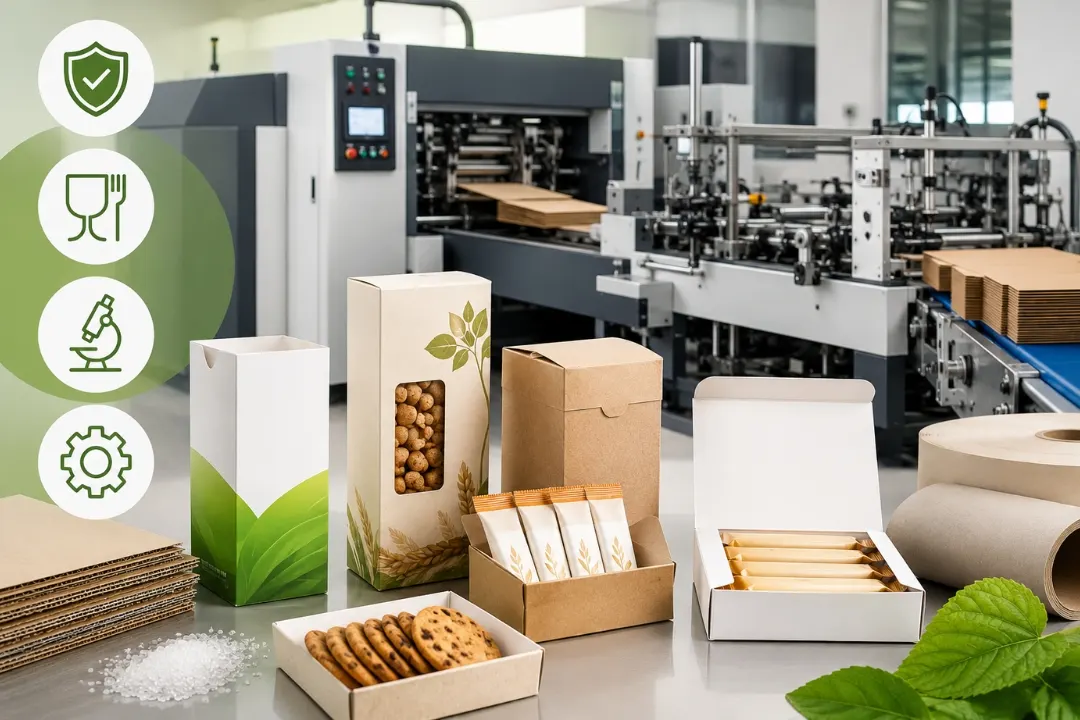
Food-Grade Carton Packaging production line featuring carton packaging machines, food-safe paperboard cartons, and FMCG packaging materials in a modern manufacturing facility.

Walk into any supermarket in India and pick up a box of biscuits, a cereal pack, or a tea carton. What you’re holding is a food-grade carton – and getting it right involves a lot more than printing a logo on cardboard. For Indian FMCG brands, this is where things get serious. FSSAI tightened its grip on packaging compliance in 2025, reclassifying food-grade packaging materials from “non-critical” to “critical” during inspections. That single regulatory shift changed how packaging lines need to be set up, what documentation brands must maintain, and what machines they actually need on the floor. This article breaks down the full picture: the standards you must meet, the machines that get you there, and where most brands quietly get it wrong.   What Makes a Carton “Food-Grade”? A carton qualifies as food-grade when the materials used – paperboard, adhesives, inks, coatings, and laminates – do not transfer harmful substances into the food product they contain. Under the Food Safety and Standards (Packaging) Regulations, 2018, all food contact materials in India must comply with Bureau of Indian Standards (BIS) specifications listed in the regulation’s schedules. For paper and paperboard, this means the raw substrate must be free from contaminants and meet the IS standards cited in Schedule I of the regulations. There are two categories worth understanding: Primary packaging: the carton surface in direct contact with food. Think of the inner lining of a cereal box or the base of a sugar sachet tray. Any coating, film, or adhesive here must be food-safe and tested accordingly. Secondary packaging: the outer carton that holds primary packs. These still need to meet general material standards but have slightly more flexibility. Where brands trip up: using standard commercial-grade boards sourced from regular paper mills without verifying IS compliance, then discovering the gap only during an FSSAI inspection.   The Regulatory Checklist Indian FMCG Brands Must Clear FSSAI (Packaging) Regulations, 2018: This is the primary law. It replaced the 2011 packaging and labelling regulations and covers migration limits, approved substances, and BIS references for each material type. The regulation sets an overall migration limit of 60 mg/kg or 10 mg/dm² for packaging materials. NABL-Accredited Certification: Since April 2025, FSSAI inspectors now check whether packaging materials carry a Certificate of Conformity issued by a NABL-accredited laboratory. This isn’t optional. Brands need to maintain these records at the facility and have them available during audits. BIS Standards for Paperboard: Boards used in food cartons must conform to IS specifications under Schedule I. The specific IS numbers vary by material type – your board supplier should be able to confirm which standard applies to their product. Food-Grade Inks and Adhesives: Printing must not appear on the inner surface that contacts food. The inks used on outer surfaces must also be approved food-grade formulations. Similarly, the adhesive used in folder gluers must be food-safe – a detail that gets overlooked more often than it should. Tamper Evidence: For certain categories like spices and milk powder, FSSAI requires tamper-evident closures. The gluing and folding quality of the carton directly affects whether this requirement is genuinely met or just nominally satisfied.   The Machines Behind a Compliant Food Carton Production Line Sourcing food-grade board is step one. Converting that board into finished, inspected, shelf-ready cartons at volume is the harder part – and it’s where the right machines make the difference. Automatic Die Cutter This is where flat sheets are cut and creased into the exact blank shape the finished carton will take. For food packaging, precision here is non-negotiable. A misaligned crease line means corners that don’t fold cleanly – and poorly sealed carton corners are a direct contamination risk for dry food products. High-speed automatic die cutters maintain cut-to-crease accuracy across long production runs, which is where most semi-automatic machines struggle. Automatic Folder Gluer After die cutting, blanks move to the folder gluer, where they’re folded into box shape and sealed with adhesive. For food-grade production, two things matter here beyond speed: the glue must be food-safe and applied consistently, and the machine must handle the board without contaminating it through oil, debris, or excessive mechanical contact. Modern servo-driven folder gluers handle this far better than older belt-driven systems. Brands producing mono cartons for cereals, biscuits, confectionery, and dry snacks will spend most of their machine budget here – and should. Automatic Flute Laminator For heavier FMCG cartons – the kind used for multi-pack products, larger grocery items, or anything that needs to survive retail shelf stacking – flute lamination adds a corrugated layer to the base sheet, increasing crush resistance and rigidity. The lamination adhesive used in food-adjacent applications needs to be specified carefully with your machine supplier. Inspection Systems (Inline) This is where a lot of smaller brands cut corners and later pay for it. Inline vision inspection systems – often available as integrated modules on folder gluers – check for print registration errors, missing perforations, incorrect glue patterns, and blank orientation issues. For food brands running high-volume lines, catching a bad batch before it reaches the warehouse is far cheaper than a recall.   Common Mistakes That Cause Compliance Failures Buying machines without checking glue compatibility: Folder gluers come set up for standard cold glue. If your application needs food-safe hot melt adhesive, this has to be specified at the time of purchase – retrofitting is expensive. Skipping the NABL test on board procurement: Many converters source board without confirming the supplier’s IS compliance documentation. In the post-2025 inspection environment, this is audit exposure. Treating secondary packaging as out-of-scope: Even cartons that don’t touch food directly can fail inspection if the materials don’t meet FSSAI general requirements. Ignoring ink migration on printed surfaces: Solvents from UV or solvent-based inks can migrate through paperboard into food. Using approved food-grade inks is a regulatory requirement, not just a best practice.   Getting the Production Setup Right For Indian FMCG brands scaling up packaging capacity, the decision isn’t just about machine speed – it’s about … Read more
Essential Maintenance Tips to Extend the Life of Packaging Machines

Packaging Machines

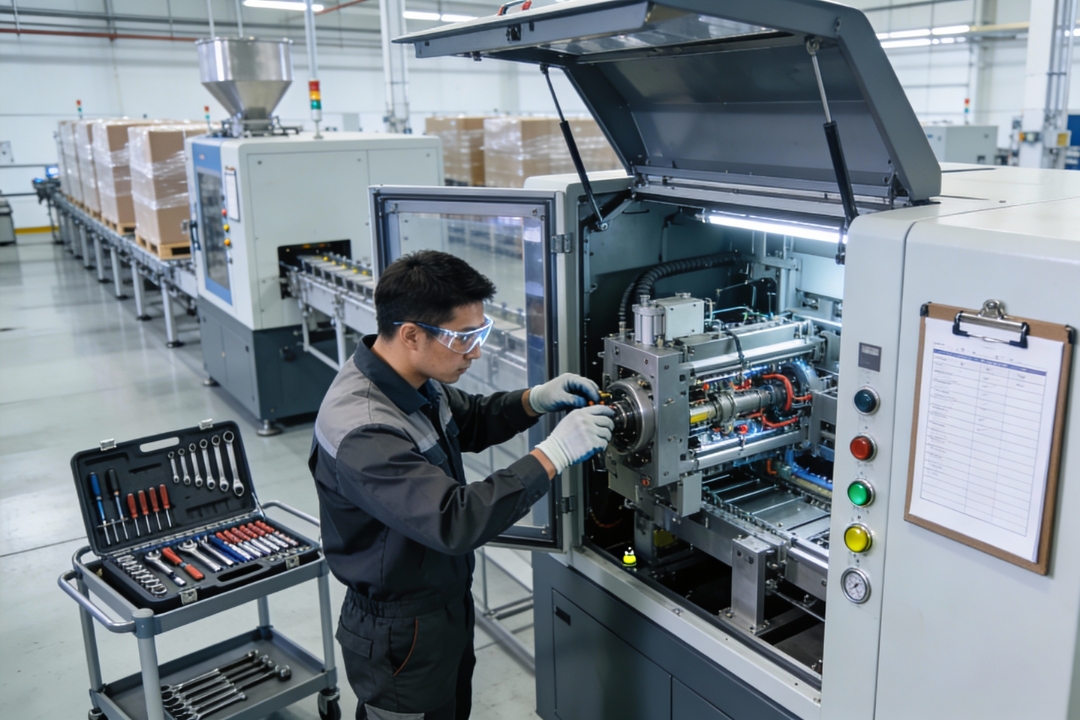
Packaging machines are very important in modern manufacturing, especially for making cartons, corrugated boxes, and post-printed materials. These machines directly affect productivity, output quality, and delivery times.  They can do things like die cutting, folder gluing, lamination, and finishing. But even the best industrial packaging machines can break down or not work as well as they should if they aren’t properly maintained.  A disciplined approach to maintenance not only reduces downtime but also extends machine life, makes them safer, and protects your investment. This guide offers useful maintenance tips based on real-world experience, designed for production environments.   Packaging Machines Require Preventive, Not Reactive Maintenance One of the most expensive mistakes manufacturers make is waiting until something breaks down before doing something. The goal of preventive maintenance is to find problems before they cause operational issues. Unplanned stoppages often lead to: Missed delivery commitments Increased scrap and rework Higher repair and replacement costs Preventive maintenance keeps packaging machines running smoothly and helps maintenance teams plan downtime, rather than dealing with emergencies.   Follow a Structured Daily, Weekly, and Monthly Maintenance Routine A well-defined maintenance schedule ensures nothing is overlooked and responsibilities are clear. Daily checks should include: Look for any loose parts or unusual noises during your inspection. Clean away dust, paper fibers, and any sticky residue you find. Check that lubrication levels are where they should be.   Weekly tasks may involve: Check the belts and chains, and make sure the feeder is properly aligned. Clean the glue systems and sensors thoroughly. Test all safety mechanisms to ensure they work correctly.   Monthly inspections should focus on: Electrical connections and control panels. Inspect wear parts, including rollers and bearings. Perform calibration and alignment checks. Documenting these actions helps identify recurring issues and supports compliance audits.   Keep Machines Clean to Avoid Hidden Wear and Failures Many people overlook the importance of cleanliness in industrial packaging. When debris builds up, it can accelerate equipment wear and reduce accuracy. Regular cleaning is especially important for: Dust affects the accuracy of cutting on die-cutting machines. Glue buildup on folder gluers can affect bond quality. Lamination machines, where leftover material can hurt rollers. A clean machine runs more smoothly, uses less energy, and maintains the quality of its output.   Use Manufacturer-Recommended Spare Parts and Lubricants Using spare parts that don’t fit or aren’t of good quality may seem like a good idea, but they often make things break down faster and put your safety at risk. Best practices include: Using genuine or manufacturer-approved spare parts Following recommended lubrication types and intervals Replacing worn components before they fail completely This method keeps important parts safe and makes sure that your packaging machines work as they should.   Train Operators to Identify Early Warning Signs Operators work with machines every day and are often the first to notice small changes. With the right training, they become a powerful tool for prevention. Common early warning signs include: Unusual noise or vibration Inconsistent feeding or alignment Glue application irregularities Sensor errors or repeated stoppages When operators report problems right away, small issues can be fixed before they become bigger.   Schedule Professional Servicing and Machine Health Audits Professional inspections add significant value, even when companies have strong practices in place. Technicians with experience can spot problems that daily operators can’t. Professional servicing typically covers: Precision calibration and alignment Performance benchmarking Software and control system checks Periodic checks of machine health help determine whether parts need to be repaired, replaced, or upgraded, which can extend the life of the equipment as a whole.   Environmental Conditions Matter More Than You Think Packaging machines are highly sensitive to the conditions under which they operate. Bad conditions can shorten parts’ lifespans and make them less accurate. Key factors to control include: Temperature and humidity levels Stable electrical supply and grounding Floor vibration and adequate spacing Maintaining the right conditions protects electronics, mechanical parts, and the finished product’s quality.   Digital Maintenance Tracking Improves Consistency Using digital logs and maintenance checklists helps people stay accountable and reduces the need to rely on memory. Benefits include: Automated reminders for servicing Clear maintenance history for audits Better coordination between teams Even basic digital tracking makes it much easier to keep up with preventive maintenance.   Conclusion To make packaging machines last longer, you don’t need to do complicated things. You just need to be consistent, disciplined, and knowledgeable. Structured routines, trained operators, real parts, and professional servicing all work together to reduce downtime and improve reliability.  Businesses get more work done, more predictable performance, and lower long-term costs when they view maintenance as a strategic investment rather than an operational burden. Well-maintained machines help build customer trust and drive long-term growth.   Frequently Asked Questions How often should packaging machines be serviced? Most industrial packaging machines work better when they are checked daily, inspected weekly, and serviced by a professional every 3 to 6 months, depending on how much they are used.   What is the most common cause of packaging machine breakdowns? Not doing preventive maintenance, allowing dust or glue residue to accumulate, and waiting too long to replace worn parts are all common causes of failure.   Can regular maintenance really extend machine life? Yes. Consistent maintenance can add several productive years to a machine’s lifecycle while reducing repair costs and unplanned downtime.

Automatic vs Semi-Automatic Packaging Machines: Which Is Right for You?

Automatic Packaging Machines - Robus India

Automatic Packaging Machines are changing the way modern packaging units work by making them faster, more consistent, and more efficient. Still, every business has different production needs, budgets, and growth plans. So, choosing between automatic and semi-automatic packaging machines is a strategic decision, not just a technical one. Understanding how these two options differ can help manufacturers ensure their machinery investments align with their long-term business goals.   Automatic Packaging Machines – When Automation Makes Sense Automatic packaging machines perform packaging tasks with minimal manual labor. After setup, they take care of feeding, folding, gluing, and finishing in a steady, ongoing process. These machines are made for high-volume production settings where speed and consistency matter most. Key benefits include: Fast production speeds make it easier to handle large or repeat orders. Consistent quality is maintained throughout long production runs. There is less need for highly skilled manual labor. These systems work well with fully integrated packaging lines. These machines work well when you have a tight production schedule and need to keep downtime to a minimum. Best suited for: High-volume carton and corrugated packaging manufacturers. Businesses serving FMCG, pharmaceutical, or export markets. Operations are looking to increase their production in the future.   Understanding Semi-Automatic Packaging Machines Semi-automatic packaging machines use both automation and human input. For example, tasks such as feeding or aligning are done by hand, while the machine handles the main packaging work. This hybrid approach offers greater flexibility and lower entry costs. Key advantages include: Requires less upfront investment than fully automated systems. Setup is easier and maintenance is simpler. Adapts more easily to different box sizes and small batches. Gives operators more control for custom packaging tasks. Businesses that handle many different orders rather than standardized, high-volume production often prefer semi-automatic solutions. Best suited for: Small to mid-sized packaging units. Companies handling frequent design or size changes. Businesses that are slowly moving toward automation.   Key Differences Between Automatic and Semi-Automatic Machines Although both machine types fulfill the same purpose, their operational impacts differ significantly.   Production speed Automatic machines deliver high output with minimal interruptions. Semi-automatic machines run at moderate speeds, depending on the operator.   Capital investment Automatic systems require higher upfront costs. Semi-automatic machines are more budget-friendly.   Labor involvement Automatic machines significantly reduce manual handling. Semi-automatic machines require trained operators.   Operational flexibility Automatic machines work best when tasks are standardized. Semi-automatic machines can easily adjust to different needs.   Factors to Consider Before Choosing the Right Machine Selecting the right packaging machine depends on operational priorities rather than automation level alone. Key factors to evaluate include: Daily and monthly production volume. The amount of floor space you have and how it is arranged. Your budget limits and what return on investment you expect. Availability of skilled operators. Your plans for expanding and automating in the future. Understanding these factors will help you select a machine that meets your current needs and supports future business growth.   Making the Right Choice for Your Packaging Business In modern packaging operations, both fully automated and partially automated packaging machines are very important.  The best choice depends on how often the machine will be used, how hard the jobs are, and what the business plans to do next. Automation can help manufacturers make things faster, bigger, and more consistently. On the other hand, businesses that value flexibility and controlled investment may find semi-automatic solutions to be more useful.  The key to long-term efficiency is ensuring that machine capabilities align with the operational strategy.   FAQs 1. Are automatic packaging machines suitable for small businesses? Yes, they can be, as long as production volumes are high enough to make the investment worthwhile and you plan to use them regularly.   2. Do semi-automatic machines compromise on packaging quality? No. With proper setup and trained operators, output quality remains high, though production speed may be lower.   3. Which option offers better long-term ROI? ROI is influenced by how much you use the equipment, the size of your production, labor costs, and your growth plans, not just the type of machine you choose.

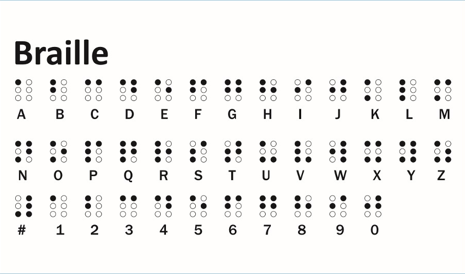
Looking for a Braille Machine with Standard Marburg Medium?

Kindly fill out the form below to request more information.