
Live Demo :

ROBUS INDIA at CHINA PRINT 2025 | Discover how we enhance your packaging production with precision and efficiency! | Meet us at Booths: W2-007 (Dayuan), A3-522 (YCIA), E4-001/002 (Xinxing) | 15–19 May 2025 | China International Exhibition Center (Shunyi Hall), Beijing | [email protected] | +91 81783 09461 | www.robusindia.com

Emerging Packaging Trends in India Every Brand Should Follow
Packaging Trends in India - Robus India

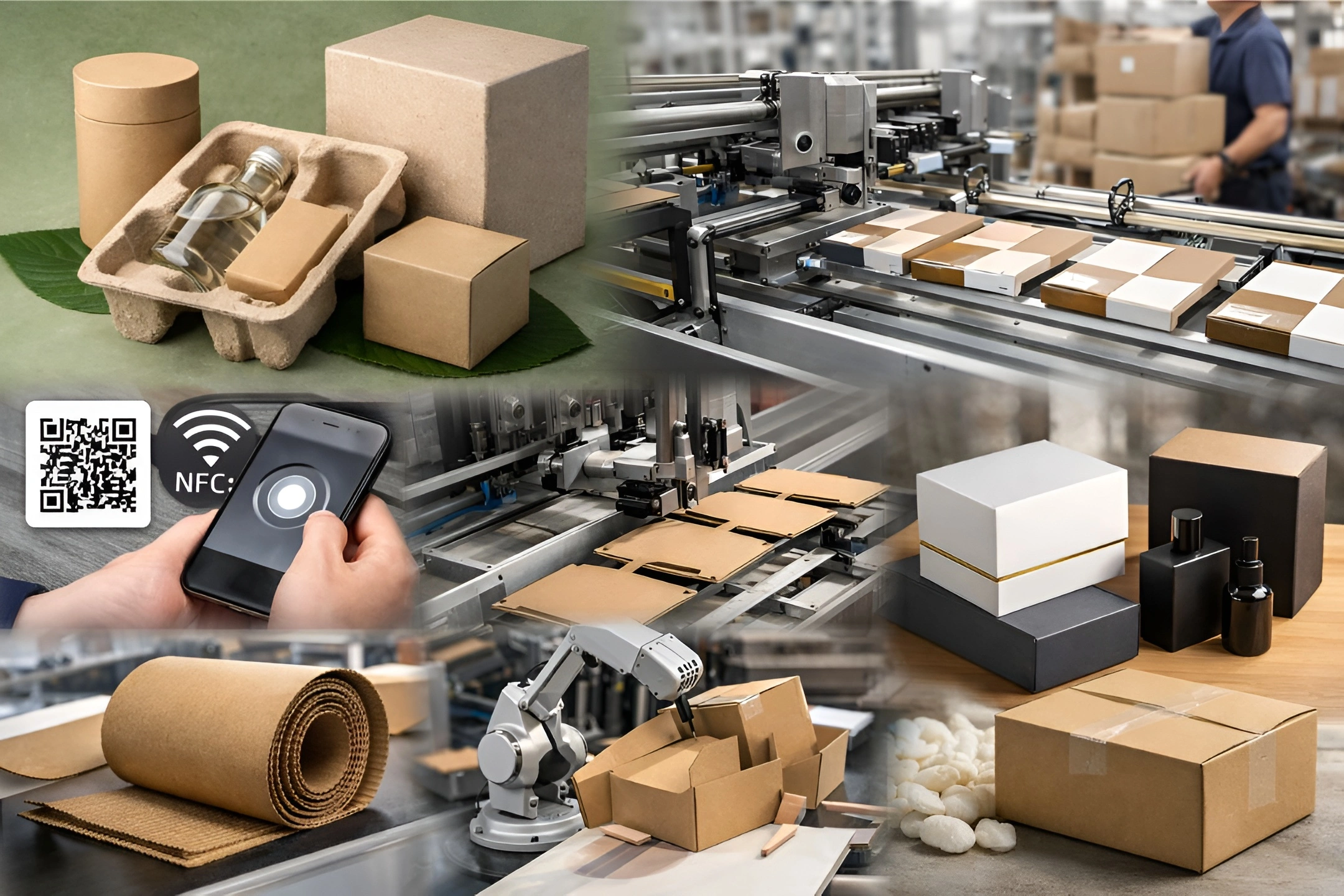
Packaging trends in India are shifting from simple product protection to high-tech, sustainable brand storytelling.  As we move through 2026, the Indian market is witnessing a massive transformation driven by conscious consumerism and the rapid growth of e-commerce. For brands, staying relevant means moving beyond the “standard box” and embracing innovations that offer both aesthetic appeal and operational efficiency. At Robus India, we see firsthand how top-tier brands are upgrading their production lines to meet these new standards. Whether you are in FMCG, pharmaceuticals, or luxury retail, these trends are no longer optional – they are the new benchmark for success.   Why Are Sustainable Materials No Longer Optional? The push for sustainable packaging materials has moved from a marketing “extra” to a core business requirement. With stricter government regulations on single-use plastics and a consumer base that actively seeks “green” labels, brands must adapt. Mono-material Packaging: Using a single type of polymer or fiber makes recycling significantly easier and aligns with the circular economy.   Fiber-based Solutions: We are seeing a surge in high-strength corrugated designs and moulded pulp trays replacing plastic inserts.   Waste Reduction: Precision is key. Advanced automated packaging machinery minimizes material waste during die-cutting and folding.   How Is Automation Redefining the Packaging Trends in India? Packaging Trends in India are increasingly defined by the transition from manual labor to high-speed, error-free automation. In a high-demand market, brands cannot afford the bottlenecks of traditional production. High-Speed Processing: Modern machines, like the Robus Excellence Series, allow converters to process complex carton designs at speeds of up to 350 meters per minute.   Consistency & Quality: Automation removes the “human error” factor, ensuring every crease and glue line is perfect, which is vital for luxury rigid boxes and pharmaceutical safety.   Lower Operational Costs: While the initial investment in smart packaging solutions is higher, the long-term reduction in rejections and downtime offers a much higher ROI.   Can Smart Packaging Bridge the Gap Between Brands and Consumers? Packaging is now a digital touchpoint. In India, where smartphone penetration is at an all-time high, smart packaging solutions are the ultimate tool for consumer engagement. Interactive QR Codes: Brands are using these for everything from authenticating expensive spirits to providing farm-to-table traceability in the food sector.   NFC & RFID: These technologies help in high-level inventory tracking and prevent counterfeiting, a major concern for the Indian pharma and luxury sectors.   Engagement: A simple scan can lead a customer to an AR experience or a loyalty program, turning a one-time buyer into a brand advocate.   Is Minimalism the Secret to High-End Brand Differentiation? “Loud” packaging in a crowded retail environment is giving way to minimalist, eco-friendly branding. This “less is more” approach signals premium quality and environmental responsibility. Tactile Finishes: Instead of busy prints, brands are using Hot Foil Stamping and embossing to create a sensory experience that feels expensive.   Clean Typography: Modern Indian brands are opting for bold, simple fonts and earth-toned color palettes that emphasize “natural” or “authentic” ingredients.   Structural Innovation: Specialized carton packaging innovations are creating unique box shapes that stand out on the shelf, giving brands a distinct physical identity.   How Does E-commerce Specific Packaging Reduce Returns? With the e-commerce sector in India projected to hit $18.8 billion by 2030, packaging must be “courier-proof.” E-commerce packaging trends now focus on “Right-size” packaging to save costs and protect products. Frustration-Free Design: Boxes that are simple to open but difficult to tamper with during transit.   Durability: Using high-speed automatic flute laminators ensures that corrugated boxes maintain their structural integrity throughout the last-mile delivery.   Sustainability in Shipping: Reducing “void fill” (the air or plastic peanuts inside a box) by creating custom-sized cartons for every product.   Conclusion Adapting to the latest packaging trends in India is about more than just aesthetics; it’s about choosing the right technology to bring those designs to life.  From sustainable packaging materials to the precision of automated packaging machinery, the future belongs to brands that prioritize both the planet and the consumer experience.

Latest Trends in Hot Foil Stamping Technology

Latest Trends in Hot Foil Stamping Technology

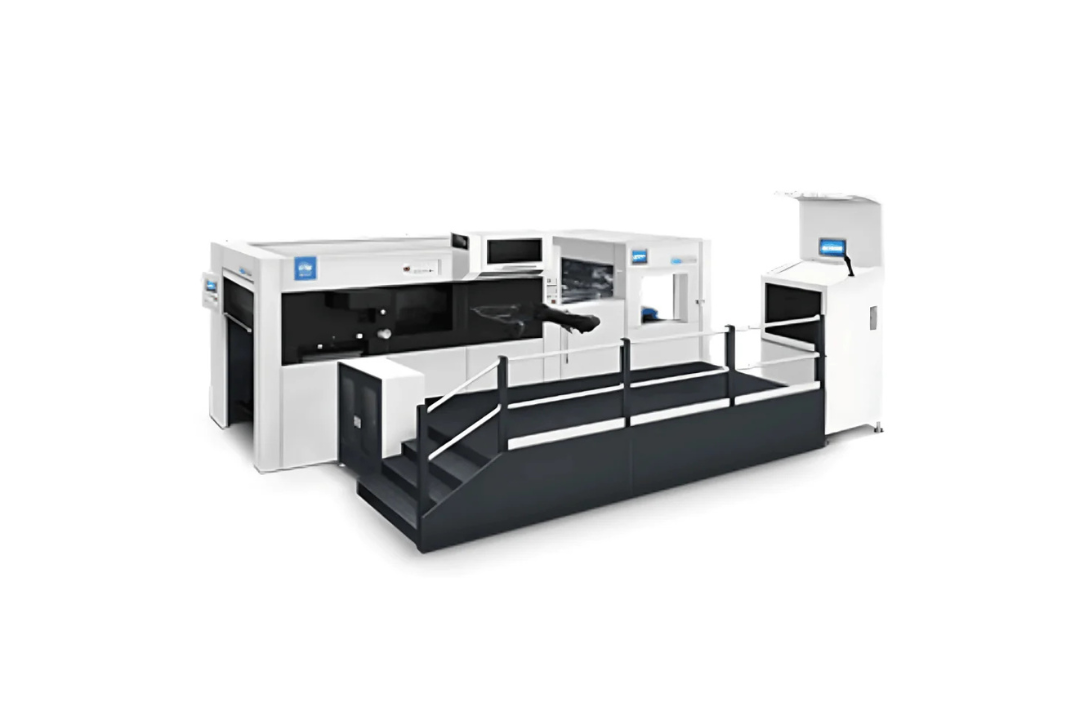
Introduction Hot foil stamping is a popular finishing process used in the printing and packaging industry to add luxurious metallic or pigmented designs to materials like paper, plastic, and fabric. The process involves applying heat and pressure to a foil, which transfers the metallic finish onto the substrate. Over the years, hot foil stamping has evolved, integrating new technologies and techniques to enhance its effectiveness and versatility. In this blog, we will explore the latest trends in hot foil stamping technology, examining how advancements are improving the quality, speed, and sustainability of this popular process. Whether you’re in the printing industry, packaging, or graphic design, understanding these trends will help you stay ahead of the competition and enhance your product offerings. Trend 1: Digital Hot Foil Stamping One of the most significant trends in recent years is the shift toward digital hot foil stamping. Traditional hot foil stamping required the use of custom-made dies for each design, which was both time-consuming and expensive. However, digital hot foil stamping technology has eliminated the need for dies, allowing for more flexibility, speed, and cost-efficiency. Benefits of Digital Hot Foil Stamping: Reduced Setup Time and Costs: Without the need for physical dies, setup time is drastically reduced, and there’s a significant cost saving in materials and labor. Greater Design Flexibility: Digital printing allows for more complex designs, such as intricate patterns or fine details that were previously impossible with traditional stamping. Shorter Run Production: Digital hot foil stamping is ideal for small print runs and customized products, enabling businesses to produce high-quality products with reduced waste. As demand for personalization and short-run printing increases, digital hot foil stamping is set to become more widely adopted across various industries. Trend 2: Eco-Friendly Foil Options With increasing pressure to adopt more sustainable practices, the eco-friendly foil is another trend gaining traction in the hot foil stamping industry. Traditional foils often contain harmful chemicals and require solvents for application, leading to environmental concerns. However, newer eco-friendly foils are now available, which are less toxic and reduce environmental impact. Features of Eco-Friendly Foils: Water-Based Adhesives: Eco-friendly foils use water-based adhesives instead of solvents, making them less harmful to the environment and easier to handle. Recyclable and Biodegradable Materials: These foils are made from recyclable or biodegradable materials, contributing to a circular economy and reducing landfill waste. Reduced Carbon Footprint: Manufacturers are now offering foils that are produced with a lower carbon footprint, further promoting sustainability in the printing and packaging industries. The adoption of eco-friendly foils is driven by regulatory pressures and consumer demand for more sustainable products, making it a key trend for companies looking to minimize their environmental footprint. Trend 3: Increased Use of Custom Foil Colors and Finishes Gone are the days when gold and silver were the only choices for foil stamping. Today, manufacturers are offering a wide range of custom foil colors and finishes, allowing businesses to create more dynamic and unique designs. Whether it’s matte, gloss, or holographic finishes, these options enable endless design possibilities. Advantages of Custom Foil Colors and Finishes: Enhanced Brand Identity: Businesses can now create customized foil finishes that align with their brand colors, giving them a competitive edge in packaging and promotional materials. Aesthetic Appeal: Custom foil finishes, such as holographic foils, give products a luxurious and eye-catching appearance, adding value to the brand and attracting consumer attention. Versatility Across Materials: These foil options can be applied to a wide variety of substrates, from paper to plastic, making them suitable for different applications, from business cards to luxury packaging. The ability to offer a variety of foil finishes allows businesses to stand out in the market by providing more creative and personalized options for their customers. Trend 4: Integration with Smart Packaging Incorporating smart technologies into packaging is an emerging trend across various industries. Hot foil stamping is now being integrated with smart packaging technologies such as QR codes, NFC (Near Field Communication), and augmented reality (AR) features to enhance customer engagement. How Smart Foil Stamping Works: QR Codes and NFC: Foil stamping can be used to highlight QR codes or NFC chips on packaging, enabling consumers to scan or interact with the product through their smartphones. This interaction can provide access to exclusive content, product information, or promotions. Augmented Reality (AR): Foil stamping can also be used to create AR experiences on product packaging. When scanned with an AR app, the foil-printed design can trigger interactive digital content, such as 3D product visualizations or virtual tours. Anti-Counterfeiting: Hot foil stamping is also being used to add security features to packaging, such as holographic foils, to help combat counterfeiting and protect brands. The integration of hot foil stamping with smart packaging adds a layer of interactivity, security, and consumer engagement that helps brands connect with their audience in a more innovative and personalized way. Trend 5: High-Speed Foil Stamping Machines In the fast-paced world of printing and packaging, speed is essential to meet growing demands. High-speed hot foil stamping machines have been developed to increase productivity without sacrificing quality. These machines are designed to stamper foil faster while maintaining precision, making them ideal for large-scale operations. Benefits of High-Speed Machines: Increased Efficiency: High-speed machines can complete jobs faster, reducing production time and increasing the volume of products produced in a shorter period. Lower Operational Costs: By increasing speed, manufacturers can reduce labor costs and machine downtime, leading to a more cost-effective production process. Better Quality Control: High-speed machines are designed with enhanced control systems that ensure consistent foil application, improving overall quality. As businesses strive for higher efficiency and faster turnarounds, high-speed foil stamping machines will continue to be a crucial part of the industry. Trend 6: Automation in Hot Foil Stamping Automation in the printing industry has been a growing trend, and hot foil stamping is no exception. Automated hot foil stamping machines are now being developed to streamline the entire process, reducing human error and enhancing production consistency. How Automation Benefits Hot Foil … Read more

Looking for a Braille Machine with Standard Marburg Medium?

Kindly fill out the form below to request more information.