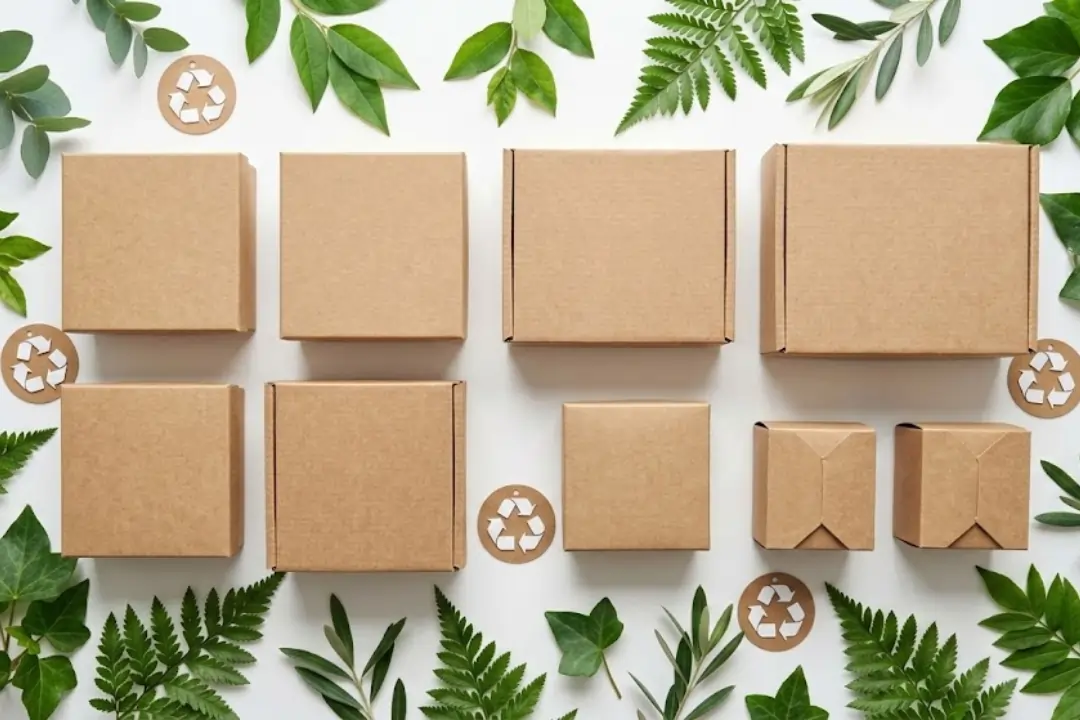
Eco-friendly packaging boxes are changing how businesses think about packaging. What started as a choice for a handful of conscious brands has now become a real shift – one that touches every industry from pharma to e-commerce.
Consumers are more aware of packaging waste. Governments are tightening rules on plastics. Businesses that haven’t explored greener options are starting to feel pressure from both sides.
Eco-Friendly Packaging Boxes: What Is Driving the Change?
Packaging waste is one of the most visible environmental problems today. And in India, the push toward greener packaging is coming from several directions at once:
- Regulations: India’s Extended Producer Responsibility (EPR) framework and BIS guidelines are encouraging manufacturers to adopt recyclable carton packaging and biodegradable materials.
- Consumer preference: Urban buyers increasingly prefer brands that use environmentally friendly packaging, which shapes purchase decisions.
- Export standards: Many international buyers now expect suppliers to meet basic sustainability requirements.
Businesses that adapt early are not just staying compliant – they are building a reputation that pays off over time.
Real Benefits of Switching to Sustainable Packaging
There are clear, practical reasons to make the switch – beyond just being responsible.
- Lower shipping costs: Lightweight eco packaging for businesses cuts freight costs per shipment.
- Less production waste: Precision-made green packaging materials mean fewer off-cuts and rejected units.
- Better shelf appeal: Customers associate paper-based packaging with quality and care – it builds trust quietly.
- Easier compliance: Adopting recyclable carton packaging now means less disruption when new rules come in.
These add up to real savings and a stronger market position.
What Actually Makes a Packaging Box Eco-Friendly?
The term gets used loosely. Here is what it should actually mean:
- Material: Biodegradable packaging boxes use FSC-certified paperboard, recycled kraft, or natural fibre – all of which break down without leaving harmful residues.
- Inks and coatings: Water-based or soy-based inks keep the box safe for recycling.
- Design: A good sustainable carton box uses only as much material as the product needs – nothing extra.
- How it’s made: Precision die cutters and folder gluers, like those from Robus India, cut material cleanly and generate less scrap per batch.
Every one of these factors reduces the footprint across the full production run.
How Packaging Machines Support Greener Production
Good materials alone are not enough. If your machines are imprecise, you will still generate excess scrap and waste energy.
The right equipment makes a direct difference:
- Precise die cutting reduces paper wastage significantly compared to older setups.
- Servo-controlled folder gluers deliver consistent output at speed – less energy per finished box.
- Automatic flute laminators bond paper-based packaging solutions cleanly, without over-applying adhesive.
Robus India’s folder gluers, die cutters, and flute laminators give manufacturers the tools to produce folding carton packaging at a commercial scale – with low waste and high output.
Which Industries in India Are Already Switching?
A few sectors are ahead of the rest:
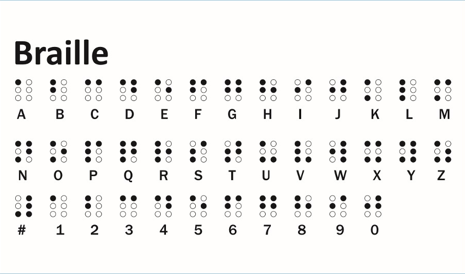
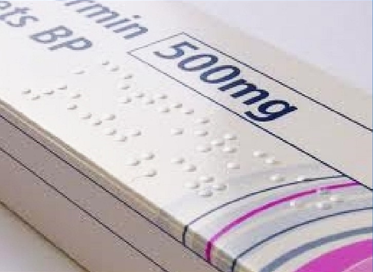
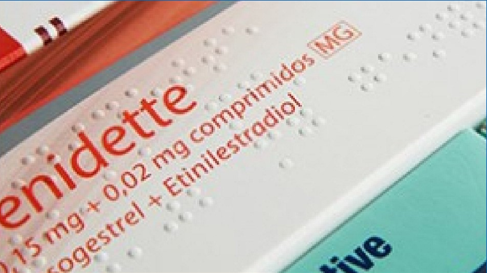
- Pharmaceuticals: Regulatory standards and Braille compliance pushed this sector toward folding cartons early on.
- Food and beverage: Plastic trays and wraps are being replaced with recyclable cartons across retail and delivery.
- E-commerce: Online brands are shifting to lighter, fully recyclable box designs to cut packaging waste.
- Cosmetics: Premium sustainable carton boxes are now a genuine selling point on retail shelves.
India’s packaging market is growing fast. Brands that build sustainable practices now will be better positioned to compete – locally and globally.
To Wrap Up
The move toward eco-friendly packaging reflects a real, lasting change in how businesses, consumers, and regulators think about materials and waste.
Robus India helps manufacturers across India make this transition practical. Our folder gluers, die cutters, and lamination machines are built to handle paper-based packaging at high speed with minimal waste.
Frequently Asked Questions
What are eco-friendly packaging boxes made of?
Most are made from FSC-certified paperboard, recycled kraft paper, or corrugated fibreboard. They use water-based inks and skip plastic coatings – making them straightforward to recycle or compost after use.
How do eco-friendly packaging boxes help the environment?
The materials biodegrade without releasing harmful chemicals. They are lighter than plastic, which cuts transport emissions. And because they are recyclable, they stay out of landfills far longer than standard packaging.
Are eco-friendly packaging boxes cost-effective for businesses?
Generally, yes. Some sustainable materials cost slightly more upfront. But businesses save on shipping (lighter boxes), material waste (precision manufacturing), and long-term compliance. Most find the numbers work in their favour after the first year.