Live Demo :

ROBUS INDIA at CHINA PRINT 2025 | Discover how we enhance your packaging production with precision and efficiency! | Meet us at Booths: W2-007 (Dayuan), A3-522 (YCIA), E4-001/002 (Xinxing) | 15–19 May 2025 | China International Exhibition Center (Shunyi Hall), Beijing | [email protected] | +91 81783 09461 | www.robusindia.com

Sustainable Packaging Trends in India & Their Impact on Machine Design

carton packaging machines

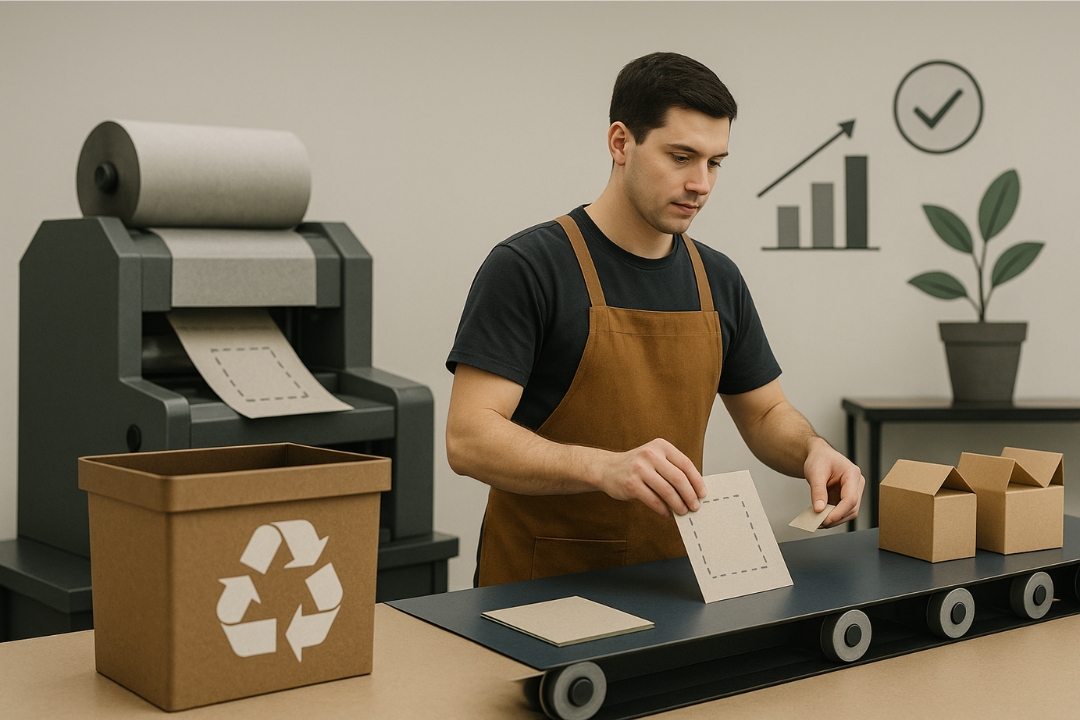
In the packaging industry, sustainability is no longer a buzzword in India, but it is a requirement. The shift to environmentally friendly packaging is changing the way products are prepared, packed and delivered due to the growing environmental consciousness, government policies and conscious consumers The packaging market of India is a rapidly developing industry with a total value of more than USD 75 billion.  The Plastic Waste Management Rules and single-use plastic bans have made manufacturers adopt materials and machines that are environmentally friendly in the future. Key Sustainable Packaging Trends in India India’s sustainability wave is led by a few powerful trends shaping design and production: Biodegradable and Compostable Materials: Corn, sugarcane or starch bioplastics are being used instead of conventional plastics. These substances are also biodegradable and minimize landfill wastes. Paper and Fiber-Based Packaging: Recyclable paper pouches, molded trays, and corrugated boxes are coming into play, particularly in e-commerce and the food industry. Lightweight Packaging: Reducing material thickness lowers transport costs and carbon emissions while improving efficiency. Reusable and Refillable Options: A variety of FMCG brands have refill packs and reusable containers to reduce single-use waste. Smart Labeling and Digital Printing: QR codes, RFID tags, and digital prints assist in monitoring packaging, minimizing errors, and reducing waste. These trends are making manufacturers redesign machines capable of working with new materials and formats. How Sustainability is Shaping Machine Design Sustainable packaging does not only concern materials, but it is changing the engineering of the machines used to package. Modern machines must now balance eco-friendliness with precision, flexibility, and speed. Handling New Materials Eco-friendly materials behave differently. The paper laminates are easily torn, whereas bioplastics require particular heat and sealing conditions. To retain quality, machines are currently being constructed with softer handling systems, better tension regulation and adjustable sealing technologies. Energy-Efficient Systems Sustainability extends to energy use. New-age packaging machines have servo-driven motors, energy saving motors, and intelligent sensors to minimize power consumption and lower the cost of operation. This not only reduces carbon emissions but also enhances the cost-effectiveness of production. Modular and Flexible Design Modern packaging lines need to be versatile. Manufacturers are allocating resources towards modular machines that can seamlessly transition between materials-such as from paper to compostable plastic-without requiring significant reconfiguration. This adaptability enables brands to explore various sustainable packaging options. Digital Integration and Automation The implementation of IoT technology for monitoring and predictive maintenance is transforming the efficiency of packaging. Sensors monitor temperature, pressure, and sealing efficiency in real time, thereby guaranteeing minimal material waste. Automation and data-driven control make packaging lines smarter and more sustainable. Challenges for Machine Designers Designing for sustainability isn’t simple. Biodegradable and recycled materials frequently exhibit reduced strength, diminished barrier properties, or inconsistent thickness. Machine manufacturers must therefore innovate in: Material supply and cutting mechanisms Temperature and pressure regulation Waste recovery and recycling throughout the manufacturing process Striking a balance between environmental sustainability, productivity, and cost-effectiveness continues to be a significant challenge. Partnerships among machine designers, packaging engineers, and material scientists are crucial for addressing these technical challenges. The Future: Green Meets Smart India’s requirement for sustainable packaging is projected to increase by 25% or more each year over the coming years. As an increasing number of companies pledge to achieve net-zero objectives, the design of machinery will adapt to facilitate environmentally friendly manufacturing via automation, digital intelligence, and enhanced energy efficiency. The next generation of packaging machinery will be: More Intelligent – employing AI and IoT for the enhancement of processes More Environmentally Friendly – constructed with recyclable materials and energy-efficient systems More Adaptable – capable of managing a range of sustainable resources Conclusion Sustainable packaging is reshaping India’s manufacturing landscape. It is not solely focused on minimizing plastic; it involves re-evaluating design, processes, and technology. As manufacturers of machinery continue to innovate in order to effectively manage eco-friendly materials, they are not only minimizing their environmental footprint but also establishing new benchmarks for efficiency and innovation. A packaging ecosystem that’s smarter, cleaner, and built for the future of a sustainable India.

Semi-Automatic vs. Automatic Die Cutting: Which One is Best for You?

die cutting machines -carton packaging India

In today’s sharp-transit packaging and printing industry, die cutting machines play an important role in shaping, cutting and finishing materials such as coaches, corrugated boxes and labels.  With increasing consumer demand and tight deadlines, businesses should select between semi-automatic and automatic die cutting machines. But which option is best for you? Find the features, benefits and differences to help make the right decisions. What is Die Cutting and Why Does It Matter? Die cutting is a process that uses a special tool (die) to cut, shape or emboss the material. It is widely used in packaging, printing and labelling to ensure frequent and professional results. Choosing the right machine effect: Efficiency – Faster output with fewer errors. Cost-effectiveness – Reduced material waste. Product quality – Sharp, precise, and uniform cuts. Your choice of the machine can directly affect your production speed, operational costs and ability to meet customer expectations. Understanding Semi-Automatic Die Cutting Machines Key Features Manual feeding with automated cuttings. Compact design with simple operation. Less initial investment than completely automated machines. Pros Cheap for small to moderate businesses. Great flexibility for custom, low volume, or short -term jobs. Easy and low training is required to be maintained. Low power consumption, causing it to cost more. Cons The speed of slow production compared to automated models. Manual labour is required for feeding and collection. Large -scale production is less suitable. Understanding Automatic Die Cutting Machines Key Features Completely automated process: feeding, cutting and stripping. High-speed cuttings for high speed, mass production. Equipped with advanced security and monitoring systems. Pros Extraordinary productivity and consistent results. Minimum dependence on manual labour. High-vantage packaging and ideal for tight time frames. Better efficiency reduces long -term operating costs. Cons High upfront investment. Skilled operators and regular maintenance are required. Large footprints, demand for more factory space. Key Differences Between Semi-Automatic and Automatic Die Cutting When comparing semi-automatic and automatic die cutting machines, several important differences stand out: Speed: Semi-automatic machines work at a moderate speed as they require manual feeding, while automatic die cutters run very fast for automatic feeding and stripping systems. Cost: Semi-automatic machines come with low initial investment, making them ideal for small and medium businesses. Automatic die cutters require a higher advance cost, but they provide better returns on investing (ROI) in a long time through high productivity and low labour costs. Labour requirement: Semi-automatic machines depend on manual operators for feeding and collecting the content, while automatic die cutters reduce manual participation, both time and manpower. Best use case: semi-automatic machines are best suited for people handling small to medium businesses or small production runs. On the other hand, automated die cutters are the right choice for mass manufacturers, which require frequent output and high-capacity production. Which Die Cutting Machine is Best for You? When to Choose Semi-Automatic If you run a small or medium packaging business. If your projects include low runs or custom designs. If you have a limited budget or small production place. When to Choose Automatic If you manage large -scale packaging operations. If you need to fulfil bulk orders under a tight deadline. If your goal is maximum efficiency, stability and scalability. The Future of Die Cutting in Packaging The packaging industry is moving towards smarter, faster and greenery technologies. Future trends include: AI-operated die cutter for accurate and low waste. IOT-capable machines for real-time monitoring and future maintenance. Sustainable die cutting solutions that support recycled and environmentally friendly materials. Investing in the right machine today ensures your business stays competitive tomorrow. Conclusion Both semi-automated and automated die cutting machines have their own strength. Semi-liberated models are perfect for small businesses that are looking for strength and flexibility, while automatic machines largely require speed, efficiency, and stability for manufacturers. The best option eventually depends on your budget, production needs and long -term development goals. Whatever path you choose, die cutting will play a central role in the future of automation packaging.

The Future of Packaging in India: How Automation is Driving Growth

Future of Packaging Robus India

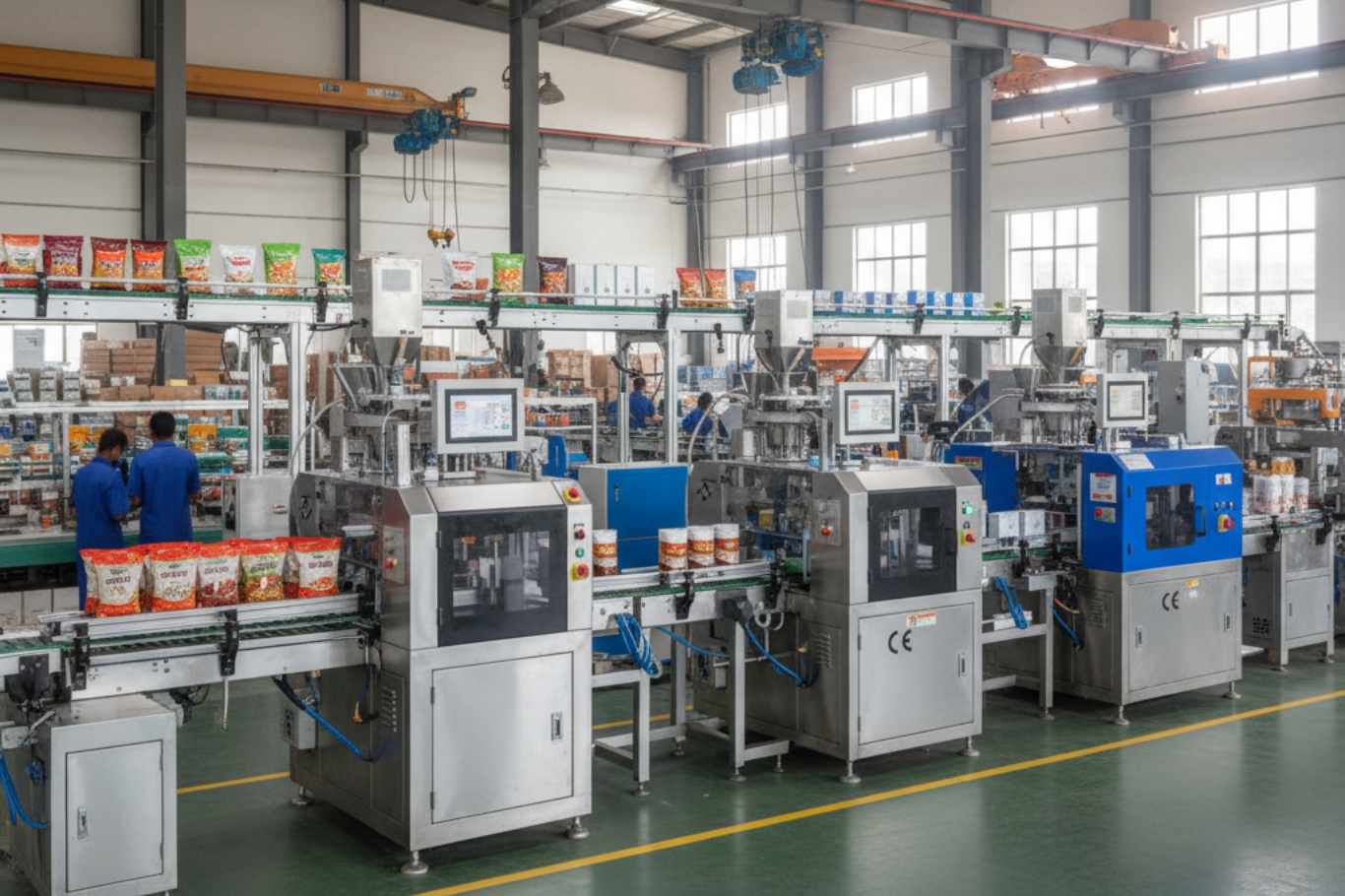
The packaging industry in India is experiencing unprecedented growth. Populated by areas such as FMCG, e-commerce, food and beverages, and pharmaceuticals, packaging is no longer about security-it is about efficiency, branding and stability. As consumer demand increases and competition increases, packaging has become an important driver of automation development. Companies are now embracing advanced machines and smart systems to stay ahead in this developed market. The Current State of India’s Packaging Industry India’s packaging sector is one of the fastest growing in the world, expected to reach $ 204.81 billion by 2025. This growth has increased due to urbanization, increasing disposable income and bounce in online shopping. However, the industry also faces challenges: Cost pressure due to ups and downs in raw material prices. With a push for stability anxiety, recycled and environmentally friendly solutions. Traditional processes that struggle to meet modern demands for speed and stability. This is where automation steps in as a transformative force. Why Automation is Transforming Packaging Automation refers to the use of advanced machinery, robotics, and software to streamline packaging operations. Key benefits include: Speed ​​and efficiency – rapid production cycle. Accuracy and Consistency – Each unit meets quality standards. Low cost – low wastage, low labour dependence. Scalability-It is easy to handle production on a large scale. Automation not only addresses industry challenges but also sets new benchmarks for performance. Key Automation Technologies Shaping the Future Automatic Die-Cutting Machines Automatic die-cutters ensure accurate cuttings with minimal waste. This helps brands to reduce costs while maintaining the quality and stability of the products. Folder Gluers and Stitchers Essential for e-commerce packaging, these machines ensure strong, accurate folding and gluing of the carton, enabling the mass production of durable boxes. Robotic & AI-Driven Packaging Solutions Robotics and AI systems are being used for sorting, packing, labelling and even quality inspection. They improve accuracy and reduce human errors, especially in high-volume industries. Lamination & Hot Foil Stamping Automation Advanced laminator and foil stamping machines enhance beauty and durability. They allow brands to separate the products with premium finish, ensuring prolonged packaging. Industry-Specific Impact of Packaging Automation E-commerce & Retail Daily sent with millions of parcels, speed and accuracy are non-pervionery. Automatic folders help gluers and die-cotters to meet growing demand. Food & Beverage The automation consumer ensures automated, tampering-proof and safe packaging, meeting both safety standards and government regulations. Pharmaceuticals High precision is important. Automatic machines enable Braille embossing, serial coding and anti-counterfeit packaging, which ensure compliance with global standards. How Automation Supports Sustainability Sustainability is no longer optional; it’s a necessity. Automation plays a key role in: Reducing material waste through precision cutting and gluing. Optimizing energy use, lowering carbon footprints. Supporting recyclable materials, helping brands shift towards eco-friendly packaging. Automation helps companies balance growth with responsibility. Challenges in Adopting Automation in India While automation is promising, adoption is not without hurdles: High early investment – Advanced machines require significant advance costs. Skill interval – Operators require training to handle modern technology. Resistance to change – traditional manufacturers can hesitate to change manual processes. Despite these challenges, forward-thinking businesses see automation as a long-term investment with strong ROI. The Road Ahead – Future of Packaging in India The future is clear: Packaging in India will be smarter, faster and more durable. Some emerging trends include: AI & IoT Integration – Real-time monitoring and predictive maintenance. Smart Sensors – Improved quality control and efficiency tracking. Fully Automated Lines – End-to-end automation from cutting to packing. As India keeps itself as a global manufacturing centre, packaging will play a central role in automation driving development and competition. Conclusion The Indian packaging industry is on the verge of change. Automation is not just a benefit – it has become a requirement for existence and success. From die-coting and folder to robotics and smart sensors, ensures automation efficiency, quality and stability. The future of packaging in India is automatic, innovative and durable. Today, the hugging businesses will lead the industry tomorrow.

5 Common Packaging Challenges and How Robus India Machines Solve Them

Robus India Machines

Robus India is aware that packaging in the modern competitive market is not only about product protection, but also a great branding, logistics and customer experience tool. It is pharmaceuticals, FMCG, or e-commerce, and companies have to deal with growing demands to provide fast, effective, and eye-catching packaging. The companies will be able to break the cycle of challenges that slows up the production and affects the quality, providing high performance and the same results. In Robus India, we have worked closely with leading brands and converters across the country, and we understand these pain points well. Our range of advanced carton packaging machines is designed to solve them – improvement in efficiency, quality and profitability. Here are the five most common packaging challenges and how Robus machines overcome them. 1. Inconsistent Cutting & Creasing The Challenge Older or manual die-cutting often leads to irregular edges, poor creases and wrongly made compartments. This inconsistency not only increases rejection rate, but also increases the cost of the production line. The Robus Solution Our automatic die cutters – from excellence, performance and confidence chain – were removed from unmatched accuracy. With all-managed technology, these machines ensure correct alignment, coherent cuts and high-speed outputs. Result? Clean, professional packaging with minimal waste. 2. Slow Folding & Gluing Speeds The Challenge Folder-gluers are often bottlenecks in the packaging line. Traditional machines can not live with high versions, especially when complex carton designs such as crash-lock or 4/6 corner coaches are handled. The Robus Solution Robus excellence ES series Folders Gluer move at speeds up to 350 meters per minute, even handle the most complex carton types with accuracy. For example, the Chennai-based converter, Human Graphics established our ES series and now produced about 125,000 pharma cartons per hour-a large-scale promotion in productivity with rehabited zero vibrations or misuse. 3. Poor Lamination & Packaging Strength The Challenge Weak lamination and poor bonding can collapse or tear the compartments during transit. This directly affects product safety and brand reputation. The Robus Solution Our automatic flute laminator provides innocent alignment between printed sheets and corrugated boards. Equipped with strong adhesive systems, they ensure prolonged bonding that is also stronger in demand for supply chains. With this technique, the packaging is not only attractive – it is durable and reliable. 4. Limited Aesthetic Appeal (Brand Differentiation) The Challenge In crowded retail shelves, plain packaging fails to attract attention. Brands require packaging which not only protects, but also persuasion. The Robus Solution Our hot foil stamping machines bring a premium touch for packaging. With metal finish, embossing and textured effects, they increase the brand perception and add shelf appeal. Whether it is luxury cosmetics, confectionery, or premium drinks, fibrous beverages help stand out stamping packaging with robus machines where it matters the most. 5. High Downtime & Maintenance Costs The Challenge Repeated breakdowns and downtime drain resources, delayed shipments, and maintenance costs – especially with chronic or imported machines. The Robus Solution Each robus machine is engineered with a heavy duty frame and is designed for prolonged durability. Low vibration ensures smooth performance, while our dedicated installation and post -sales service teams continue to run the operations originally. With preventive maintenance and availability of reliable parts, businesses enjoy maximum uptime and estimated costs. Conclusion Packaging challenges are unavoidable, but they do not have to keep your growth back. With the advanced machinery of Robus India – from die cutter and folders to laminator and foil stamping system – you can gain speed, precision and aesthetics without compromising with the manufacturer. Today, by investing in the right solutions, businesses not only reduce waste and downtime, but also unlock new opportunities for brand discrimination and customer satisfaction.

How Automatic Die-Cutters Improve Accuracy and Reduce Waste

automatic die-cutters

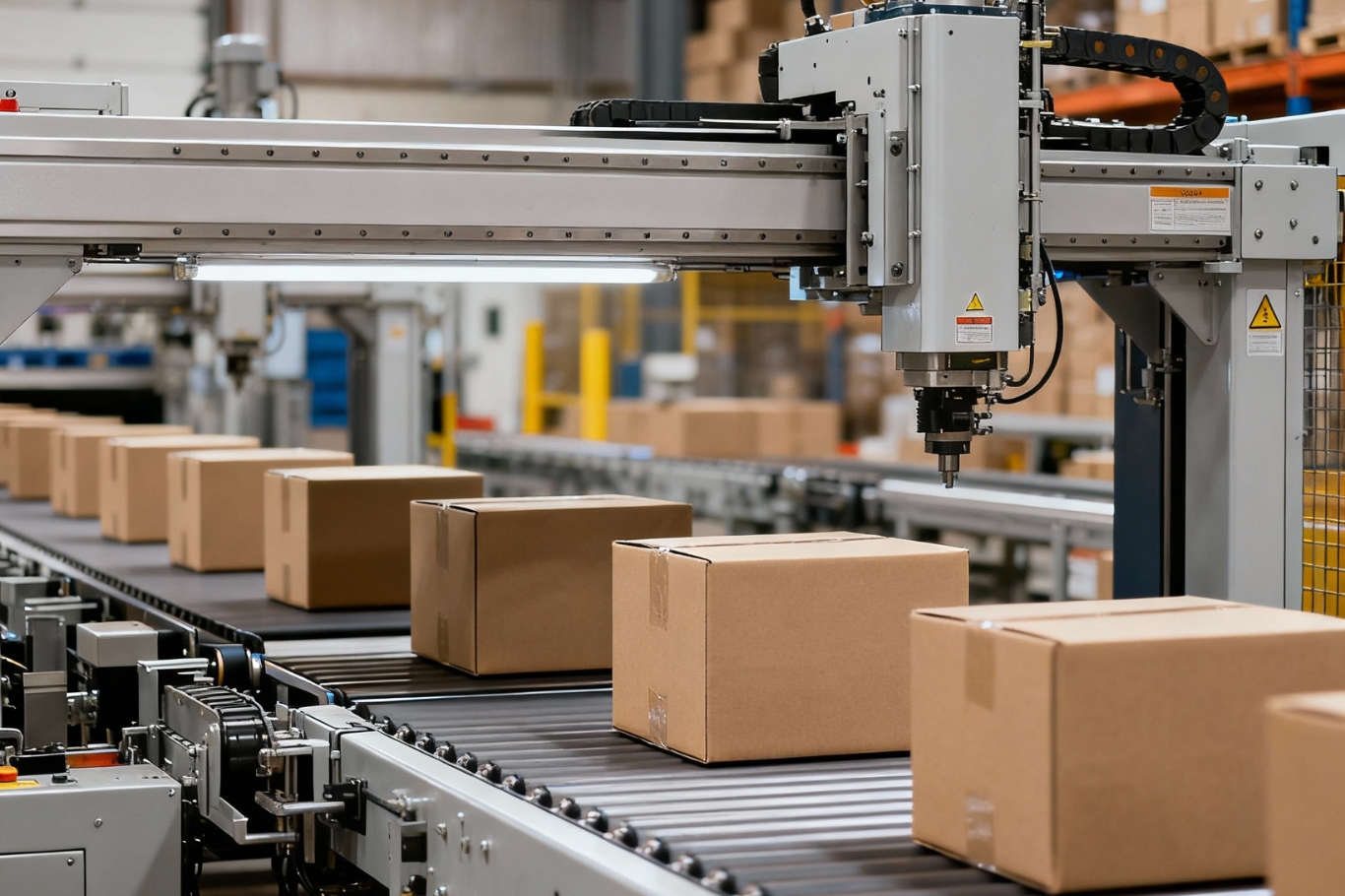
In the world of packaging, every millimetre matters. Even a small mistake in the cutting process can ruin hundreds of products, leading to material loss, higher expenses, and unhappy customers. Most packaging companies still use manual or semi-automatic die-cutting machines, which often cause misalignments, uneven cuts, and waste. Automatic die-cutters , however, solve these problems by making cutting faster, more accurate, and more efficient. This is the place where automatic die-cutters come. They not only accelerate the cutting process, but also ensure accuracy and help reduce waste. Let us understand how they bring real values ​​for packaging businesses. Experience: Real Challenges in Traditional Die-Cutting Before automation, operators often struggled with: Misaligned sheets causing inaccurate cuts Manual errors leading to rejected cartons High raw material wastage Slow production speeds For example, a packaging plant in Greater Noida that turned into a trio press in Robus India, saw a 20% decline in material wastage within the first few months. This shows how automation makes a big difference in day to day operations. Expertise: How Automatic Die-Cutters Work Automatic die-cutters use advanced technology to cut paperboard or corrugated sheets into precise shapes. They are designed with features that solve common manual errors: Accurate Sheet Feeding: Automatic feeders place sheets in the exact position every time. Registration Systems: Sensors and alignment tools ensure each sheet is cut in the same spot. Consistent Pressure Control: The machine applies the right pressure across all sheets, avoiding uneven cuts. High Speed: They can process thousands of sheets per hour without breaks. This means packaging companies get consistent, accurate results while saving time and effort. Authoritativeness: Why the Industry is Moving Towards Automation Worldwide, packaging firms are increasingly embracing automation. Industry analyses indicate that automated machinery can decrease cutting inaccuracies by as much as 90% in comparison to manual methods. When compared side by side: Manual/Semi-Auto Machines → slower, higher waste, inconsistent results Automatic Die-Cutters → faster, accurate, and more cost-effective That’s why leading packaging companies in India and worldwide now prefer automatic die-cutters. With over 410 installations across India, Robus India has become a trusted name in this segment. Trustworthiness: Benefits Beyond Accuracy Investing in automatic die-cutters is not just about precision. It also helps in: Reducing Waste: Fewer rejected cartons means less raw material waste. Cost Savings: Lower wastage directly cuts down production costs. Sustainability: Using resources wisely reduces environmental impact. Compliance: Industries like pharma and FMCG require error-free packaging, which automation supports. Reliable Support: Robus India provides ongoing service and maintenance, ensuring machines perform at their best for years. Customer Success Story One of the customers of Robus India in the FMCG sector reported that after installing a pair of press automatic die-cut, their production increased by 35%, and raw material wastage declined by 25%. The machine not only saved the costs, but also allowed them to take big orders with confidence. Conclusion The packaging industry is being carried forward by automatic die-cutters. They are accurate, efficient and durable, allowing business expenses and waste to reduce. To target packaging companies to live in competition, investing in an automated die-cutter is not an option, but a requirement.

Flute Lamination Machine: Green Packaging Innovation at Robus India

Flute Lamination Machine: Green Packaging by Robus India

Introduction Flute lamination machine technology is revolutionizing sustainable packaging at Robus India. As sustainability becomes a necessity, packaging companies must focus not only on recycled materials, but also on the energy efficiency of production equipment. Modern laminators allow manufacturers to apply durable laminates to corrugated boards with minimal energy waste, supporting both quality and eco-friendly goals. Why a Flute Lamination Machine Matters for Green Packaging Energy usage and waste from packaging machinery can negate the benefits of eco-friendly substrates. A flute lamination machine with smart controls ensures precise bonding of corrugated layers without unnecessary heating, cutting electricity use. Investing in such efficient equipment is key, because an inefficient process can undercut material sustainability. Today’s flute lamination machine integrates features like intelligent heating and automatic sleep modes to reduce idle energy costs. Features of Energy-Efficient Laminators Modern laminators, including flute lamination machines, incorporate cutting-edge technologies to save energy and reduce waste: Intelligent Heating Systems: Smart temperature controls prevent overheating, so the machine consumes less power during pauses without compromising lamination quality. High-Efficiency Motors: Brushless DC motors and servo drives lower energy draw while providing precise speed control, ideal for high-volume production.. Quick Warm-Up Technology: Faster startup reduces downtime and energy spikes, making each run more efficient. Auto Sleep and Shut-Off: Automatic standby modes shut down the machine when idle, preventing needless energy use. These advanced features ensure that even continuous production lines run sustainably around the clock. Eco-Friendly Board Pasting and Lamination Besides laminating films, Robus India’s solutions include board pasting machines that complement flute lamination processes. By applying glue with precision, these systems avoid excess and lower waste. Low-power dryers cure adhesives more efficiently, and modular automation reduces misfeeds. The synergy between board pasting equipment and laminators maximizes throughput while minimizing scrap material and power consumption. Flute Lamination Machine: Sustainability Benefits and Savings Investing in energy-efficient laminating machines yields direct sustainability and business gains: Reduced Carbon Emissions: Lower power use means fewer emissions, aligning with global eco-standards. Cost Savings: Cutting energy waste shrinks operating costs, so the investment pays off via lower electricity bills. Less Material Waste: Precision controls reduce errors and scraps, improving yield. Regulatory Compliance: With governments pushing green manufacturing, efficient practices help brands meet environmental regulations. Robus India’s Commitment to Green Innovation Robus India leads in green packaging technologies. Our lineup includes high-speed laminators for corrugated boards and film substrates. We provide: High-performance flute lamination machines for both automatic and manual lines. Optimized board pasting machines with precise glue management. Retrofit services to upgrade older lines with energy-saving technology. Training programs so operators run equipment sustainably. These solutions ensure Robus India clients produce premium packaging with minimal environmental impact. Ideal Applications for Flute Lamination Machines Robus India’s flute lamination machines are ideal for: Eco-friendly e-commerce packaging. Sustainable fast-moving consumer goods (FMCG) cartons. Recycled board lamination. Green-compliant pharmaceutical packaging. Export-ready corrugated crates meeting global standards. Conclusion The future of packaging is green, and machinery is at its heart. An energy-efficient flute lamination machine ensures that the benefits of sustainable materials aren’t wasted by heavy power usage. By choosing Robus India’s eco-smart laminators and board pasting machines, brands build efficient, responsible production lines. Start with advanced laminating and pasting solutions to make your packaging truly sustainable.

The Power of Braille Embossing in Modern Folder Gluers

The Power of Braille Embossing in Modern Folder Gluers

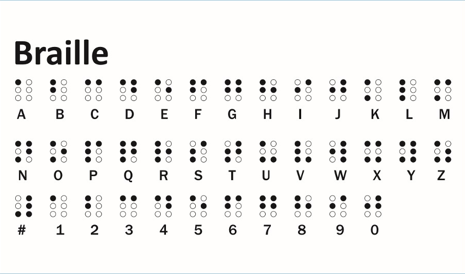
Introduction In an increasingly inclusive world, accessibility in packaging is no longer optional — it’s expected. One of the most impactful innovations in packaging technology is the integration of Braille embossing in modern folder gluers. At Robus India, we are proud to be at the forefront of this transformation, helping brands align with regulatory requirements and social responsibility through cutting-edge packaging solutions. This blog explores how Braille embossing is changing the packaging landscape, and why folder gluers with Braille capabilities are now essential in industries like pharmaceuticals, cosmetics, and consumer goods. Why Braille Embossing Matters 1. Accessibility for the Visually Impaired According to the World Health Organization, over 2.2 billion people globally experience some form of vision impairment. Braille text on packaging empowers visually impaired individuals to independently identify products, understand dosage instructions, and use goods safely. 2. Regulatory Compliance In many countries, especially across Europe and parts of Asia, Braille labeling is legally required for pharmaceutical packaging. Companies that export globally must ensure their cartons meet these accessibility standards to avoid regulatory complications. 3. Brand Reputation and Responsibility Inclusive packaging isn’t just about compliance — it’s about building trust. Brands that adopt Braille demonstrate empathy, social awareness, and commitment to universal design principles. Consumers today favor brands that care. The Role of Folder Gluers in Braille Embossing Folder gluers are the backbone of carton production. With evolving demands, modern folder gluers have adapted to do more than just fold and glue. They now support: Precise Braille embossing units integrated into the line High-speed Braille embossing without compromising on alignment Real-time monitoring and inspection for dot quality and accuracy These features ensure that every box leaving the production line is both functional and inclusive. Robus India’s Braille-Ready Folder Gluer Solutions At Robus India, we understand the demands of high-volume, precision-sensitive industries. Our folder gluer machines come equipped or upgrade-ready for Braille embossing, offering: Modular Braille Units that can be integrated into existing folder gluer lines Servo-driven embossing stations for pinpoint accuracy Braille quality inspection systems that ensure compliance with global standards Support for pharmaceutical-grade packaging that meets EU and WHO guidelines With Robus solutions, manufacturers no longer need separate embossing setups or manual interventions, improving both speed and quality. Industries Benefiting from Braille Integration 1. Pharmaceuticals Most regulated industry requiring mandatory Braille labeling on all medications, including over-the-counter drugs. 2. Personal Care & Cosmetics More brands are adopting inclusive design to make products accessible for all users. 3. FMCG and Retail Packaging As consumer demand for inclusivity grows, mass-market brands are beginning to embed Braille into their core packaging design. Challenges and How Robus Solves Them Challenge: Ensuring Braille Legibility at High Speeds Solution: Robus folder gluers feature advanced embossing modules with adaptive pressure control and dot height calibration. Challenge: Maintaining Structural Integrity of Cartons Solution: Our machines precisely place Braille embossing to prevent damage to carton structure or inner packaging. Challenge: Integration into Existing Workflow Solution: Robus offers retrofittable Braille units that integrate seamlessly into current folder gluer lines without major disruptions. The Future of Inclusive Packaging The demand for accessible packaging is only going to increase. With e-commerce, global shipping, and a heightened awareness of inclusivity, businesses must act now to future-proof their operations. Braille is just one step, but a vital one. At Robus, we’re committed to helping manufacturers deliver packaging that speaks to everyone — literally. Through innovation and precision, we ensure that inclusivity becomes part of every package, not an afterthought. Conclusion Braille embossing in modern folder gluers isn’t just a technical upgrade; it’s a social evolution in packaging. Robus India provides the technology, expertise, and support to help your business meet global standards while making a meaningful impact. Embrace the power of inclusive design. With Robus, packaging has a voice for all.  

How Foil Stamping Makes Packaging Look Fancy

How Foil Stamping Makes Packaging Look Fancy

Introduction Have you ever been drawn to a product just because of how beautiful the packaging looked? Maybe it had a shiny logo, a metallic label, or a glossy finish that made it feel luxurious. That’s often the effect of foil stamping—a printing method that adds sparkle and class to packaging. In today’s competitive market, packaging is more than just protection. It’s the first impression of your brand, and it can make that impression unforgettable. In this blog, we’ll explain what it is, how it works, why brands use it, and how it makes packaging look more attractive and premium. What is Foil Stamping? Foil stamping is a printing process that uses heat and pressure to apply a thin layer of metallic or pigmented foil to the surface of packaging materials like paper or cardboard. Unlike regular printing, this process doesn’t use ink. Instead, it creates shiny or textured effects that catch the eye. You’ve likely seen it on luxury chocolate boxes, cosmetic cartons, invitation cards, or gift packaging. Gold and silver are the most common colors, but foils also come in red, blue, copper, rose gold, holographic, and matte finishes. The goal of foil stamping is to add richness and style that ordinary printing cannot match. How the Foil Stamping Process Works Foil stamping might sound complex, but when broken down, the process is straightforward. First, a metal die is created in the shape of the design—such as a logo or pattern—that needs to be stamped. This die acts like a heated stamp. Next, a roll of foil is chosen based on the desired finish. This could be metallic, holographic, or matte. Then, the heated die presses against the foil and the packaging material. The combination of heat and pressure causes the foil to stick to the material exactly where the die touches it. The final result is a crisp, shiny, and elegant design that becomes a permanent part of the package. Sometimes, this process is combined with embossing, which adds a raised effect, making the stamped area feel even more premium. Why Do Brands Use Foil Stamping? Brands use foil stamping because it transforms ordinary packaging into something special that connects emotionally with customers. It adds beauty, professionalism, and a sense of luxury to packaging, making it stand out on crowded shelves. The shiny finishes like gold and silver give packaging a high-end look, which helps customers associate the product with quality and value. Besides visual appeal, It also grabs attention by reflecting light, making packages more noticeable. This is crucial in stores where many products compete for attention. It is also a way to build brand value because it is often used in logos or product names, reinforcing an image of trust and excellence. Moreover, It  adds texture to packaging. When customers feel the raised or smooth areas, it creates a memorable and tactile experience that enhances brand perception. Foil stamping can be combined with other finishing techniques, such as embossing or soft-touch coatings, to create unique packaging designs that tell a brand’s story more effectively. This combination of effects helps make the packaging not just a container, but a key part of the product’s appeal. Different Types of Foil Used in Packaging Not all foil looks the same, and brands choose different types depending on the product and message they want to convey. Metallic foil is the most popular and usually comes in gold or silver shades, offering a bold and shiny finish that’s perfect for luxury packaging. Holographic foil is another option. It changes color depending on how light hits it, making the packaging fun and eye-catching. This type is often used for products targeting younger audiences or for limited editions. Matte or pigment foil, on the other hand, offers a softer, non-reflective finish for brands that want a modern or understated look. Pearlescent foil provides a subtle glow without strong shine, making it suitable for cosmetics and wedding packaging where elegance is key. Lastly, scratch-off foil is used mainly in promotions or gift cards, allowing customers to scratch away the foil to reveal hidden information or prizes. Where Foil Stamping Works Best Foil stamping adds value across many packaging categories, enhancing the look and feel of the product inside. For example, in the beauty and cosmetics industry,It is widely used on lipstick boxes, skincare kits, and perfume cartons to add a sense of luxury and sophistication. For gourmet foods and chocolates,It gives packaging a rich and festive feel, perfect for gifts or special occasions. In the alcohol industry, foil stamping on wine labels or gift boxes communicates tradition and elegance, increasing the perceived value of the product. Personal care and wellness products, such as shampoos, lotions, and premium soaps, often use It to reflect quality and attention to detail. Even stationery and gift boxes benefit from foil stamping, as it adds a classy and elegant touch to wedding invitations, notebooks, and corporate gifts. How Foil Stamping Helps with Marketing Packaging is often the silent salesperson, and foil stamping plays a crucial role in marketing and branding. When customers see shiny foil on packaging, they immediately associate it with high value and premium quality. This first impression can influence buying decisions in a significant way. It also enhances the unboxing experience. Customers enjoy the feel and look of foil-stamped packaging, which makes opening a product more special and memorable. This often leads to customers sharing their experiences on social media, giving brands free promotion and word-of-mouth marketing. Furthermore, the visual appeal of It improves brand recall, meaning customers remember the brand more easily and are more likely to buy from it again. Brands targeting premium market segments find that foil stamping boosts sales because it elevates the product’s perceived worth. When packaging looks expensive and carefully crafted, customers feel more confident in their purchase. Things to Consider When Using Foil Stamping While foil stamping offers many benefits, it requires careful planning and design. Due to the nature of the stamping process, simple and bold … Read more

How Folder Gluer Machines Help Make More Cartons Faster

How Folder Gluer Machines Help Make More Cartons Faster

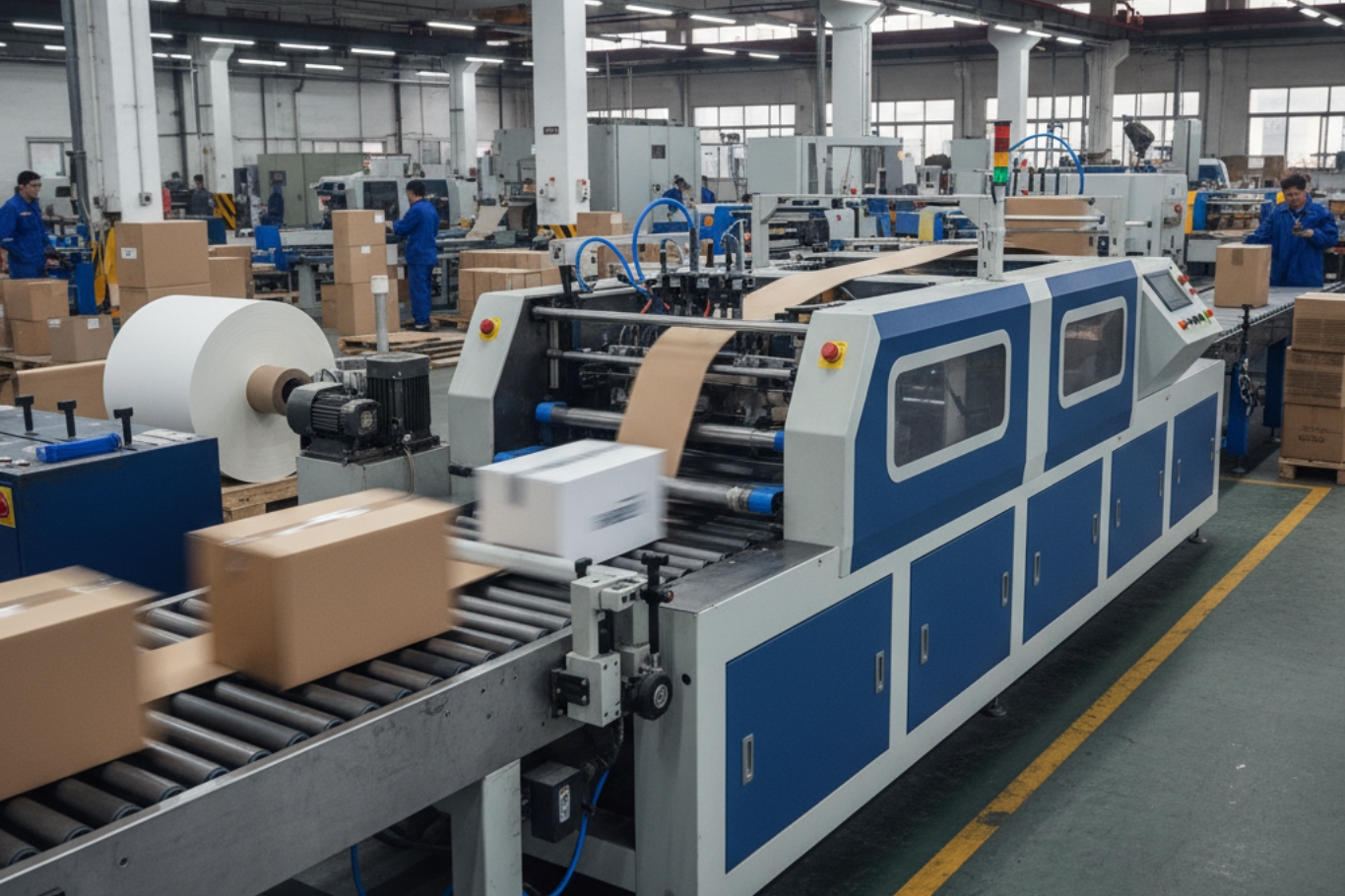
Introduction In today’s fast-paced world, packaging plays a big role in product safety, branding, and transportation. From cereal boxes to medicine cartons, we see folded cartons everywhere. But have you ever wondered how these cartons are made so quickly and in such large numbers? The answer lies in folder gluer machines. These machines are key to making folding cartons fast, neat, and at scale. Whether you are in the packaging, printing, or consumer goods industry, folder gluers can help your business grow by saving time, reducing errors, and increasing production. In this blog, we’ll explore what a folder gluer machine is, how it works, and how it helps manufacturers make more cartons, faster and better. What is a Folder Gluer Machine? A folder gluer machine is a type of packaging machine used to fold and glue flat paperboard or corrugated board into finished cartons. It’s the last step in the carton-making process after printing and die-cutting. The flat, printed sheets are fed into the folder gluer. The machine then folds them into shape and applies adhesive (glue) in the right spots. After this, the cartons are pressed and delivered in stacks—ready to be filled with products. Folder gluer machines are widely used in industries such as: Food and beverages Pharmaceuticals Cosmetics Electronics E-commerce packaging How Does a Folder Gluer Machine Work? Folder gluer machines have several parts that work together in sequence. Here’s a step-by-step view of how the machine operates: 1. Feeder Section The feeder pulls in the flat carton blanks one at a time from a stack. This section ensures smooth feeding without jamming. 2. Pre-Break Section Some cartons have folds that are hard to crease later. This section pre-breaks or bends the folds slightly to make final folding easier. 3. Folding Section Using folding belts and guides, the machine folds the carton flaps according to the desired shape—like straight-line, crash lock, or 4/6 corner boxes. 4. Gluing Section As the flaps are folded, glue is applied using either cold glue or hot melt systems. The glue is placed with precision to avoid spills or weak joints. 5. Compression Section Once glued and folded, the cartons pass through pressure rollers that press them together to ensure the glue sets properly. 6. Delivery Section The finished cartons are collected, counted, and stacked for packaging or shipping. Some machines have automatic packing systems as well. Benefits of Folder Gluer Machines Using a folder gluer machine offers many advantages that help manufacturers speed up their packaging operations. Let’s take a closer look: 1. Faster Production Speed Manual carton folding and gluing are slow and inconsistent. A folder gluer machine can process thousands of cartons per hour, depending on the size and type. This high speed means more output in less time. 2. Consistent Quality Every carton is folded with the same precision, and the glue is applied at the exact spot every time. This improves the look, strength, and performance of the box. 3. Less Manual Labor The machine does most of the work. This reduces the need for manual workers and helps avoid fatigue or mistakes caused by repetitive tasks. 4. Reduced Waste Precise gluing and folding mean fewer misaligned or damaged boxes. This helps save raw materials and reduce waste. 5. More Versatility Modern folder gluer machines can handle many box types—straight-line, crash lock bottom, 4-corner, 6-corner, and more. This gives businesses flexibility in design and packaging. 6. Lower Costs Over Time Though the initial investment may be high, folder gluers save money in the long run by reducing labor costs, material waste, and time spent on rework. Use Cases in Different Industries Folder gluer machines are not just for large-scale factories. They are useful for small, medium, and large businesses across industries. Food Packaging Fast-moving products like cereals, snacks, and frozen foods need strong, attractive boxes. Folder gluers help produce these in bulk with strong glued flaps that hold up during transport and display. Pharmaceutical Packaging Accuracy is crucial in every type of Pharmaceutical Packaging. Folder gluers ensure tight seals and consistent quality to protect the product inside and meet health regulations. E-commerce and Retail With rising demand for quick packaging in online sales, folder gluer machines are perfect for producing ready-to-use cartons in a short time. Cosmetics and Personal Care Elegant packaging is important for beauty products. Folder gluers help maintain neat finishes and sharp folds that enhance product appeal. Advanced Features in Modern Folder Gluers Today’s folder gluer machines come with smart technology to further increase productivity and reduce downtime. Some features include: Touchscreen Controls: Easy setup and monitoring Servo Motors: More control over speed and movement Automatic Alignment Systems: Reduce human error Vision Inspection Systems: Detect glue or folding errors Barcode Scanners: For box identification and sorting These improvements help ensure high-quality production while reducing the chance of errors. How Robus India Helps with Folder Gluer Solutions At Robus India, we specialize in advanced carton packaging machinery including folder gluer machines that are ideal for both corrugated and paperboard cartons. Our folder gluer machines offer: High-speed performance Stable feeding Precise gluing technology Compatibility with different box styles Durable build and low maintenance We also provide training, technical support, and after-sales service, ensuring your team can operate the machine smoothly and efficiently. Whether you are upgrading from manual folding or expanding your production capacity, Robus India has the right folder gluer solution for you. Conclusion Folder gluer machines have revolutionized the way cartons are made. With the ability to fold and glue thousands of boxes per hour, these machines help businesses: Increase output Maintain consistent quality Reduce labor and costs Meet rising demand quickly If your business relies on packaging, investing in a folder gluer is a smart move. It’s not just about faster production—it’s about growing your efficiency and building a stronger, more reliable packaging system. Contact Robus India to explore our range of high-speed folder gluer machines and take your packaging process to the next level.

Troubleshooting Common Die Cutting Machine Issues

Troubleshooting Common Issues in Die Cutting Machines

Introduction Die cutting machines are an integral part of the manufacturing process, particularly in industries that require precision cutting, such as packaging, textiles, and the production of various paper-based products. These machines use sharp steel dies to cut or shape materials into custom designs, enhancing efficiency and accuracy. However, like any machinery, die cutting machines are prone to occasional problems that can disrupt production. In this blog, we’ll explore some of the most common issues with die cutting machines and provide troubleshooting tips to help operators get their machines running smoothly again. By addressing these issues early, businesses can reduce downtime, improve productivity, and extend the lifespan of their equipment. Step 1: Understanding the Machine Components Before diving into troubleshooting, it’s essential to understand the key components of a die cutting machine. The typical die cutting machine includes: Die block: Holds the cutting die and applies pressure to cut materials.  Pressure rollers: Help apply consistent pressure during the cutting process.  Feeding system: Moves the material into the cutting area.  Die and counter die: The die presses into the material against the counter die to create the desired cut.  Drive motor: Powers the machine’s movement.  Control panel: Allows for machine adjustments, speed control, and monitoring.  Having a basic understanding of how these parts work together can help you identify the source of an issue. Step 2: Identifying Common Issues in die cutting Machines Issue 1: Poor Cutting Quality Symptom: The die cutting process produces incomplete, jagged, or uneven cuts. Possible Causes: Dull dies: Over time, the cutting die can become dull, reducing its ability to cut cleanly.  Incorrect pressure: If the pressure applied to the die is too low or inconsistent, the cut will be incomplete.  Misalignment: If the die and counter die are not aligned correctly, the cut will be uneven.  Troubleshooting: Replace the die if it shows signs of wear.  Adjust pressure to ensure it is adequate for the material being cut. This may involve recalibrating the machine.  Check alignment of the die and counter die. Realign them if necessary to ensure consistent cuts.  Issue 2: Material Jamming Symptom: The material gets stuck in the die cutting machine, causing it to stop working. Possible Causes: Incorrect material thickness: If the material is too thick or too thin for the machine, it can cause jams.  Poor feeding system: The feeding rollers may be malfunctioning, causing uneven feeding of the material.  Static buildup: Static can cause materials to stick together, leading to jams.  Troubleshooting: Check material specifications and ensure the thickness is compatible with your machine’s cutting capacity.  Inspect the feeding system for damage or wear and replace any faulty parts.  Use an anti-static solution to reduce static buildup, or install a static eliminator in the feeding area.  Issue 3: Inconsistent Cutting Depth Symptom: The depth of the cuts varies from one part to another, resulting in some pieces being partially cut. Possible Causes: Uneven pressure distribution: If the pressure rollers are worn or not calibrated correctly, the pressure applied across the material may not be uniform.  Worn dies or counter dies: Over time, the cutting edges may wear unevenly, causing inconsistent cuts.  Troubleshooting: Inspect the pressure rollers and adjust them to ensure they apply even pressure across the material.  Replace worn dies to ensure they cut evenly.  Recalibrate the machine’s pressure settings according to the material being used.  Issue 4: Material Misalignment Symptom: The material is misaligned, causing inaccurate cuts or shapes. Possible Causes: Improper feeding mechanism: If the feeding system is malfunctioning or miscalibrated, it can cause the material to shift during the cutting process.  Uneven tension in the material: If the material is not evenly tensioned, it may shift during feeding, leading to misalignment.  Troubleshooting: Calibrate the feeding system and ensure it pulls the material in a straight line.  Check the tension in the material before feeding it into the machine. Ensure the material is evenly tensioned to prevent shifting.  Issue 5: Machine Overheating Symptom: The machine becomes too hot during operation, leading to a shutdown or malfunction. Possible Causes: Excessive cutting speed: Running the machine at too high of a speed can generate excess heat, especially during long runs.  Lack of lubrication: If the moving parts are not adequately lubricated, friction can cause the machine to overheat.  Troubleshooting: Reduce the cutting speed to allow the machine to operate at a more manageable temperature.  Check the lubrication of the moving parts and add more if necessary. Regular maintenance is key to preventing overheating.  Step 3: Preventive Maintenance for die cutting Machines While troubleshooting helps fix issues as they arise, preventive maintenance is key to avoiding many common problems. Here are a few tips to keep your die cutting machine running smoothly: Regular Inspection: Inspect the machine regularly for any signs of wear and tear, especially on critical components like dies, rollers, and the feeding system.  Lubrication: Ensure all moving parts are properly lubricated according to the manufacturer’s guidelines to reduce friction and prevent overheating.  Cleaning: Keep the machine clean, especially the feeding system, die, and counter die. Dust and debris can cause jamming and poor cutting quality.  Die Maintenance: Regularly inspect and sharpen or replace the dies to ensure clean and consistent cuts.  Pressure Calibration: Recalibrate the pressure settings to match the material specifications and ensure consistent cutting.  Conclusion die cutting machines are sophisticated pieces of equipment that require regular care and attention to operate at peak performance. Understanding common issues like poor cutting quality, material jamming, inconsistent cutting depth, material misalignment, and overheating, along with troubleshooting tips, can help operators minimize downtime and improve productivity. With the right maintenance practices and quick troubleshooting, die cutting machines can offer reliable and high-quality results for years to come. If you experience persistent issues, don’t hesitate to consult with a qualified technician or machine manufacturer for professional guidance.

Looking for a Braille Machine with Standard Marburg Medium?

Kindly fill out the form below to request more information.