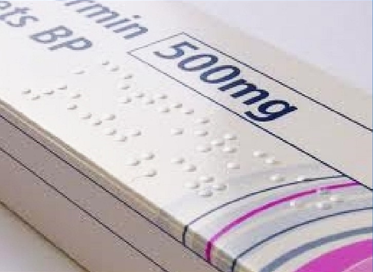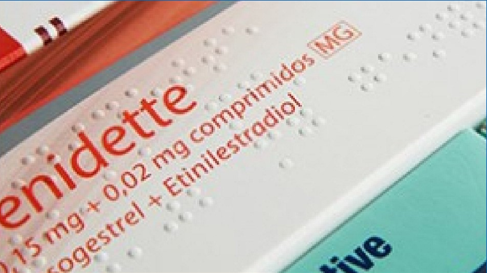
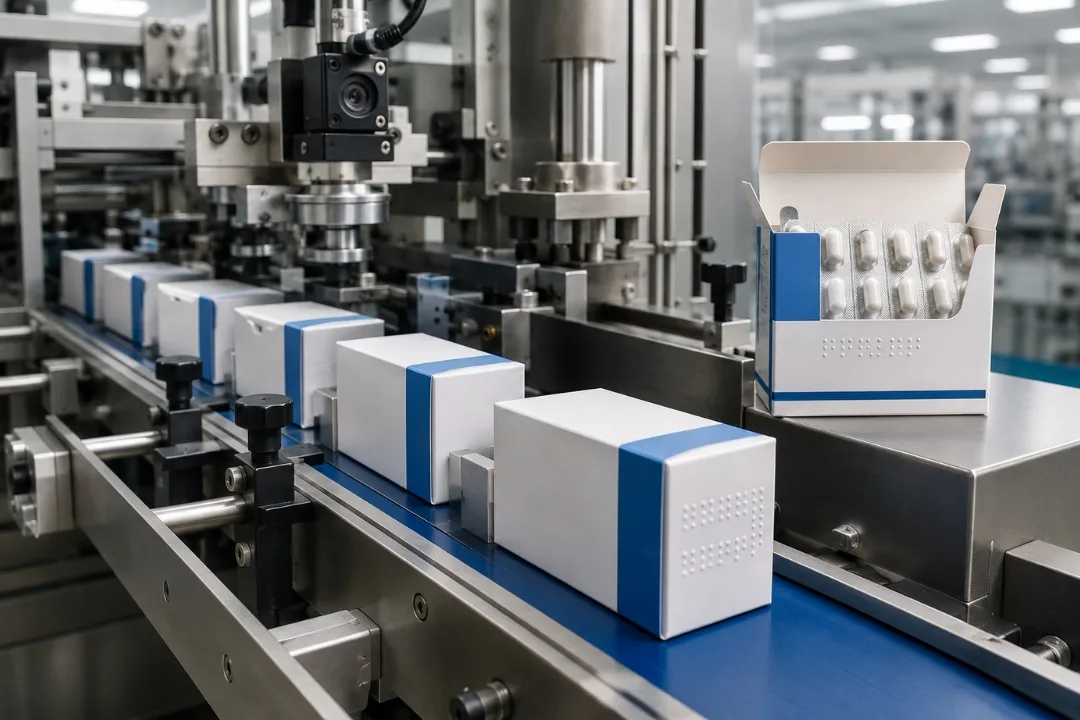
Walk into any pharmacy and pick up a medicine box. The text is sharp enough to read without squinting. The Braille dots sit at exactly the right height. The tuck flap opens without tearing. The QR code scans on the first try.
None of this is accidental, and none of it is easy.
A pharmaceutical packaging machine working on drug cartons is doing something fundamentally different from a machine packing coffee pods or soap bars. The carton has to carry legally mandated text that stays legible for the product’s entire shelf life. It needs Braille where regulations require it. It has to fail visibly if someone tries to open it. And every single unit has to track back through the supply chain.
When any of that goes wrong, the consequences are not just production losses. Incorrect labelling on drug cartons is one of the most common triggers for pharmaceutical recalls worldwide. That puts the carton – and the machine making it – under a level of scrutiny that most packaging formats never face.
Pharmaceutical Packaging Machine Basics: What Drug Cartons Actually Need to Do
Secondary pharmaceutical packaging has one job that all the other jobs hang off: protect the primary pack and tell the truth about what’s inside.
That sounds straightforward until you look at the full list:
- Printed text that is clear, lightfast, and abrasion-resistant – as specified under EU GMP Chapter 5
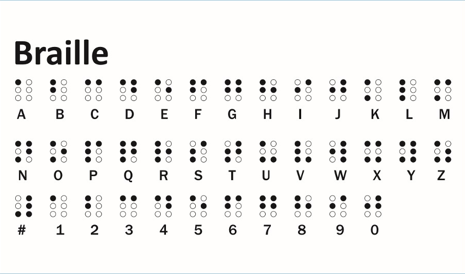
- Braille embossing with consistent dot height and spacing, mandatory in European markets under Directive 2001/83/EC
- Dimensional accuracy tight enough to run through downstream cartoning lines without jams or misfires
- Tamper-evident construction that shows visible damage if the box has been opened
- Surfaces that accept inkjet or laser coding reliably, batch after batch
- Serialization compatibility, including space for QR codes that meet India’s mandatory traceability requirements
A machine that produces excellent commercial cartons may still produce rejects on pharmaceutical work if it is not set up to handle all of this. The tolerances are different. The documentation requirements are different. The consequences of a bad run are different.
The Board Comes First
Most discussions about pharmaceutical packaging jump straight to the machine. The board matters just as much.
Pharmaceutical folding cartons typically use folding boxboard (FBB) or solid bleached board (SBB) in the 300–400 gsm range, with specific properties that the machine has to handle correctly:
- Whiteness – High whiteness levels are non-negotiable when warning text, dosage tables, and expiry dates need to be read by someone squinting in a pharmacy
- Bending rigidity – The board has to hold its shape after folding; a box that springs back or collapses at the corners is a problem at every stage downstream
- Creasability – Clean crease lines without fibre damage; a poor crease tears on the first open
- Caliper consistency – Variation in board thickness throws off glue placement and dimensional tolerances across the entire run
- Codability – The surface needs to accept inkjet or laser coding without smearing, even under production conditions
A pharmaceutical packaging machine that is not maintained and calibrated for the specific board grade being run will produce cartons that look fine on the stack but fail on the cartoning line or, worse, fail at the pharmacy.
Die Cutting: Where the Tolerance Work Begins
The carton blank starts as a printed sheet. The die cutter turns it into a creased, cut blank ready for folding.
For drug carton work, the die cutter needs to hold:
- Consistent crease depth. Too shallow and the fold tears under stress; too deep and the board weakens at the fold line and eventually cracks
- Clean cut edges. Board fibre and paper dust from the cut zone can migrate into primary packaging – a contamination risk that pharmaceutical customers take seriously
- Print-to-cut registration. Barcodes, QR codes, and batch number areas have to fall exactly where they were designed to fall, or the coding systems downstream cannot read them
- Repeatability. Pharmaceutical production schedules are long and the output goes to multiple cartoning lines. Any drift in dimensional accuracy over a run creates cascading problems
Servo-driven automatic die cutters with in-line inspection handle this better than machines relying on mechanical adjustments between operators. When the tolerances are this tight, removing the manual variable matters.
Folder Gluing: The Step Where Most Problems Actually Show Up
The folder gluer is where a flat blank becomes a finished box. It is also where most of the problems that pharmaceutical customers complain about originate.
Glue placement: The glue line has to be consistent in width, position, and volume on every single unit. Too little and the carton opens in transit. Too much, and it bleeds onto the product-contact area, creating contamination issues and audit findings.
Square output: Cartons fed into pharmaceutical cartoning lines must meet tight dimensional tolerances. A box that is 1mm out of square does not sound like much until it is jamming a cartoning line running at 200 cartons per minute.
Speed consistency: Quality has to hold at full production speed, not just during setup. A machine that performs well at 100 units per minute but degrades at 200 is useless for high-volume pharmaceutical work.
Inline Braille embossing: For any product going to EU markets, Braille on the outer carton is a regulatory requirement, not a nice-to-have. Producing it as a separate offline step is slow, expensive, and creates opportunities for mix-ups. Robus India’s automatic folder gluers with inline Braille embossing handle this in a single pass, which is how most serious pharmaceutical converters want to run it.
Tamper-Evident Construction
The EU Falsified Medicines Directive requires tamper-evident features on the outer packaging of most prescription medicines. In the US, FDA 21 CFR Part 211 sets comparable requirements for OTC products. Most other regulated markets are moving in the same direction.
On the carton, tamper-evident features usually take the form of:
- End-lock or crash-lock bases that cannot be resealed without visible damage
- Glued tuck flaps instead of friction-fit closures
- Tear strips or perforated opening indicators
The folder gluer has to produce these features reliably at volume. A tamper-evident construction that works on 990 out of 1,000 cartons is not good enough when the other 10 end up in patient hands.
Serialization and QR Code Requirements
Track-and-trace requirements have been expanding steadily. India now mandates QR codes on pharmaceutical packaging as a condition of sale, covering traceability and anti-counterfeiting. The EU’s Falsified Medicines Directive requires a unique identifier on every saleable unit. The US Drug Supply Chain Security Act (DSCSA) is phasing in similar requirements.
All of this puts pressure back on the carton itself:
- The coding area needs sufficient contrast and surface quality for 2D barcodes and QR codes to scan reliably
- Dimensional consistency across the run is necessary because vision systems and barcode readers work within calibrated tolerances
- Any variable that affects the print zone – warping, off-register cutting, poor crease – creates serialization failures that shut down lines
The die cutter and folder gluer together determine whether the finished carton is something a serialization system can work with.
Lamination and Foil Stamping for Pharma
Some pharmaceutical cartons carry additional surface treatments: matte or gloss film lamination, hot foil stamping, or embossing. These serve purposes beyond appearance.
Lamination adds a moisture barrier, which matters for products sensitive to humidity. Hot foil and embossed features add authentication that is harder to replicate on counterfeit packaging – something that Indian pharmaceutical exports to regulated markets increasingly need to demonstrate.
The machine requirements here are specific. Board needs to arrive flat and consistent for lamination to bond without bubbles or delamination. Hot foil stamping needs precise pressure and temperature control for clean registration. Getting either wrong on the pharmaceutical board wastes expensive material and creates a batch that cannot ship.
Robus India’s automatic film lamination and hot foil stamping machines are calibrated for the specific board grades and surface treatments that pharmaceutical carton work requires.
What GMP Actually Means for the Machine
When a pharmaceutical company audits its carton supplier – and they do audit, regularly – GMP requirements for packaging materials are near the top of the checklist.
From a practical standpoint, GMP-compliant carton production requires:
- Contamination control – Equipment that does not shed lubricants, metal particles, or debris onto carton surfaces during production
- Maintenance records – Documented service schedules showing the machine runs within validated parameters
- Changeover records – Clear documentation when switching between carton specifications, so different products do not get mixed
- Reject handling – Systems that pull non-conforming cartons out before they reach the finished goods stack, not after
A machine that runs well but cannot demonstrate these controls is a problem for any converter working with regulated pharmaceutical customers. The machine is only part of the audit. The evidence that it is being managed properly is the other part.
Practical Checklist for Pharmaceutical Carton Equipment
If you are evaluating a pharmaceutical packaging machine for drug carton work, or reviewing whether existing equipment is suitable for regulated markets, these are the questions worth working through:
- Does it hold the dimensional tolerances required by your cartoning line supplier?
- Can it run 300–400 gsm FBB or SBB without board damage or crease failure?
- Does it support inline Braille embossing, or does that require a separate step?
- What are the actual changeover times between carton sizes?
- Does the machine have servo-driven components for repeatable accuracy at full speed?
- Is there an inline inspection option, or is quality checking done offline after the fact?
- What documentation does the manufacturer provide to support GMP audits?
For converters and packaging manufacturers producing drug cartons in India, the folding carton machinery range from Robus India covers die cutting, folder gluing, lamination, Braille embossing, and inspection – the full set of processes that pharmaceutical carton work involves.
Common Questions on Drug Carton Packaging
What is the difference between primary and secondary pharmaceutical packaging?
Primary packaging is in direct contact with the drug – the blister, bottle, or ampoule. Secondary packaging is the outer carton that groups primary packs, carries labelling, and provides the tamper-evident outer layer that regulations require.
Is Braille mandatory on pharmaceutical cartons in India?
Braille is currently mandatory in EU markets under Directive 2001/83/EC. India does not yet have a national mandate, but exporters supplying European markets must comply. Some Indian manufacturers are building Braille capability into their lines now rather than retrofitting later.
What GSM board is standard for pharmaceutical folding cartons?
Most drug cartons use 300–400 gsm folding boxboard or solid bleached board. The specific grade depends on carton dimensions, product weight, and whether lamination or surface treatment is involved.
What does GMP mean for carton production specifically?
GMP in carton production covers how the equipment is operated, maintained, and documented. The goal is consistent output that prevents contamination, mix-ups, and labelling errors – the three categories that generate most pharmaceutical packaging recalls.
Drug cartons are not complicated packaging in a visual sense. The requirements behind them are. The machine producing them has to clear a bar that most other carton applications never come near.
If you are producing, or planning to produce, folding cartons for pharmaceutical customers – particularly for export markets – and want to talk through what the machine side of that looks like, contact Robus India.