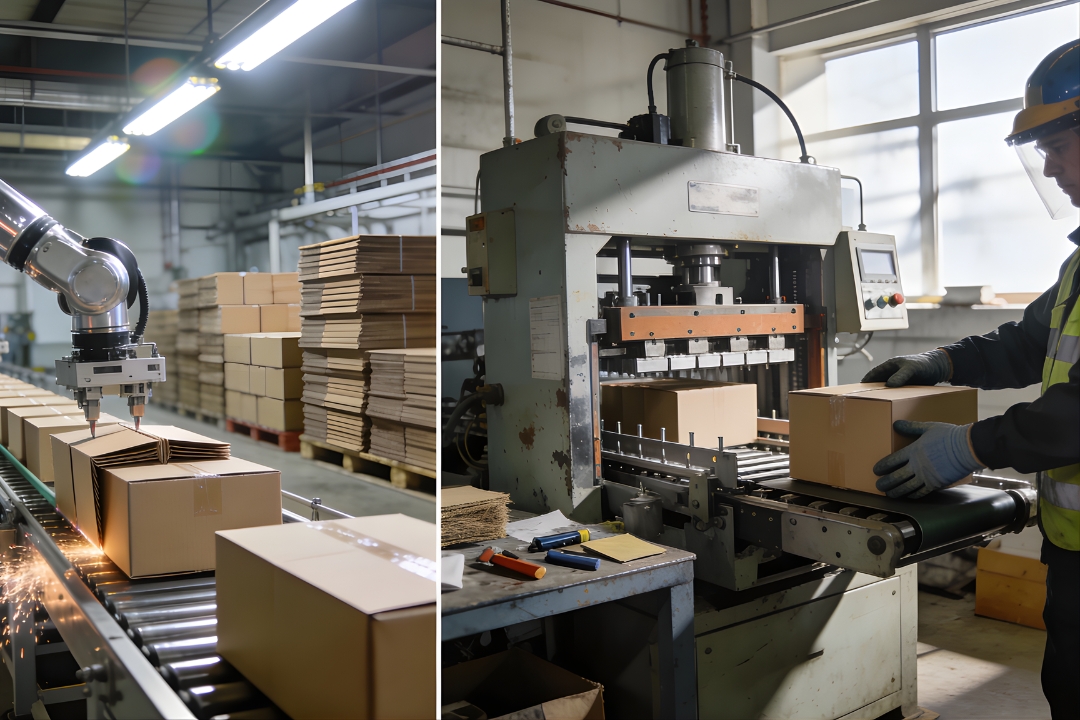
Essential Maintenance Tips to Extend the Life of Packaging Machines
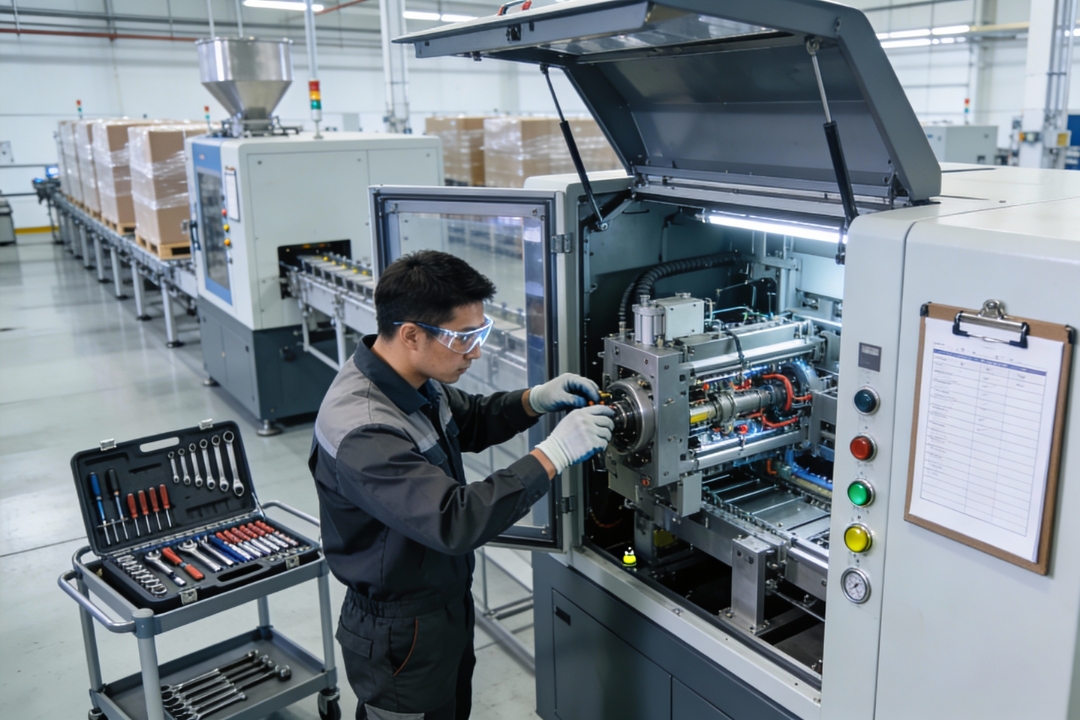
Packaging machines are very important in modern manufacturing, especially for making cartons, corrugated boxes, and post-printed materials. These machines directly affect productivity, output quality, and delivery times. They can do things like die cutting, folder gluing, lamination, and finishing. But even the best industrial packaging machines can break down or not work as well as they should if they aren’t properly maintained. A disciplined approach to maintenance not only reduces downtime but also extends machine life, makes them safer, and protects your investment. This guide offers useful maintenance tips based on real-world experience, designed for production environments. Packaging Machines Require Preventive, Not Reactive Maintenance One of the most expensive mistakes manufacturers make is waiting until something breaks down before doing something. The goal of preventive maintenance is to find problems before they cause operational issues. Unplanned stoppages often lead to: Missed delivery commitments Increased scrap and rework Higher repair and replacement costs Preventive maintenance keeps packaging machines running smoothly and helps maintenance teams plan downtime, rather than dealing with emergencies. Follow a Structured Daily, Weekly, and Monthly Maintenance Routine A well-defined maintenance schedule ensures nothing is overlooked and responsibilities are clear. Daily checks should include: Look for any loose parts or unusual noises during your inspection. Clean away dust, paper fibers, and any sticky residue you find. Check that lubrication levels are where they should be. Weekly tasks may involve: Check the belts and chains, and make sure the feeder is properly aligned. Clean the glue systems and sensors thoroughly. Test all safety mechanisms to ensure they work correctly. Monthly inspections should focus on: Electrical connections and control panels. Inspect wear parts, including rollers and bearings. Perform calibration and alignment checks. Documenting these actions helps identify recurring issues and supports compliance audits. Keep Machines Clean to Avoid Hidden Wear and Failures Many people overlook the importance of cleanliness in industrial packaging. When debris builds up, it can accelerate equipment wear and reduce accuracy. Regular cleaning is especially important for: Dust affects the accuracy of cutting on die-cutting machines. Glue buildup on folder gluers can affect bond quality. Lamination machines, where leftover material can hurt rollers. A clean machine runs more smoothly, uses less energy, and maintains the quality of its output. Use Manufacturer-Recommended Spare Parts and Lubricants Using spare parts that don’t fit or aren’t of good quality may seem like a good idea, but they often make things break down faster and put your safety at risk. Best practices include: Using genuine or manufacturer-approved spare parts Following recommended lubrication types and intervals Replacing worn components before they fail completely This method keeps important parts safe and makes sure that your packaging machines work as they should. Train Operators to Identify Early Warning Signs Operators work with machines every day and are often the first to notice small changes. With the right training, they become a powerful tool for prevention. Common early warning signs include: Unusual noise or vibration Inconsistent feeding or alignment Glue application irregularities Sensor errors or repeated stoppages When operators report problems right away, small issues can be fixed before they become bigger. Schedule Professional Servicing and Machine Health Audits Professional inspections add significant value, even when companies have strong practices in place. Technicians with experience can spot problems that daily operators can’t. Professional servicing typically covers: Precision calibration and alignment Performance benchmarking Software and control system checks Periodic checks of machine health help determine whether parts need to be repaired, replaced, or upgraded, which can extend the life of the equipment as a whole. Environmental Conditions Matter More Than You Think Packaging machines are highly sensitive to the conditions under which they operate. Bad conditions can shorten parts’ lifespans and make them less accurate. Key factors to control include: Temperature and humidity levels Stable electrical supply and grounding Floor vibration and adequate spacing Maintaining the right conditions protects electronics, mechanical parts, and the finished product’s quality. Digital Maintenance Tracking Improves Consistency Using digital logs and maintenance checklists helps people stay accountable and reduces the need to rely on memory. Benefits include: Automated reminders for servicing Clear maintenance history for audits Better coordination between teams Even basic digital tracking makes it much easier to keep up with preventive maintenance. Conclusion To make packaging machines last longer, you don’t need to do complicated things. You just need to be consistent, disciplined, and knowledgeable. Structured routines, trained operators, real parts, and professional servicing all work together to reduce downtime and improve reliability. Businesses get more work done, more predictable performance, and lower long-term costs when they view maintenance as a strategic investment rather than an operational burden. Well-maintained machines help build customer trust and drive long-term growth. Frequently Asked Questions How often should packaging machines be serviced? Most industrial packaging machines work better when they are checked daily, inspected weekly, and serviced by a professional every 3 to 6 months, depending on how much they are used. What is the most common cause of packaging machine breakdowns? Not doing preventive maintenance, allowing dust or glue residue to accumulate, and waiting too long to replace worn parts are all common causes of failure. Can regular maintenance really extend machine life? Yes. Consistent maintenance can add several productive years to a machine’s lifecycle while reducing repair costs and unplanned downtime.