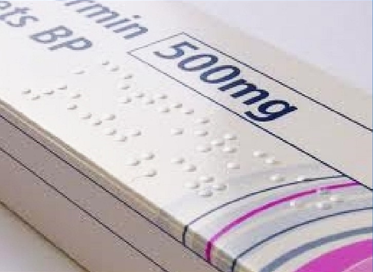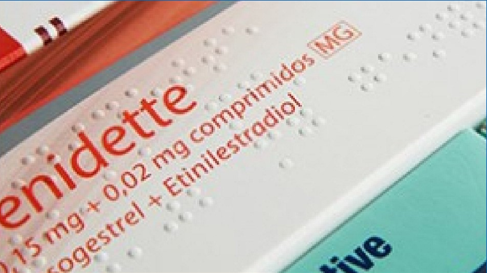
Live Demo :

ROBUS INDIA at CHINA PRINT 2025 | Discover how we enhance your packaging production with precision and efficiency! | Meet us at Booths: W2-007 (Dayuan), A3-522 (YCIA), E4-001/002 (Xinxing) | 15–19 May 2025 | China International Exhibition Center (Shunyi Hall), Beijing | info@robusindia.com | +91 81783 09461 | www.robusindia.com

Hot Foil Stamping vs Cold Foil Stamping: Which One Should You Use
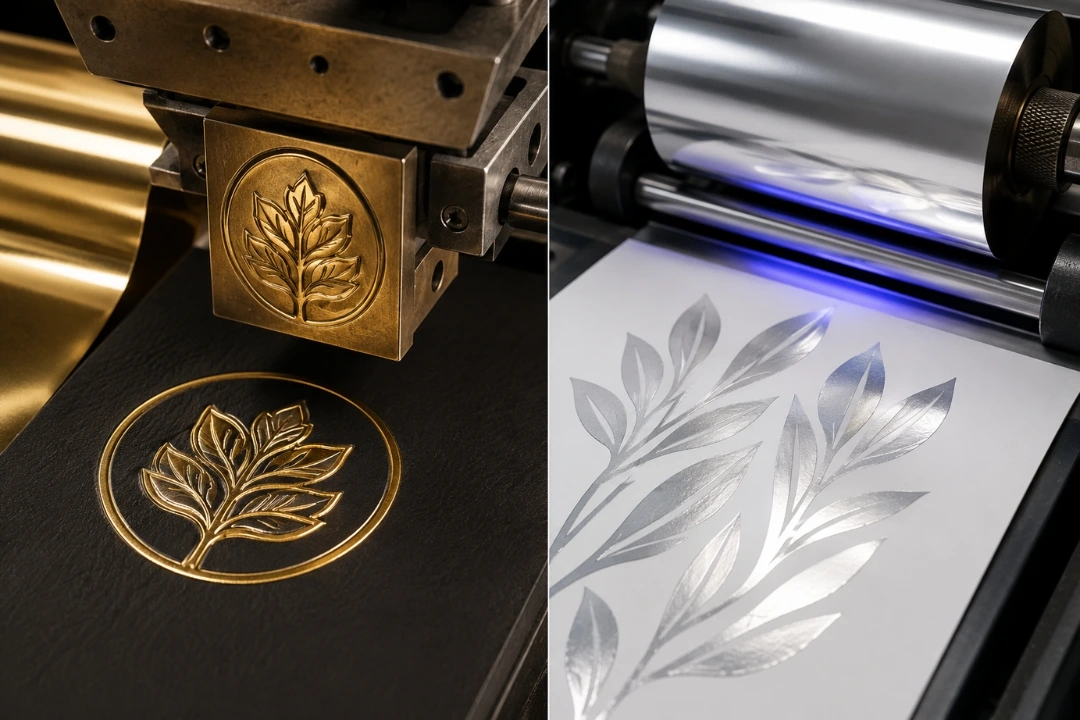
Hot foil stamping vs cold foil stamping comparison showing premium metallic foil finishing on packaging materials using hot die and cold foil processes

If someone just asked you to add a metallic finish to a box or label, you’ve probably run into this exact question. Hot foil stamping and cold foil stamping both put shiny, premium-looking foil on paper, board, or film. That’s where the similarity ends. The equipment, the cost structure, the run lengths, and the finish they leave behind are all different, and picking the wrong one can cost real money on a job. Here’s the short version: hot foil stamping uses a heated metal die and pressure to press foil into the substrate. Cold foil stamping uses UV-curable adhesive and a standard printing plate, with no heat and no die. Everything else in this article explains why that one difference changes almost everything about when to use each.   What Is Hot Foil Stamping? Hot foil stamping is the older of the two processes, and it’s still the standard for luxury cartons, cosmetics boxes, and premium retail packaging. A custom die, engraved with your design, gets heated and pressed onto the foil and the sheet at the same time. The heat melts a bonding layer on the foil, the pressure seats it into the substrate, and you’re left with a crisp, embossed-looking impression. Because the die physically presses into the material, hot foil gives you real depth. You can combine it with embossing in a single pass, get sharp edges on fine text and logos, and produce a finish that holds up to handling, scuffing, and shipping. That’s why it’s the go-to choice for folding cartons in FMCG, pharma, and cosmetics packaging, where the box itself is part of the brand experience. The tradeoff is setup. Every new design needs its own die, and cutting that die takes time and money. Changeover between jobs can run anywhere from half an hour to several hours depending on the machine and the complexity of the design. For a short run of a few hundred units, that setup cost gets spread thin. For a long run of tens of thousands of cartons, it barely matters.   What Is Cold Foil Stamping? Cold foil stamping skips the die entirely. A UV-curable adhesive is printed onto the substrate using a standard offset or flexo plate, in whatever pattern the design calls for. A roll of foil is pressed onto that wet adhesive, and the assembly passes under UV light, which cures the adhesive almost instantly. The foil sticks only where the adhesive was applied, and the rest peels away. Because it runs inline on a printing press, cold foil doesn’t need a separate machine pass. Ink, foil, and varnish can all go down in the same run, which is a real advantage when you’re printing thousands of labels or cartons back to back. Changeovers are also faster since there’s no die to swap, just a plate change like any other print job. The catch is durability and substrate range. Since the foil sits on top of the adhesive rather than being pressed into the material, it’s more prone to scuffing on rough handling, and it doesn’t perform as well on uncoated or highly absorbent stocks, which soak up the adhesive unevenly and leave patchy foil coverage. Cold foil also can’t replicate the embossed, tactile depth that a hot foil die gives you.   Hot Foil vs Cold Foil: Side-by-Side Comparison Factor Hot Foil Stamping Cold Foil Stamping Process Heated die + pressure UV adhesive + standard plate Tooling needed Custom die per design No die, standard plate Best for Short to long runs, premium finish Very large, high-speed runs Setup/changeover time 30 minutes to several hours Minutes, plate change only Substrate range Works well across most stocks Struggles with uncoated, absorbent stocks Embossing/depth Yes, in the same pass No, flat finish Durability High, foil is pressed into the material Moderate, foil sits on the surface Multiple foil colors Separate die/pass per color Can vary by section in one pass Typical use case Folding cartons, rigid boxes, luxury retail packaging High-volume labels, some flexible packaging So Which One Should You Actually Use? It comes down to three questions: how many units are you running, what’s the substrate, and how much depth do you need in the finish. If you’re producing folding cartons or rigid boxes for cosmetics, pharma, or premium FMCG brands, hot foil stamping is almost always the better call. Brand owners in these categories want that embossed, high-shine look on the shelf, and the durability matters when cartons go through transport and handling before they ever reach a customer. The die cost is a one-time investment that pays off across the production run, and for a repeat order, the die is already made. If you’re running high volumes of labels where the design changes often, or you need inline efficiency because you’re already printing ink and varnish in the same pass, cold foil earns its place. It’s harder to justify for one-off luxury cartons, but it makes sense for beverage labels, promotional packaging, or anything printed at speed where a flat metallic shine is good enough. A lot of converters actually run both, choosing per job rather than committing to one technology across the board.   Where Robus India Fits In Robus India builds automatic hot foil stamping machines for the folding carton and corrugated packaging industry, including the Excellence, Performance, and Confidence series. These machines use heated engraved dies to apply foil with the pressure and precision that premium packaging brands expect, and they’re built for the FMCG, cosmetics, pharmaceutical, and electronics packaging segments where a durable, high-end finish is non-negotiable. If your production line is weighing hot foil against cold foil and you’ve landed on hot foil for durability or shelf appeal reasons, it’s worth looking at what a dedicated automatic hot foil stamper can do for your changeover times and output consistency compared to older equipment.   Frequently Asked Questions Is hot foil stamping more expensive than cold foil?  Per unit, hot foil usually costs more on short runs because … Read more
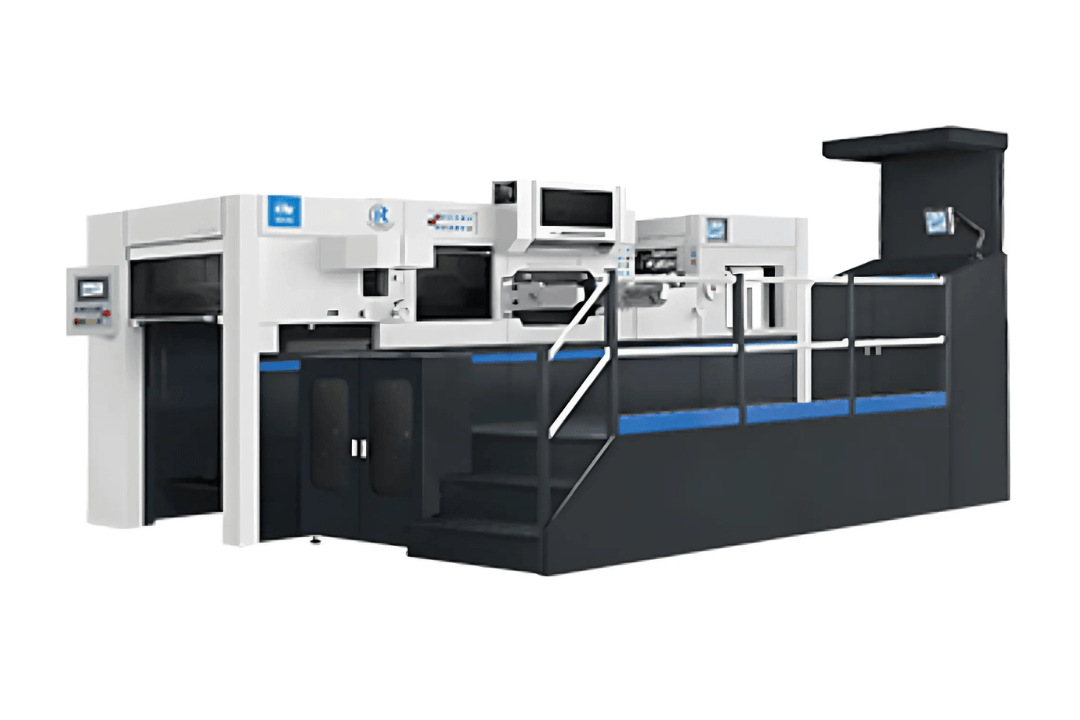
Guide to Operating Hot Foil Stamping Machine Safely

Guide to Operating Hot Foil Stamping Machine Safely

Introduction Hot foil stamping is a specialized printing process that uses heat, pressure, and metallic foil to create eye-catching designs on a variety of materials. From luxury packaging and greeting cards to book covers and business cards, this technique adds a premium finish that enhances brand identity and consumer appeal. However, operating a hot foil stamping machine involves certain safety protocols that must be strictly followed. These machines use heated dies, moving parts, and high-pressure systems, making it vital to prioritize operator safety during every production run. Understanding how to operate these machines safely not only protects workers from injury but also ensures consistent, high-quality output. Whether you are a beginner or a seasoned print technician, mastering safe operational practices can lead to greater efficiency, reduced downtime, and a secure work environment. What Is a Hot Foil Stamping Machine? A hot foil stamping machine transfers metallic or pigmented foil onto a surface using heat and pressure. The machine uses engraved metal dies that are heated and pressed onto the foil and substrate to create an imprint. These machines are commonly used in the packaging, stationery, cosmetics, and publishing industries for their ability to produce reflective, embossed designs that capture attention. Modern hot foil stamping machines are available in manual, semi-automatic, and fully automatic models. Regardless of the type, all machines involve heated components, moving parts, and mechanical systems that require careful handling. Importance of Safety in Foil Stamping Operations The core components of foil stamping—heat, pressure, and sharp dies—can pose serious risks if not managed properly. Operators can suffer from burns, pinch injuries, or repetitive strain injuries if safety protocols are overlooked. Additionally, incorrect operation can damage materials, cause production delays, or even lead to machine failure. Maintaining a strong safety culture ensures long-term operational success. It reduces the likelihood of accidents, improves employee morale, and complies with workplace safety regulations. Proper training and ongoing awareness are key to ensuring safe and efficient foil stamping processes. Preparing for Safe Operation Before turning on any hot foil stamping machine, it’s essential to conduct thorough checks. Start by reading the manufacturer’s manual carefully and understanding the machine’s components. Ensure that the machine is placed on a stable, level surface with adequate ventilation to prevent overheating. Operators should wear appropriate personal protective equipment (PPE), such as heat-resistant gloves, safety goggles, and close-fitting clothing. Loose items like scarves or jewelry should be avoided to prevent entanglement. Inspect the machine’s electrical connections, temperature controls, and emergency stop mechanisms. Faulty wires or unresponsive buttons can increase risks and should be reported immediately. A clear, clutter-free workspace also reduces tripping and interference hazards during operation. Loading Foil and Materials Safely When loading foil rolls or substrate materials into the machine, ensure the power is turned off or the emergency stop is activated. This step prevents accidental movement of rollers or dies. Align the foil and material accurately to avoid slippage or misprints during stamping. Tension controls must be set correctly to ensure smooth foil feeding. Incorrect tension can cause jamming or tearing, leading to both operational delays and safety concerns. Always keep hands clear of rollers and feeding mechanisms while making adjustments. Use guiding tools or feeding levers wherever provided instead of hands to reduce the risk of pinch injuries. For automatic machines, confirm that sensors and guides are functioning properly before initiating the stamping process. Operating the Machine with Precision Once the machine is set and all safety checks are complete, the operator can begin the stamping cycle. Set the appropriate temperature and pressure according to the foil type and material thickness. Excessive heat can cause burns or equipment damage, while insufficient pressure results in incomplete designs. Start with test runs on sample materials to calibrate alignment and depth. This step ensures the quality of the imprint and avoids wastage. Monitor the process closely and never reach inside the machine while it is operating. Use control panels or foot pedals instead of manual intervention during operation. Most machines come with programmable settings for repeat tasks, which also reduce the need for physical handling and increase safety. Regular Maintenance and Cleaning Routine maintenance is crucial for keeping foil stamping machines in safe working condition. Machines should be cleaned regularly to remove debris, foil residue, and dust buildup. Accumulated waste can obstruct moving parts and pose fire hazards near heated components. Before performing any maintenance, turn off the power supply and allow the machine to cool completely. Use non-abrasive cleaning tools and avoid water near electrical components. Check die heads, heating plates, and rollers for signs of wear or misalignment. Replace worn-out parts promptly using manufacturer-recommended components. Lubricate gears and joints periodically to ensure smooth movement and reduce mechanical strain. Document all maintenance activities for accountability and compliance. Safety Training for Operators Investing in training programs is one of the most effective ways to prevent workplace injuries. Operators should be trained in machine setup, calibration, emergency response, and safety practices. Training should include hands-on sessions and assessments to validate understanding. Refresher courses help reinforce safety awareness, especially when new employees are hired or when operating different machine models. Encourage an open culture where operators can report issues or suggest safety improvements without hesitation. Display safety guidelines and emergency procedures near each machine. Clear visual aids and signage help reinforce safe behaviors and serve as quick references in case of emergencies. Common Hazards and How to Avoid Them Burns are the most common injury associated with hot foil stamping machines. Avoid touching heated surfaces and use thermal gloves when handling dies or foil near the heating element. Accidental activation of the stamping head can result in crush injuries, so always ensure the machine is idle when making manual adjustments. Electrical faults can occur due to poor grounding or worn-out wiring. Ensure regular inspection of cords and plugs. In case of sparks or overheating, turn off the machine and disconnect it from the power source immediately. Repetitive tasks can cause fatigue or musculoskeletal disorders. Operators should take scheduled breaks … Read more

Looking for a Braille Machine with Standard Marburg Medium?

Kindly fill out the form below to request more information.