
Live Demo :

ROBUS INDIA at CHINA PRINT 2025 | Discover how we enhance your packaging production with precision and efficiency! | Meet us at Booths: W2-007 (Dayuan), A3-522 (YCIA), E4-001/002 (Xinxing) | 15–19 May 2025 | China International Exhibition Center (Shunyi Hall), Beijing | [email protected] | +91 81783 09461 | www.robusindia.com

Essential Maintenance Tips to Extend the Life of Packaging Machines
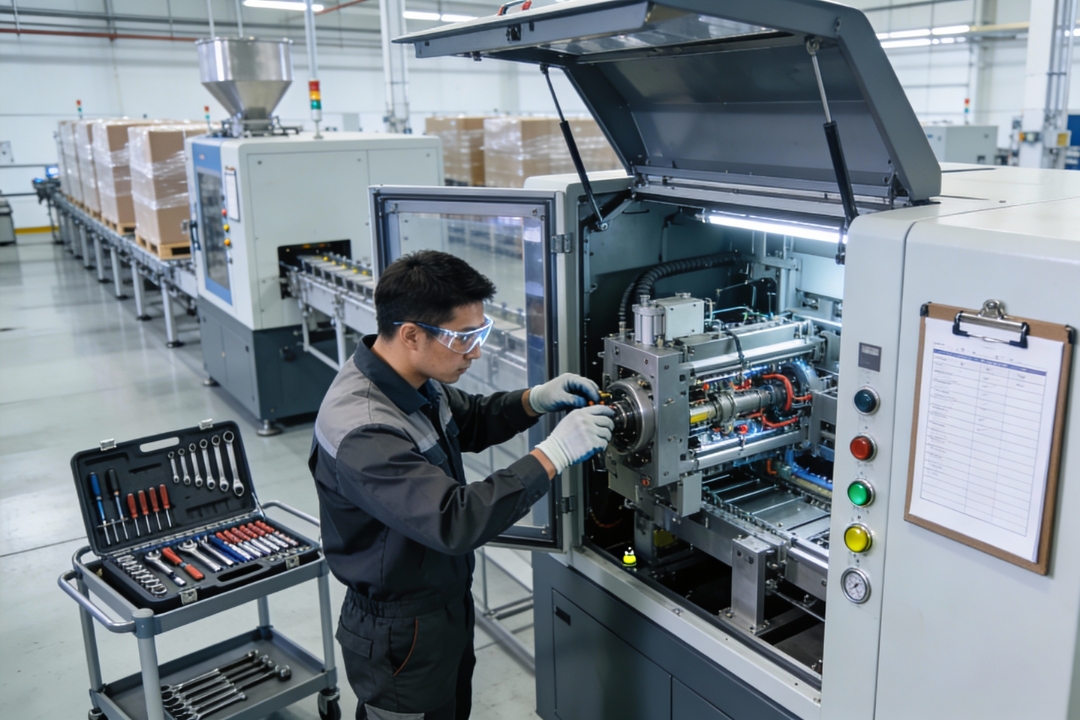
Packaging Machines

Packaging machines are very important in modern manufacturing, especially for making cartons, corrugated boxes, and post-printed materials. These machines directly affect productivity, output quality, and delivery times.  They can do things like die cutting, folder gluing, lamination, and finishing. But even the best industrial packaging machines can break down or not work as well as they should if they aren’t properly maintained.  A disciplined approach to maintenance not only reduces downtime but also extends machine life, makes them safer, and protects your investment. This guide offers useful maintenance tips based on real-world experience, designed for production environments.   Packaging Machines Require Preventive, Not Reactive Maintenance One of the most expensive mistakes manufacturers make is waiting until something breaks down before doing something. The goal of preventive maintenance is to find problems before they cause operational issues. Unplanned stoppages often lead to: Missed delivery commitments Increased scrap and rework Higher repair and replacement costs Preventive maintenance keeps packaging machines running smoothly and helps maintenance teams plan downtime, rather than dealing with emergencies.   Follow a Structured Daily, Weekly, and Monthly Maintenance Routine A well-defined maintenance schedule ensures nothing is overlooked and responsibilities are clear. Daily checks should include: Look for any loose parts or unusual noises during your inspection. Clean away dust, paper fibers, and any sticky residue you find. Check that lubrication levels are where they should be.   Weekly tasks may involve: Check the belts and chains, and make sure the feeder is properly aligned. Clean the glue systems and sensors thoroughly. Test all safety mechanisms to ensure they work correctly.   Monthly inspections should focus on: Electrical connections and control panels. Inspect wear parts, including rollers and bearings. Perform calibration and alignment checks. Documenting these actions helps identify recurring issues and supports compliance audits.   Keep Machines Clean to Avoid Hidden Wear and Failures Many people overlook the importance of cleanliness in industrial packaging. When debris builds up, it can accelerate equipment wear and reduce accuracy. Regular cleaning is especially important for: Dust affects the accuracy of cutting on die-cutting machines. Glue buildup on folder gluers can affect bond quality. Lamination machines, where leftover material can hurt rollers. A clean machine runs more smoothly, uses less energy, and maintains the quality of its output.   Use Manufacturer-Recommended Spare Parts and Lubricants Using spare parts that don’t fit or aren’t of good quality may seem like a good idea, but they often make things break down faster and put your safety at risk. Best practices include: Using genuine or manufacturer-approved spare parts Following recommended lubrication types and intervals Replacing worn components before they fail completely This method keeps important parts safe and makes sure that your packaging machines work as they should.   Train Operators to Identify Early Warning Signs Operators work with machines every day and are often the first to notice small changes. With the right training, they become a powerful tool for prevention. Common early warning signs include: Unusual noise or vibration Inconsistent feeding or alignment Glue application irregularities Sensor errors or repeated stoppages When operators report problems right away, small issues can be fixed before they become bigger.   Schedule Professional Servicing and Machine Health Audits Professional inspections add significant value, even when companies have strong practices in place. Technicians with experience can spot problems that daily operators can’t. Professional servicing typically covers: Precision calibration and alignment Performance benchmarking Software and control system checks Periodic checks of machine health help determine whether parts need to be repaired, replaced, or upgraded, which can extend the life of the equipment as a whole.   Environmental Conditions Matter More Than You Think Packaging machines are highly sensitive to the conditions under which they operate. Bad conditions can shorten parts’ lifespans and make them less accurate. Key factors to control include: Temperature and humidity levels Stable electrical supply and grounding Floor vibration and adequate spacing Maintaining the right conditions protects electronics, mechanical parts, and the finished product’s quality.   Digital Maintenance Tracking Improves Consistency Using digital logs and maintenance checklists helps people stay accountable and reduces the need to rely on memory. Benefits include: Automated reminders for servicing Clear maintenance history for audits Better coordination between teams Even basic digital tracking makes it much easier to keep up with preventive maintenance.   Conclusion To make packaging machines last longer, you don’t need to do complicated things. You just need to be consistent, disciplined, and knowledgeable. Structured routines, trained operators, real parts, and professional servicing all work together to reduce downtime and improve reliability.  Businesses get more work done, more predictable performance, and lower long-term costs when they view maintenance as a strategic investment rather than an operational burden. Well-maintained machines help build customer trust and drive long-term growth.   Frequently Asked Questions How often should packaging machines be serviced? Most industrial packaging machines work better when they are checked daily, inspected weekly, and serviced by a professional every 3 to 6 months, depending on how much they are used.   What is the most common cause of packaging machine breakdowns? Not doing preventive maintenance, allowing dust or glue residue to accumulate, and waiting too long to replace worn parts are all common causes of failure.   Can regular maintenance really extend machine life? Yes. Consistent maintenance can add several productive years to a machine’s lifecycle while reducing repair costs and unplanned downtime.
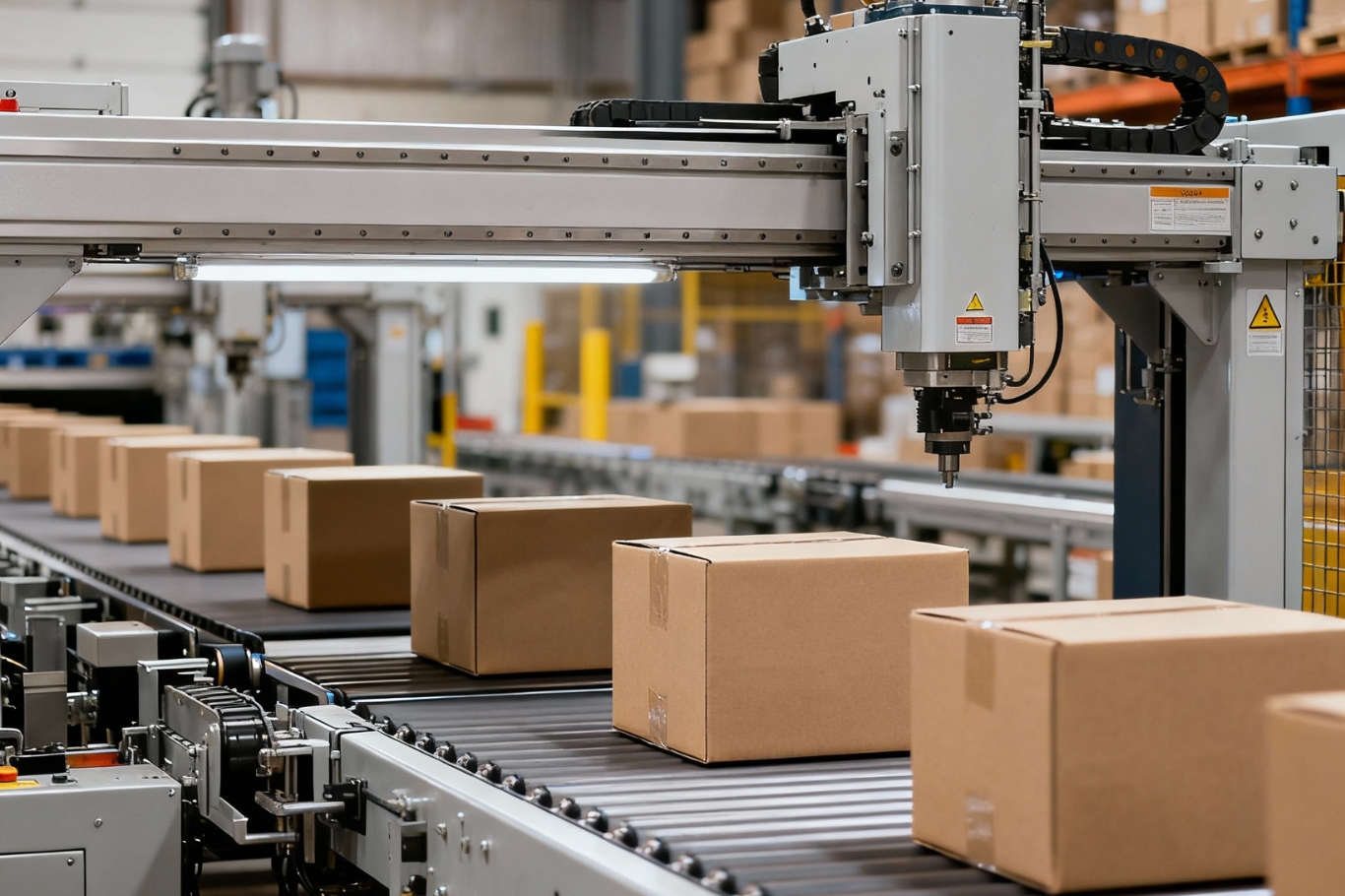
Role of Packaging in E-Commerce Growth – and How Machines Need to Adapt

E-Commerce Growth

In today’s fast-growing online retail world, e-commerce growth has made packaging more than just protection-it’s now a vital part of the customer experience. Packaging promotes branding, sustainability and loyalty, inspiring machines to become faster, smarter and more eco-friendly. The E-Commerce Boom and Packaging’s Growing Role The development of e-commerce has altered the way products are displayed, delivered and perceived. Packaging has become a key part of the purchase experience, both by the world-renowned Amazon and smaller D2C brands. E-commerce is so dependent on packaging to create that initial physical impression that unlike traditional retail where the product is displayed on shelves. The unboxing experience has been one of the most significant touchpoints – making packaging not a requirement but a promotional challenge. How Packaging Drives E-Commerce Success Packaging encompasses more than merely a shipping necessity-it has a direct effect on profitability, sustainability, and customer satisfaction. 1. Brand Identity and Experience An effective package is one that conveys brand values. Memorable experiences are created through colours, textures, and materials to strengthen the trust and quality. 2. Protection and Efficiency Goods have to endure a long-range delivery and several handling processes. Long lasting but light packaging is used to minimize the damages and transportation costs. 3. Unboxing as a Marketing Tool The significance of the presentation has been heightened by social media trends. A carefully curated unboxing experience has the potential to transform customers into advocates for the brand. 4. Sustainability and Loyalty Consumers who are environmentally friendly will choose brands that are recycled or biodegradable. Sustainable packaging can be used to minimize waste and also enhance brand loyalty. Challenges in E-Commerce Packaging As order volumes continue to rise and customer expectations grow, e-commerce packaging is encountering new challenges: Speed vs. Personalization: Orders are of different sizes and types, and require flexible and quick packaging solutions. Sustainability: It is still difficult to find a balance between material sustainability and environmental sustainability. Increased Logistics Costs: Inefficient packaging causes the shipping costs to rise. Returns Management: To manage returns wastefully, it is important to have flexible and reusable packaging systems. These challenges underline the need for smarter, automated, and more agile packaging technologies. How Packaging Machines Are Evolving To address these new challenges, packaging machines are increasingly being intelligent, versatile and connected than ever before.  It has stopped being volume-driven production and is now focused on dynamic production in the form of adaptive packaging lines to meet the needs of dynamic e-commerce. Automation & Robotics: Repetitive procedures, such as filling, labelling, and sealing, are now automated to provide more accuracy and speed. AI & Data Integration: AI can be used to streamline the utilization of materials, minimize waste, and anticipate maintenance requirements. Flexible Packaging Lines: Flexible machines can now change package sizes and formats without stopping, which makes it possible to customize. Connection with Digital Systems: Current packaging machines can be connected with the ERP and warehouse management systems to coordinate the work. This integration guarantees quicker order processing, reduced errors, and a smooth transition between online orders and physical fulfilment. Sustainability as a Key Innovation Driver Sustainability has emerged as a crucial element in the design of packaging machines. Manufacturers are concentrating on creating equipment that facilitates environmentally friendly packaging solutions. Recyclable and Biodegradable Materials: Machines now accept new-age green materials like paper based wraps, compostable films, and plant based plastics. Waste Minimization: Right-sizing technology, automated sealing, and precision cutting ensure the reduction of the material wastage. Energy Efficiency: Sophisticated systems use less energy and less carbon. Modular Design: Modifiable and upgradable machines prolong life and save on replacement expenses. As e-commerce companies strive for carbon-neutral operations, such innovations at the machine level become crucial. The Future: Smart, Data-Driven Packaging Lines Anticipating the future, e-commerce packaging is set to evolve through intelligent, interconnected systems driven by real-time data and machine learning. These sophisticated packaging lines are capable of: Automatically adjust package dimensions according to the product and order information. Utilize predictive maintenance to avert downtime and guarantee consistent production. Employ IoT sensors to monitor performance and energy consumption. Incorporate sustainability metrics to document carbon emissions and material utilization. Prominent companies such as Amazon and Alibaba are currently testing adaptive packaging systems that tailor materials to each order, thereby minimizing waste and lowering operational expenses. Conclusion Packaging has evolved from being merely an operational requirement to a strategic tool for growth in e-commerce. It influences customer perceptions, optimizes logistics, and embodies brand values.  As online retail continues to grow, the demand for packaging systems that are smarter, faster, and more environmentally friendly will only increase. The future is set for intelligent, sustainable, and adaptable packaging technologies-machines that can harmonize speed with accuracy, and sustainability with effectiveness.  In the competition to meet the needs of digital consumers, it is these advancements that will shape the forthcoming phase of e-commerce expansion.

Comparison: Indian vs International Standards for Packaging Machines & What Indian Buyers Should Know

packaging machines in india - robus india

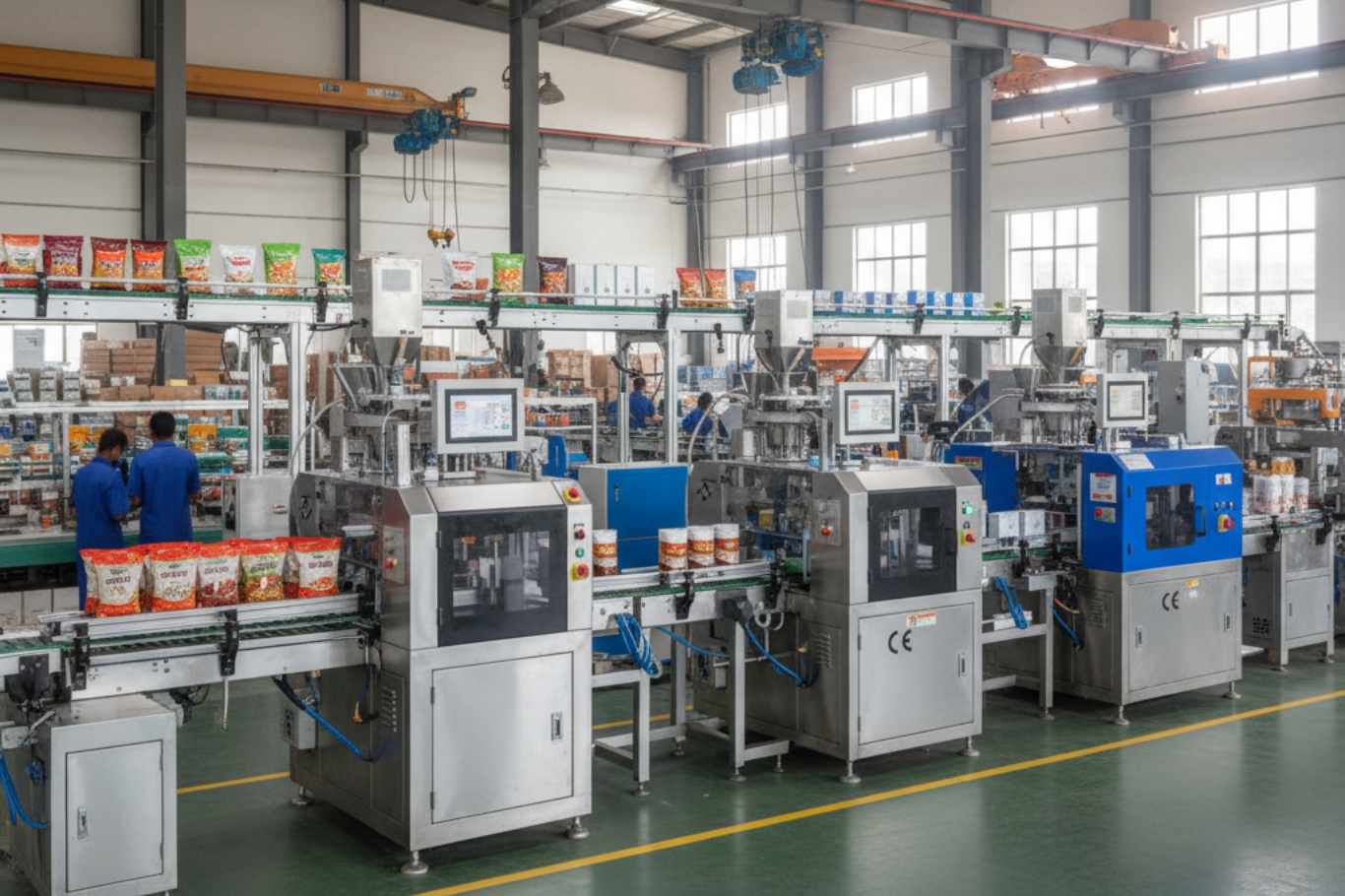
The Indian packaging industry is experiencing a high growth rate due to the presence of an increasing food, pharma, and FMCG industries.  With the increased investment by businesses in automation and export ready solutions, there has been a necessity to be knowledgeable about packaging machine requirements. Nevertheless, the Indian buyers are yet to be in a position to be confused between Indian and international standards when buying packaging machinery.  It can be a saving grace, and spare you money and trouble, as well as assure you of a world-standard in safety, hygiene, and reliability in your investment. What Do Packaging Machine Standards Mean? The standards of packaging machines stipulate the quality, safety and performance standards that a manufacturer must apply before selling his/her packaging machines in a particular market. These standards ensure: The machines are ergonomic and safe to use. Components comply with hygiene and quality (particularly in food and pharma). Machines are efficient in energy as well as environmental standards. Systems adhere to sound automation and technology standards. Globally, major certification bodies include: International Organization for Standardization (ISO). CE (Conformite Europeenne) European safety and performance mark. FDA – of food and pharmaceutical equipment applied in the U.S. GMP (Good Manufacturing Practices) BRCGS (British Retail Consortium Global Standards) In India, key standards come from: BIS (Bureau of Indian Standards) FSSAI (for food-grade packaging) ISO standards adopted under Indian regulations Key Differences: Indian vs International Standards Although the standards for Indian packaging machines are advancing, there remain discrepancies when compared to international compliance norms for packaging machinery. Here’s a breakdown of the main differences: Design and Safety International: CE-certified machinery adheres to stringent regulations in the EU Machinery Directive, which provides safety to the operator and emergency protection. Indian: The BIS certification is more oriented towards basic operational safety, and less about the design ergonomics checks being mandatory. Material and Build Quality International: Food and pharma machines usually need stainless steel of 304 or 316 grade, which is in compliance with hygienic standards such as FDA or GMP. Indian: There are still machines that are made of lower grade materials to save on cost and this affects durability and cleanliness. Automation and Technology International packaging equipment combines smart control with IoT, sensors, and PLCs. Indian machines are getting better though lots of them still use a manual or semi-automatic system. Energy Efficiency and Sustainability EU and ISO standards impose energy efficient designs and environmental friendly components. Such norms are not compulsory in India but there is an increasing awareness. Testing and Certification International: Machines are audited and checked by third parties to have CE or ISO marks. Indian: The certification is usually by self-declaration or local authority testing that is restricted. Why International Standards Matter for Indian Buyers When Indian buyers choose machines that meet international packaging machine standards, they gain multiple advantages: Increased reliability and increased machine life. Adherence to export packaging regulations. Less down time and maintenance. Greater operator protection. Better brand image and customer confidence. For companies looking to export packaged products, utilizing machinery that is CE-certified or ISO-compliant guarantees worldwide recognition and helps to circumvent regulatory obstacles. Common Challenges for Indian Buyers Despite the benefits, many Indian buyers face these common problems: Price sensitivity: More affordable machines frequently overlook essential certifications. Misleading claims: Certain vendors promote machines as “CE-like” or “ISO-inspired” that lack true certification. Verification issues: Purchasers might be unaware of how to verify legitimate documentation or audit findings. How to Choose the Right Packaging Machine To ensure you make a smart purchase, keep these points in mind: Request authentic certification documents such as CE, ISO, GMP, or BIS. Evaluate the total lifecycle cost rather than focusing solely on the initial price. Collaborate with reputable manufacturers that adhere to global GMP and CE standards. Obtain third-party testing or inspection reports prior to concluding the agreement. Comprehend the market for your product – when exporting, ensure compliance with international packaging standards. India’s Move Toward Global Benchmarking Through initiatives such as Make in India and the Quality Council of India (QCI), domestic manufacturers are progressively aligning their operations with global standards.  An increasing number of Indian firms are now implementing hybrid systems that comply with both BIS and CE regulations, particularly those targeting international markets. The growth in exports and global partnerships is driving Indian packaging machinery manufacturers to embrace ISO and GMP compliance, signifying a favorable transition towards high-quality packaging equipment on a global scale. Conclusion For Indian consumers, grasping the distinction between domestic and international standards is now essential – it represents a competitive edge. Equipment that meets ISO, CE, and GMP standards may require a higher initial investment, yet they provide enhanced reliability, safety, and long-term benefits.  As the packaging sector in India progresses, conforming to global compliance standards for packaging machinery will not only elevate product quality but also bolster India’s standing as a premier manufacturing centre.

Looking for a Braille Machine with Standard Marburg Medium?

Kindly fill out the form below to request more information.