Custom Cardboard Boxes: Why Businesses Are Choosing Sustainable Packaging Solutions
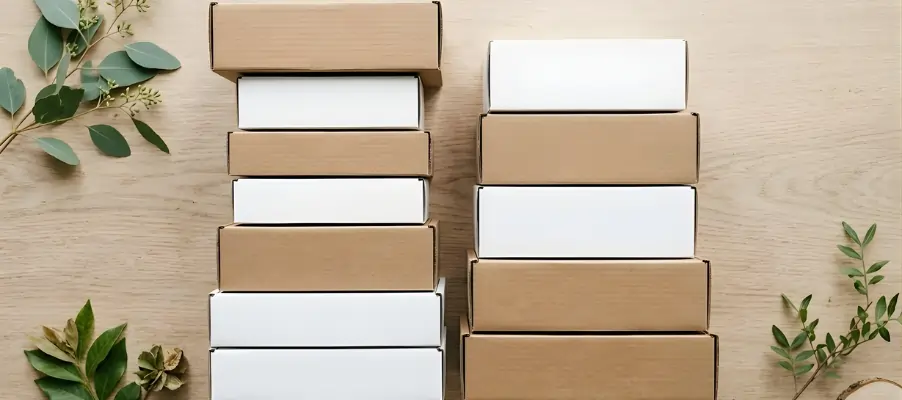
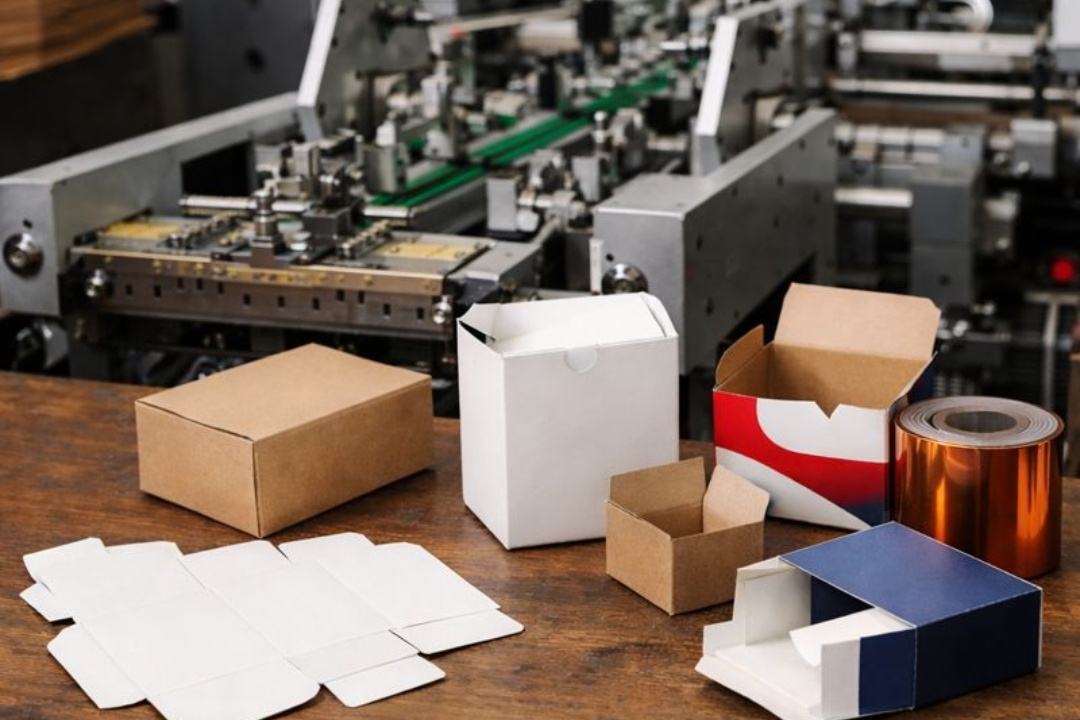
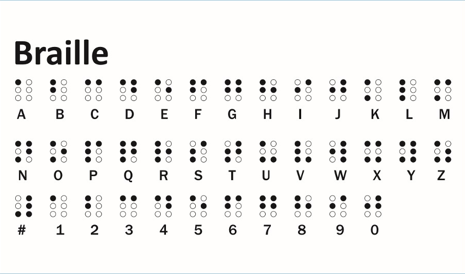
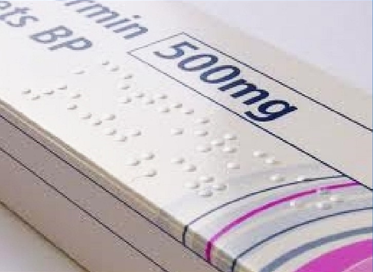
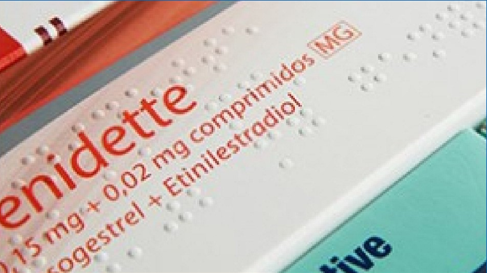
Custom cardboard boxes have quietly become one of the most practical decisions a business can make – not just for packaging, but for how a brand is perceived. As consumers grow more aware of waste and environmental impact, companies across industries are rethinking how their products reach people. Sustainable packaging is no longer a niche preference. It has become a real business consideration, affecting purchasing decisions, operational costs, and brand trust. What Are Custom Cardboard Boxes? Custom cardboard boxes are packaging solutions tailored to a specific product’s shape, size, and branding needs. Unlike standard off-the-shelf options, they are designed with a particular business in mind – from the structural build to the printed finish. They typically come in three forms: Folding cartons – Lightweight, commonly used in retail and food packaging. Corrugated cardboard boxes – Sturdier, suitable for shipping and e-commerce. Rigid boxes – Premium-feel packaging used in the luxury and gifting segments. All three can be made from recyclable or biodegradable materials, which makes them a natural fit for businesses looking to reduce their environmental footprint without compromising quality. Why Businesses Are Moving Toward Sustainable Packaging The shift is not happening overnight, but it is clearly picking up pace. A few key factors are driving this change across sectors: Consumer expectations have changed – Buyers today are more likely to support brands that show environmental responsibility. Regulatory pressure is increasing – Packaging norms in India and globally are pushing manufacturers toward greener alternatives. Cost savings over time – Eco-friendly cardboard packaging is lighter, which directly reduces shipping expenses. Recyclability – Cardboard breaks down more cleanly than plastic, reducing the overall carbon footprint of a product’s lifecycle. Brand perception – Sustainable packaging signals quality and responsibility, two things that matter to modern buyers. For businesses in India, particularly, where the packaging industry is growing fast, this shift also opens up export opportunities – since international buyers often require sustainable packaging compliance. Key Benefits of Using Custom Cardboard Packaging Beyond sustainability, there are several practical reasons why businesses across industries are making the switch. Brand Customization: Custom packaging gives brands full control over how their product looks – from logo placement to finishing techniques like hot foil stamping, lamination, and embossing. This directly impacts shelf appeal and the unboxing experience. Product Protection: A well-designed box protects the product during transit and storage. Corrugated layers and precise die-cut structures significantly reduce damage, returns, and wastage – something especially relevant for fragile goods. Versatility Across Industries: Custom cardboard works across pharma, food and beverage, FMCG, e-commerce, and retail – making it one of the most adaptable packaging formats available. Scalability: Whether a business is running small batches or high-volume production, cardboard packaging can scale without major changes in the production process. Modern automated machines make this even more efficient. How Packaging Machinery Makes Sustainable Production Possible Sustainable packaging is not just about the material – it is also about how efficiently that material is used. Modern packaging machinery plays a large role in reducing waste during the production process itself. Here is how different machines contribute: Folder gluer machines form boxes with precision, reducing misalignment and material wastage Die-cutting machines cut shapes accurately with minimal offcuts, making better use of each cardboard sheet Flute laminators produce corrugated packaging that is lightweight yet durable – using less raw material without compromising strength Braille embossing machines support pharmaceutical compliance, allowing pharma brands to use cardboard packaging that meets regulatory requirements The result is a leaner production process – one that produces less waste, uses materials more efficiently, and supports higher output volumes with consistent quality. Which Industries Are Seeing the Most Impact Custom cardboard packaging is finding strong use across a range of sectors: E-commerce and Q-commerce – Where packaging has to be sturdy, lightweight, and brand-consistent across thousands of daily shipments. Pharmaceuticals – Where Braille compliance and tamper-evident features are needed on folding cartons. Food and beverage – Where food-safe, printed cardboard packaging supports both hygiene and marketing requirements. FMCG and personal care – Where shelf appeal and compact packaging directly influence purchase decisions. Luxury retail and gifting – Where rigid boxes with premium finishes deliver a strong unboxing experience. What to Look for in a Custom Packaging Partner Choosing the right packaging partner matters more than most businesses initially realise. A few things worth considering: End-to-end support – From initial consultation and machine setup to regular after-sales service. Machinery that supports sustainable materials – Not all equipment handles recyclable or thinner cardboard well. Customization range – The ability to handle different finishes, sizes, and formats under one roof. Proven track record – Client references and installed machine numbers are a more reliable indicator than marketing claims. Technical expertise – Both in electrical and mechanical systems, so issues are resolved quickly with minimal downtime. Packaging as a Long-Term Business Decision The move toward sustainable custom cardboard packaging is not driven by trend alone. It is being pushed by real factors – consumer behaviour, supply chain efficiency, regulatory direction, and the economics of modern manufacturing. For businesses still relying on generic or plastic-heavy packaging, the window to make a cost-effective transition is still open – but it is narrowing. Eco-friendly cardboard packaging is becoming the baseline, not the exception. Whether you are a growing FMCG brand, a pharmaceutical company, or an e-commerce business scaling rapidly, investing in the right custom packaging solution today is one of the more straightforward ways to reduce costs, improve brand perception, and align with where the market is clearly heading.